

What is Tote Bag Quantitative Feeding for Powder Material Handling? And What is the Design Principle
Introduction to Tote Bag Quantitative Feeding for Powder Material Handling
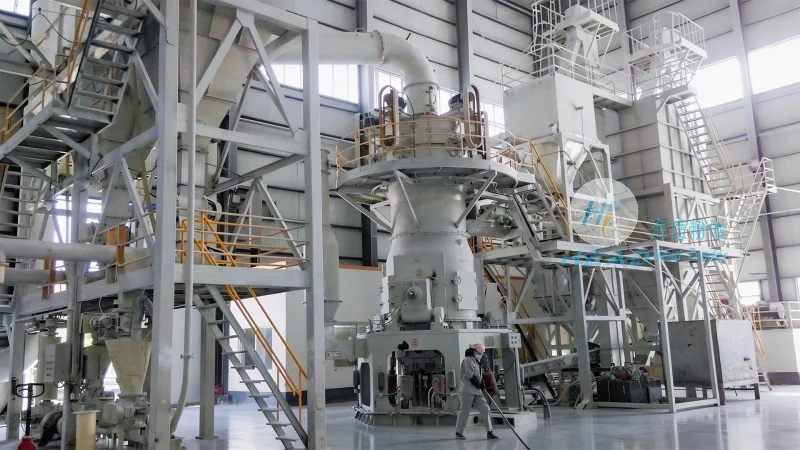
Tote bag quantitative feeding is a specialized method used in the handling and processing of bulk powders. This technology is crucial for industries that require precise and controlled feeding of materials, ensuring consistent quality and efficiency in production processes. The system involves the use of large, flexible tote bags that are filled with powder and then connected to a feeding mechanism that dispenses the material in measured quantities. This approach is particularly beneficial for applications where accuracy and reliability are paramount, such as in pharmaceutical manufacturing, food processing, and chemical production.
Understanding the Core Concept of Tote Bag Quantitative Feeding
At its essence, tote bag quantitative feeding is a process that integrates the storage, transfer, and precise measurement of bulk powders. The system operates by first loading a tote bag with the desired powder, which is then sealed and positioned under a feeding device. The feeding mechanism, often equipped with advanced sensors and control systems, measures the flow rate and volume of the material being discharged, ensuring that the exact amount required for the next stage of production is delivered. This method eliminates the need for manual handling and reduces the risk of material loss or contamination, which are common issues with traditional feeding methods.

Design Principles Behind Tote Bag Quantitative Feeding Systems
The design of tote bag quantitative feeding systems is based on several key principles aimed at achieving high accuracy and reliability. One of the primary principles is the use of a closed-loop control system, which continuously monitors the feeding process and adjusts the flow rate as needed to maintain the desired quantity. This system typically includes components such as a flow meter, a level sensor, and a control valve, all working in tandem to ensure precise dispensing. Another critical principle is the integration of the tote bag with the feeding equipment, which minimizes the space between the storage and the processing stage, reducing the time and effort required for material transfer. The design also emphasizes durability and ease of maintenance, as the system is expected to operate continuously over long periods.
Key Components and Their Functions in Tote Bag Feeding Systems

Several key components are essential for the effective operation of tote bag quantitative feeding systems. The first is the tote bag itself, which is made from high-quality, food-grade or industrial-grade materials to ensure compatibility with various powders and to prevent contamination. The bag is typically equipped with a discharge spout or valve that connects to the feeding mechanism. The feeding mechanism, often a rotary valve or a screw feeder, is responsible for controlling the flow of material from the tote bag. It is equipped with sensors that detect the level of material in the bag and adjust the feeding rate accordingly. The control system, which may include a PLC (Programmable Logic Controller) or a computer-based interface, manages the entire process, ensuring that the feeding rate matches the production requirements. Additionally, the system may include a dust collection system to handle any airborne particles, maintaining a clean and safe working environment.
Application Scenarios and Benefits of Tote Bag Quantitative Feeding

Tote bag quantitative feeding is widely used in various industries due to its versatility and efficiency. In the pharmaceutical industry, for example, it is used to feed active pharmaceutical ingredients (APIs) and excipients with high precision, ensuring that the final product meets strict quality standards. In the food industry, it is employed to handle ingredients like flour, sugar, and spices, where consistent quality is essential for product consistency. The chemical industry also benefits from this technology when handling raw materials such as pigments, catalysts, and other powders. The benefits of tote bag quantitative feeding include improved product quality, reduced material waste, increased production efficiency, and enhanced safety due to the closed system design. Additionally, the system reduces labor costs by automating the feeding process and minimizing the need for manual intervention.
About Shandong HeadPowder Engineering Co., Ltd.
Shandong HeadPowder Engineering Co., Ltd. is a leading manufacturer and supplier of advanced powder handling solutions, including tote bag quantitative feeding systems. With a strong focus on innovation and quality, the company has established itself as a trusted partner for industries requiring reliable and efficient material handling. HeadPowder's products are designed to meet the specific needs of various applications, ensuring that customers receive tailored solutions that enhance their production processes. The company's headquarters is located in Shandong, China, where it operates a state-of-the-art manufacturing facility equipped with the latest technology and skilled personnel. HeadPowder is committed to providing high-quality products and excellent customer service, helping clients achieve their production goals with minimal downtime and maximum efficiency.