

What is Aluminum Dross Powder Conveying? What are the Design Principles?
Aluminum dross powder conveying is a critical process in the aluminum industry, involving the efficient transportation of aluminum dross—a byproduct of aluminum smelting and casting processes. This material, often containing residual aluminum and other metallic components, requires specialized handling to ensure safe and effective material movement. The design of aluminum dross powder conveying systems is tailored to address the unique challenges posed by this material, including its abrasive nature, variable moisture content, and potential for dust generation. Understanding the core principles behind these systems is essential for optimizing industrial operations and maintaining compliance with safety and environmental standards.

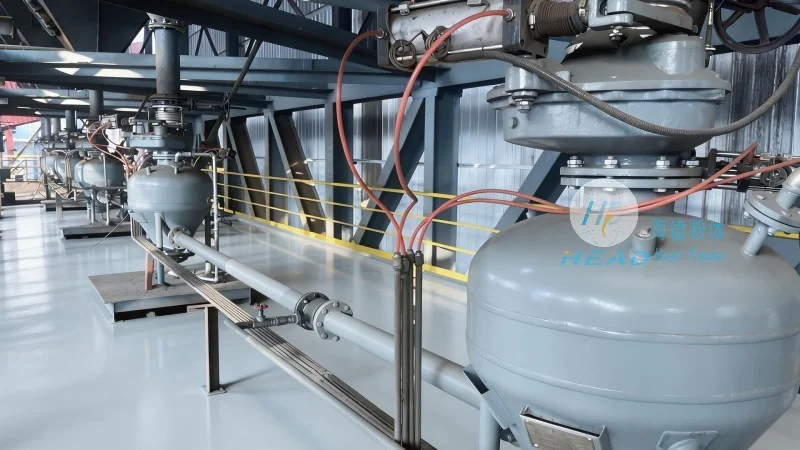
Key Design Principles for Aluminum Dross Powder Conveying
The design of aluminum dross powder conveying systems relies on several fundamental principles to ensure reliable performance. First, the system must accommodate the physical properties of aluminum dross, such as its particle size distribution, density, and flowability. This often involves the use of specialized equipment like screw conveyors, pneumatic conveyors, or bucket elevators, each chosen based on the specific characteristics of the material and the operational requirements. Second, the design emphasizes safety and environmental protection. Aluminum dross can be hazardous if not handled properly, so systems incorporate features like dust collection, explosion-proof components, and enclosed structures to minimize risks. Third, efficiency and energy conservation are critical considerations. The system should minimize material degradation, reduce downtime, and optimize power consumption to lower operational costs. Additionally, the design must account for the need for flexibility, allowing for adjustments in conveyor capacity or material flow as production needs change. Fourth, temperature management is a key consideration, as aluminum dross may be hot after processing. Systems are designed with heat-resistant materials and cooling mechanisms to prevent equipment damage and ensure safe operation. By integrating these principles, manufacturers can develop conveying systems that are both effective and sustainable.

Components and Technologies in Aluminum Dross Powder Conveying Systems
Modern aluminum dross powder conveying systems typically consist of several key components, each playing a vital role in the overall operation. The primary components include the material feed hopper, which stores and regulates the flow of aluminum dross into the conveyor. This hopper is often equipped with level sensors and feeding mechanisms to ensure consistent material input. The conveyor itself, such as a screw conveyor or pneumatic line, transports the material from the feed point to the discharge point. Screw conveyors are commonly used for horizontal or slight incline applications due to their ability to handle abrasive materials and maintain a continuous flow. Pneumatic conveyors, on the other hand, are ideal for vertical or long-distance transport, utilizing air pressure to move the material through a pipeline. The discharge system, which includes valves, chutes, and collection bins, ensures that the material is safely deposited at the desired location. Additionally, dust control systems, such as cyclones or baghouses, are integrated to capture and filter airborne particles, preventing contamination and ensuring compliance with environmental regulations. These components work in harmony to create a robust and reliable conveying system that meets the demands of aluminum dross handling. The use of advanced materials, like stainless steel or high-grade alloys, further enhances the durability and longevity of the equipment, reducing maintenance needs and extending service life.

Applications and Benefits of Aluminum Dross Powder Conveying
Aluminum dross powder conveying systems are widely used in various applications within the aluminum industry. One primary application is the recycling of aluminum dross, where the material is transported to a re-melting furnace for further processing. This process helps recover valuable aluminum and reduce waste, contributing to sustainability in the industry. Another application is the transport of dross to storage facilities or processing plants, where it can be further treated or sold as a secondary material. The benefits of these systems extend beyond just material movement; they also enhance operational efficiency by reducing manual handling, minimizing material loss, and improving overall process control. By automating the conveying process, manufacturers can achieve higher throughput, lower labor costs, and improved safety in the workplace. Furthermore, the use of advanced materials and design techniques in these systems helps extend equipment life and reduce maintenance requirements, leading to long-term cost savings. In summary, aluminum dross powder conveying systems are essential for optimizing aluminum production processes and supporting the industry's commitment to sustainability. The expertise of companies like Shandong HeadPowder Engineering Co., Ltd. in designing and implementing such systems ensures that clients receive tailored solutions that meet their specific operational needs and regulatory requirements.