

[COLUMN]Carbon Additive Powder Pneumatic Conveying Technology: In-Depth Analysis of Vacuum and Posit
Shandong HeadPowder Engineering Co., Ltd., commonly known as headpowder, is a leading enterprise based in Shandong, China, specializing in the research, development, and implementation of advanced pneumatic conveying systems for carbon additive powders. The company's core focus is on providing efficient, reliable, and environmentally friendly solutions for the transportation of carbon additives, which are critical components in various industrial processes such as steelmaking, foundry, and metallurgy.

Pneumatic Conveying Fundamentals: Vacuum vs. Positive Pressure Systems
Pneumatic conveying is a method of transporting bulk materials like carbon additive powders through a pipeline using air or gas. The two primary types of pneumatic conveying systems are vacuum (or suction) systems and positive pressure (or pressure) systems. Each system operates on distinct principles, offering unique advantages and limitations that make them suitable for different applications.
Vacuum (Suction) Pneumatic Conveying Systems
Vacuum conveying systems operate by creating a negative pressure within the conveying line, which draws the carbon additive powder from the source (e.g., a hopper or storage silo) and transports it to the destination. This method is particularly effective for long-distance or complex conveying routes, as it can handle materials with varying particle sizes and flow characteristics without the need for excessive pressure. One of the key benefits of vacuum systems is their relatively low energy consumption compared to positive pressure systems, making them more cost-effective for certain applications. However, vacuum systems typically have a limited maximum conveying distance, often ranging from 50 to 200 meters, depending on the system design and material properties.
Positive Pressure (Pressure) Pneumatic Conveying Systems
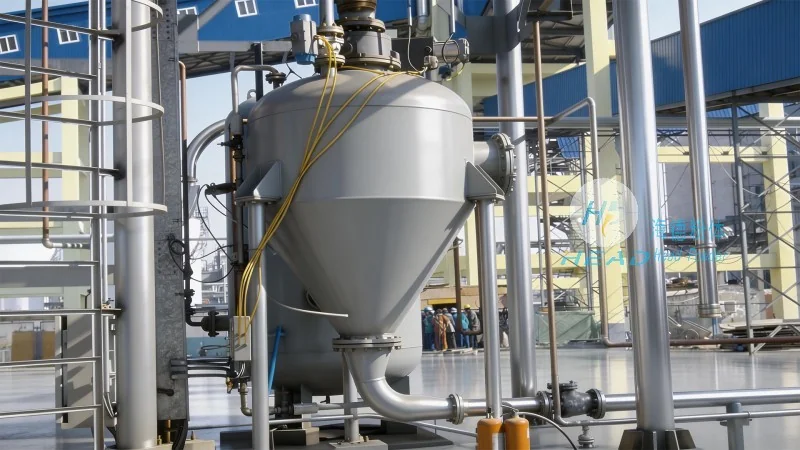
Positive pressure conveying systems, on the other hand, generate positive pressure within the pipeline by using a blower or fan to force air or gas through the material. The material is then carried along the pipeline by the moving air stream. This approach is ideal for short to medium-distance conveying, typically up to 100 meters or more, depending on the system configuration. Positive pressure systems are capable of handling higher material loads and can operate at higher pressures, which allows for faster and more efficient material transport. However, they generally consume more energy than vacuum systems and may generate more dust during operation, requiring additional filtration and dust control measures.
Key Considerations for Carbon Additive Powder Conveying
When selecting a pneumatic conveying system for carbon additive powders, several factors must be carefully evaluated to ensure optimal performance and system longevity. These include the particle size distribution, density, and flowability of the carbon additive, as well as the required conveying distance and throughput. The choice between vacuum and positive pressure systems often hinges on these factors, with vacuum systems preferred for longer distances and lower material loads, while positive pressure systems are more suitable for shorter distances and higher throughput requirements.
Customized Solutions by headpowder
headpowder offers tailored pneumatic conveying solutions that address the specific needs of clients in the carbon additive industry. The company’s engineers work closely with customers to assess their operational requirements, material characteristics, and site constraints to design a system that maximizes efficiency and minimizes operational costs. Solutions may include customized hopper designs to ensure proper material feeding, optimized pipeline layouts to minimize pressure losses, and advanced filtration systems to maintain air quality and comply with environmental regulations. By leveraging years of experience and cutting-edge technology, headpowder delivers systems that are not only effective but also durable and easy to maintain.

Application Examples in Industrial Settings
The effectiveness of pneumatic conveying systems for carbon additive powders is demonstrated in various industrial applications. For instance, in steelmaking plants, carbon additives are often delivered to the furnace via vacuum or positive pressure systems, ensuring precise dosing and minimizing environmental impact. In foundry operations, these systems are used to transport carbon powders to molding lines, where consistent material supply is critical for maintaining product quality. The ability of pneumatic conveying to handle fine powders without clogging or degradation makes it an indispensable technology in these industries.
Conclusion: Enhancing Efficiency with Advanced Pneumatic Conveying
In conclusion, the selection of an appropriate pneumatic conveying system—whether vacuum or positive pressure—for carbon additive powders is crucial for optimizing industrial processes. headpowder’s expertise in designing and implementing these systems ensures that clients receive solutions that are tailored to their specific needs, offering improved efficiency, reduced downtime, and enhanced environmental performance. By understanding the fundamental differences between vacuum and positive pressure systems and considering the unique characteristics of carbon additives, industries can leverage advanced pneumatic conveying technology to achieve better operational outcomes.