

[Detailed Explanation of Activated Carbon Powder Pneumatic Conveying Systems]
Activated carbon powder pneumatic conveying systems are critical components in various industrial processes, particularly in sectors that rely on efficient and reliable material handling for activated carbon. These systems enable the transport of fine powders like activated carbon from one location to another using air as the conveying medium. Understanding the design, operation, and benefits of such systems is essential for optimizing industrial operations and ensuring consistent performance.
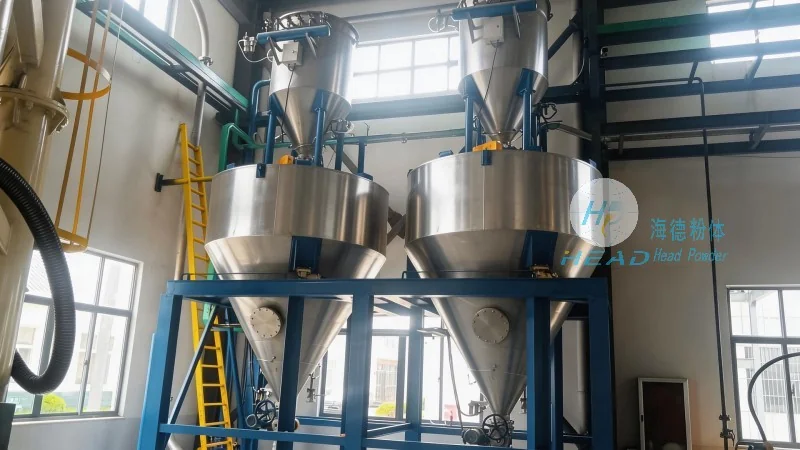
Introduction to Activated Carbon Powder Pneumatic Conveying Systems
Activated carbon, known for its high adsorption capacity and porous structure, is widely used in water treatment, air purification, and chemical processing. However, the handling of activated carbon powder presents unique challenges due to its fine particle size and tendency to agglomerate. Pneumatic conveying systems offer a solution by utilizing air pressure to move the powder through pipelines, eliminating the need for mechanical components that might cause contamination or damage to the material. This method ensures a clean, dust-free transfer while maintaining the integrity of the activated carbon particles.
About HeadPowder: A Leading Provider of Material Handling Solutions
HeadPowder, or Shandong HeadPowder Engineering Co., Ltd., is a prominent company based in Shandong, China, specializing in the design, manufacturing, and installation of advanced material handling systems. With a strong focus on quality and innovation, HeadPowder has established itself as a trusted partner for industries requiring efficient and reliable pneumatic conveying solutions. The company's expertise lies in customizing systems to meet specific operational requirements, ensuring optimal performance and minimal downtime.

Key Components of an Activated Carbon Powder Pneumatic Conveying System
The core components of an activated carbon powder pneumatic conveying system include the hopper, feeder, air compressor, conveying line, and receiver. The hopper stores the activated carbon powder and feeds it into the system. The feeder, typically a rotary valve or a screw feeder, controls the flow rate of the powder into the conveying line. The air compressor generates the necessary air pressure to move the powder through the pipeline. The conveying line, often made of stainless steel or other corrosion-resistant materials, transports the powder from the feeder to the receiver. The receiver collects the delivered activated carbon powder and may include a dust collection system to prevent particle loss.
Advantages of Using Pneumatic Conveying for Activated Carbon
Compared to traditional mechanical conveying methods, pneumatic conveying offers several advantages for activated carbon powder handling. Firstly, it provides a dust-free and clean transfer, which is crucial for maintaining the purity of the activated carbon, especially in applications like water treatment where contamination can affect performance. Secondly, the system is flexible and can handle varying flow rates and distances without significant changes to the infrastructure. Thirdly, it reduces the risk of material degradation due to friction or impact, preserving the adsorption capacity of the activated carbon. Additionally, pneumatic conveying systems are relatively easy to install and maintain, with fewer moving parts compared to mechanical systems, leading to lower operational costs and longer service life.

Application Examples and Operational Considerations
Activated carbon powder pneumatic conveying systems are commonly used in water treatment plants, where they transport activated carbon to filtration units. In chemical processing facilities, they move activated carbon for adsorption processes, such as removing impurities from liquids or gases. The systems are also employed in pharmaceutical and food industries, where the purity of activated carbon is critical. Operational considerations include selecting the appropriate air pressure and flow rate based on the particle size and density of the activated carbon, as well as ensuring proper filtration of the air to prevent dust accumulation in the system. Regular maintenance, such as cleaning the conveying line and replacing worn components, is essential to maintain system efficiency and prevent performance degradation.
Conclusion and Future Outlook
Activated carbon powder pneumatic conveying systems, as provided by HeadPowder, represent a reliable and efficient solution for industrial material handling. By leveraging advanced technology and custom design, these systems enhance operational efficiency, reduce costs, and ensure the consistent quality of activated carbon products. As industries continue to demand higher standards of material handling, the importance of such systems will only grow, making them a vital component in modern industrial processes.