

[Detailed Explanation of Regenerated Sand Pneumatic Conveying System]
HeadPowder, a leading engineering firm based in Shandong, China, specializes in the design, manufacturing, and implementation of advanced pneumatic conveying systems for industrial applications. This article provides a comprehensive overview of the regenerated sand pneumatic conveying system, highlighting its key features, operational principles, and practical benefits for modern manufacturing environments.

Introduction to Regenerated Sand Pneumatic Conveying Systems
The regenerated sand pneumatic conveying system is a critical piece of equipment used in industries such as foundries and casting operations. It is designed to efficiently transport sand, a key raw material in the production of metal castings, from storage silos or processing areas to the casting machines. The system leverages pneumatic technology to move the material through a network of pipes using compressed air, offering a dust-free and efficient alternative to traditional mechanical conveying methods.
Key Components of the System
The regenerated sand pneumatic conveying system consists of several essential components that work in tandem to ensure smooth operation. These include:
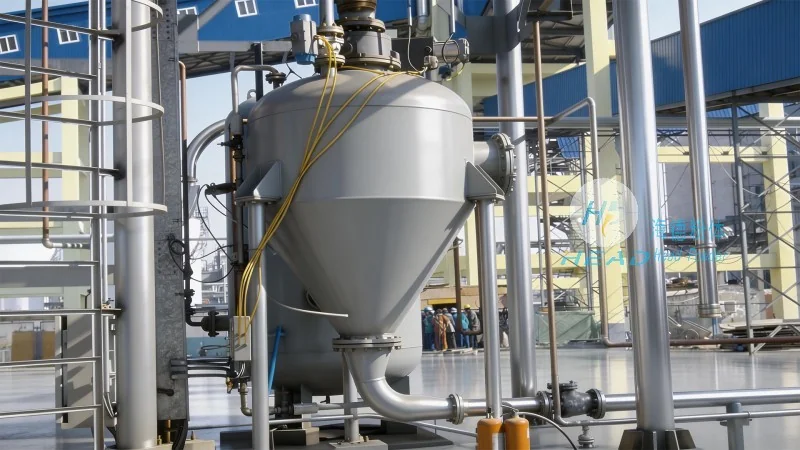
- Feed Hopper: A container that holds the regenerated sand and regulates the flow of material into the system.
- Rotary Valve: An air-tight device that controls the discharge of sand from the hopper, preventing air leakage and maintaining system pressure.
- Pneumatic Conveying Line: A network of stainless steel or plastic pipes that transport the sand from the feed point to the discharge point.
- Separation and Cleaning Unit: Equipment that separates the sand from the air stream and cleans the system to prevent clogging and maintain efficiency.
- Compressed Air System: A source of high-pressure air that propels the sand through the conveying line, typically including air compressors, filters, and regulators.
Operational Principles
The system operates on the principle of pneumatic transport, where compressed air is used to create a flow of air and material through the conveying line. The feed hopper releases sand into the rotary valve, which then introduces the material into the air stream. The air, carrying the sand particles, travels through the pipes to the discharge point, where the separation unit collects the sand and returns the air to the system for reuse. This closed-loop system minimizes material loss and reduces dust emissions, making it an environmentally friendly solution.
Advantages of the System
Implementing a regenerated sand pneumatic conveying system offers numerous advantages for industrial operations. Firstly, it provides a dust-free environment, which enhances workplace safety and reduces the risk of respiratory issues among workers. Secondly, the system is highly efficient, capable of transporting large volumes of sand over long distances with minimal energy consumption compared to mechanical systems. Additionally, it offers flexibility in terms of layout, as the conveying lines can be easily reconfigured to accommodate changes in production processes or facility expansions. The system also contributes to cost savings by reducing material handling time and minimizing waste through improved material recovery.

Applications in Industrial Settings
The regenerated sand pneumatic conveying system is widely used in various industrial settings, particularly in the foundry and casting industries. It is ideal for applications where sand needs to be transported from storage bins to molding machines, or from cleaning and recycling stations back to the production line. The system is also suitable for other industries that require the efficient handling of bulk materials, such as construction, agriculture, and chemical processing. Its adaptability makes it a versatile solution for a range of material handling challenges.

Technical Specifications and Customization Options
HeadPowder offers customized regenerated sand pneumatic conveying systems tailored to the specific needs of each client. Technical specifications can vary based on factors such as the volume of material to be conveyed, the distance between the feed and discharge points, and the required flow rate. Common specifications include conveying capacities ranging from 1 to 50 tons per hour, pipe diameters from 50 to 200 mm, and operating pressures from 0.5 to 1.0 MPa. The company provides options for different materials of construction, such as stainless steel for corrosion resistance or plastic for lightweight applications. Additionally, the system can be equipped with advanced control systems, including PLC (Programmable Logic Controller) integration, to enhance automation and monitoring capabilities.
Company Profile and Service Commitment
Shandong HeadPowder Engineering Co., Ltd., based in Shandong, China, is a reputable manufacturer and supplier of industrial pneumatic conveying systems. The company has a strong commitment to quality and innovation, with a team of experienced engineers and technicians dedicated to developing cutting-edge solutions for material handling challenges. HeadPowder adheres to international standards and provides comprehensive after-sales support, including installation, maintenance, and technical assistance. By partnering with HeadPowder, industries can benefit from reliable, efficient, and cost-effective solutions that enhance their operational performance and sustainability.