

Barite Powder Pneumatic Conveying: How to Efficiently Transport Bulk Powder with Air Flow?
Barite powder, a common industrial material used in various applications such as drilling fluids, paints, and plastics, often requires efficient handling and transportation. Pneumatic conveying offers a reliable solution for moving these fine powders from one location to another. This article explores the principles and applications of pneumatic conveying for barite powder, focusing on how to achieve high-efficiency transport using air flow.
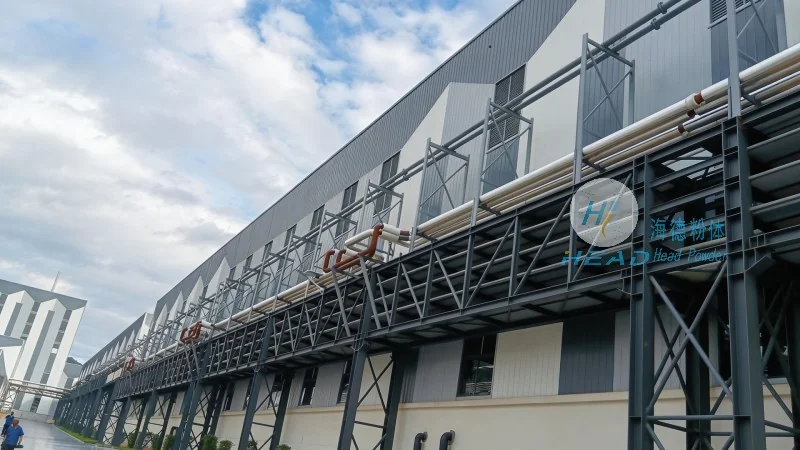
About HeadPowder Engineering
HeadPowder, or Shandong HeadPowder Engineering Co., Ltd., is a professional provider specializing in powder handling solutions. With operations based in Shandong, China, the company leverages advanced technology and expertise to deliver effective pneumatic conveying systems tailored to the needs of industries dealing with bulk powders like barite.
Key Features of Barite Powder Pneumatic Conveying Systems
Efficient barite powder pneumatic conveying systems are designed to handle the unique characteristics of barite, including its fine particle size and density. These systems typically utilize positive pressure or negative pressure methods to transport the powder through pipelines using air. The positive pressure system, where air is blown into the pipeline, is often preferred for barite powder due to its ability to handle long distances and multiple transfer points without significant pressure loss. The system components include a hopper for material storage, a feeder to control the flow rate, a conveyor pipeline, and a receiver for the discharged material. Advanced systems may also incorporate filters and dust collectors to ensure environmental compliance and product purity.

Benefits of Using Pneumatic Conveying for Barite Powder
Implementing pneumatic conveying for barite powder offers several advantages over traditional methods like belt conveyors or bucket elevators. One of the primary benefits is the ability to transport materials in a closed system, which minimizes dust exposure and improves workplace safety. This is particularly important for barite powder, which can be fine and potentially hazardous if released into the air. Additionally, pneumatic conveying allows for flexible and compact layouts, as the pipelines can be installed in various configurations without the need for large, open structures. The system also enables precise control over the flow rate, ensuring consistent material delivery to downstream processes. This control is crucial for maintaining product quality and preventing issues such as clogging or uneven distribution.

Operation and Maintenance Considerations
Proper operation and regular maintenance are essential for the long-term performance of barite powder pneumatic conveying systems. The system should be started with the air flow active before introducing the powder to prevent blockages. Regular cleaning of the pipeline and components is necessary to remove accumulated powder and prevent wear. Filters and dust collectors should be checked and replaced as needed to maintain air quality and system efficiency. Additionally, monitoring the pressure and flow rates during operation helps identify any issues early, allowing for timely adjustments or repairs. By following these guidelines, users can ensure the system operates at optimal efficiency and extends its service life.
Conclusion
Barite powder pneumatic conveying is a highly effective method for transporting bulk powders with air flow. By leveraging advanced technology and proper system design, industries can achieve efficient, safe, and reliable material handling. HeadPowder Engineering, with its expertise and facilities in Shandong, China, provides tailored solutions to meet the specific needs of barite powder applications, ensuring optimal performance and customer satisfaction.