

Application and Optimization of Pneumatic Conveying Technology in Colored Sand Conveying Design
Pneumatic conveying technology has emerged as a pivotal solution for material handling in various industrial sectors, particularly in the processing and transportation of colored sand. As a specialized engineering company, Shandong HeadPowder Engineering Co., Ltd. (HeadPowder) recognizes the unique challenges associated with transporting colored sand, such as its variable particle size, density, and the need for efficient, dust-free systems. This article explores the application and optimization of pneumatic conveying technology in the design of colored sand conveying systems, highlighting how advanced engineering approaches can enhance operational efficiency and product quality.
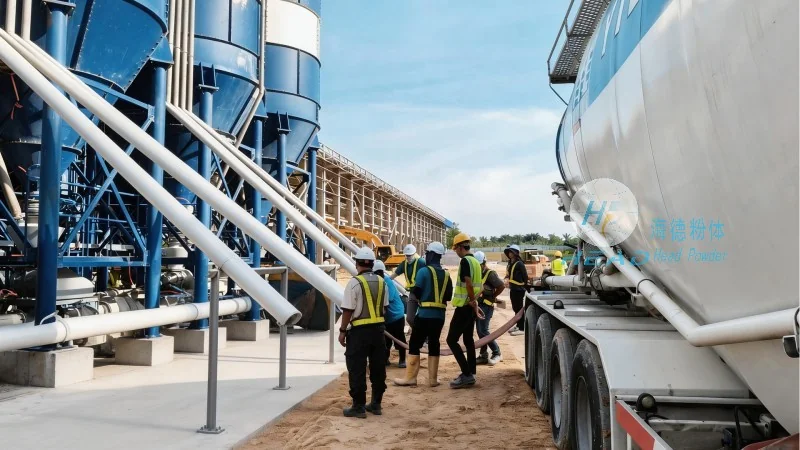
Key Challenges in Colored Sand Conveying and the Role of Pneumatic Systems
Colored sand, used extensively in construction, decorative applications, and industrial processes, presents distinct challenges for traditional conveying methods. These challenges include the potential for material degradation, high dust generation, and the need for precise control over particle flow. Pneumatic conveying systems offer a solution by utilizing air pressure to transport materials in a closed or semi-closed environment, minimizing contamination and ensuring consistent product integrity. HeadPowder specializes in designing customized pneumatic conveying solutions tailored to the specific characteristics of colored sand, addressing issues like particle segregation, clogging, and energy efficiency.
HeadPowder's Engineering Approach to Optimized Colored Sand Conveying
At Shandong HeadPowder Engineering Co., Ltd., the design of colored sand conveying systems involves a comprehensive approach that integrates advanced engineering principles with practical field experience. The company's team of experts conducts thorough material analysis to determine the optimal conveying velocity, pressure, and system configuration. This includes selecting the right type of pneumatic conveying equipment—such as dilute-phase or dense-phase systems—based on the sand's properties and the distance of transport. For instance, dilute-phase systems are ideal for long-distance, low-volume transport, while dense-phase systems provide better control over particle flow and are suitable for high-value or sensitive colored sand products.
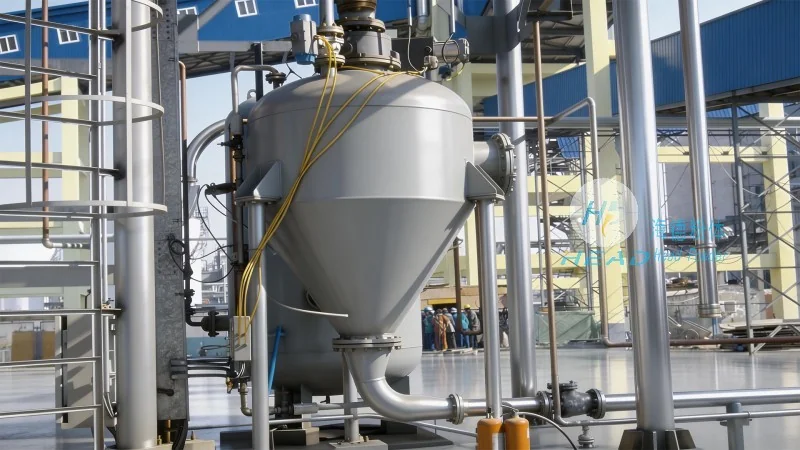
System Design and Component Optimization for Enhanced Performance
The success of a colored sand conveying system depends heavily on the integration of high-quality components and meticulous system design. HeadPowder emphasizes the use of durable materials, such as stainless steel and specialized coatings, to prevent corrosion and ensure longevity, especially in environments where colored sand may contain acidic or abrasive components. The company also optimizes system components, including airlocks, cyclones, and filter systems, to minimize downtime and maintenance costs. For example, advanced airlock designs reduce the risk of material bridging and ensure smooth material transfer, while efficient filtration systems maintain air quality and comply with environmental regulations.
Energy Efficiency and Environmental Considerations in Pneumatic Conveying
In today's industrial landscape, energy efficiency and environmental sustainability are critical factors in system design. HeadPowder incorporates energy-saving measures into its pneumatic conveying solutions, such as variable frequency drives (VFDs) to regulate air pressure and flow, reducing energy consumption without compromising performance. Additionally, the company prioritizes environmental compliance by implementing dust collection and filtration systems that meet local regulations. This approach not only reduces operational costs but also enhances the company's reputation as a responsible engineering partner in the colored sand industry.

Case Studies and Real-World Applications
HeadPowder has successfully implemented pneumatic conveying systems for numerous clients in the colored sand sector. For example, a client in the decorative stone industry required a system to transport colored sand from a storage silo to a production line over a distance of 200 meters. By designing a customized dilute-phase system with optimized air velocity and pressure, HeadPowder achieved a 30% reduction in energy consumption compared to traditional methods while maintaining consistent particle size distribution. Another case involved a client in the construction materials sector, where the system needed to handle high volumes of colored sand with varying particle sizes. HeadPowder's dense-phase solution ensured precise control over material flow, preventing segregation and improving product uniformity.
Conclusion: The Future of Colored Sand Conveying with Pneumatic Technology
As the demand for colored sand continues to grow, the importance of efficient and reliable conveying systems becomes increasingly critical. Pneumatic conveying technology, when properly designed and optimized, offers a superior solution for handling colored sand, addressing the unique challenges of particle characteristics, dust control, and operational efficiency. Shandong HeadPowder Engineering Co., Ltd. remains at the forefront of this technology, providing customized solutions that enhance productivity, reduce costs, and ensure product quality. By leveraging advanced engineering and a customer-centric approach, HeadPowder is committed to optimizing the performance of colored sand conveying systems and supporting the success of its clients in the industry.