

Key Design Considerations for Molybdenum Concentrate Pneumatic Conveying System Solutions
When designing a pneumatic conveying system for molybdenum concentrate, several critical factors must be considered to ensure efficiency, reliability, and cost-effectiveness. The system's performance is directly influenced by the material's properties, such as particle size, moisture content, and density, which are unique to molybdenum concentrate. A well-engineered solution from Shandong HeadPowder Engineering Co., Ltd. addresses these challenges by integrating advanced technology and tailored design principles.
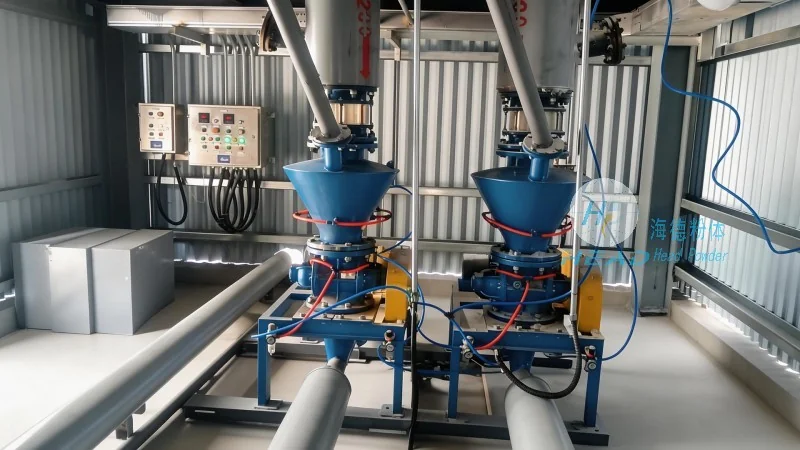
System Overview and Core Design Principles
The pneumatic conveying system for molybdenum concentrate typically operates on the principle of transporting bulk material through a pipeline using compressed air. The design must prioritize material handling efficiency while minimizing wear and tear on components. Key design principles include selecting appropriate air velocity, pressure, and pipeline diameter to match the material's flow characteristics. The system should also incorporate features that prevent material degradation, such as abrasion or agglomeration, which are common in molybdenum concentrate processing.
Key Components and Their Functionality
Several critical components make up a reliable molybdenum concentrate pneumatic conveying system. The feed hopper is the first component, responsible for storing and feeding the concentrate into the system. It must be designed to handle the material's bulk density and prevent blockages. The air compressor provides the necessary pressure to move the material through the pipeline. The choice of compressor type—such as rotary lobe or centrifugal—depends on the system's capacity and pressure requirements. The conveying pipeline is a crucial element, with its diameter and length affecting the system's efficiency. Properly sized and supported pipelines ensure consistent material flow. The separator or cyclone is used to separate the conveyed material from the air stream, allowing for material recovery and air filtration. Finally, the discharge hopper collects the material at the destination point, ensuring smooth unloading.

Material Handling Considerations for Molybdenum Concentrate
Molybdenum concentrate has specific properties that impact system design. The material's particle size distribution, typically ranging from fine to coarse particles, affects air velocity and pressure requirements. Higher moisture content can lead to material caking or blockages, requiring moisture control measures. The system must also account for the material's density and abrasiveness, which can cause wear on pipelines and components. Proper material testing and analysis are essential to determine the optimal design parameters for the conveying system.
System Integration and Customization
Shandong HeadPowder Engineering Co., Ltd. specializes in customizing pneumatic conveying systems to meet the specific needs of molybdenum processing facilities. The company's expertise lies in integrating various components into a cohesive system that maximizes efficiency and minimizes downtime. Customization may include adjusting the system's capacity, pressure, or material handling capabilities to suit the client's production requirements. The engineering team at HeadPowder ensures that the system is designed to comply with industry standards and safety regulations, providing a reliable solution for molybdenum concentrate transportation.

Advantages of a Well-Designed Pneumatic Conveying System
A properly designed pneumatic conveying system for molybdenum concentrate offers several advantages over traditional methods, such as belt conveyors or bucket elevators. The system provides a dust-free and enclosed environment, reducing health and safety risks associated with handling fine powders. It also minimizes material loss and contamination, as the material is contained within the pipeline. Additionally, the system can be integrated with other processing equipment, such as crushers or classifiers, to create a seamless material handling process. The overall cost of ownership is lower due to reduced maintenance and energy consumption compared to traditional systems.
Conclusion
Designing a pneumatic conveying system for molybdenum concentrate requires a comprehensive approach that considers material properties, system components, and operational requirements. Shandong HeadPowder Engineering Co., Ltd. offers expert solutions tailored to the unique challenges of molybdenum processing, ensuring efficient and reliable material transportation. By adhering to key design principles and integrating advanced technology, the company provides systems that enhance productivity and reduce operational costs for its clients.