

Introduction to Phosphorus Pentachloride Powder Conveying System: Structure and Working Principle
Phosphorus pentachloride (PCl5) is a highly reactive and hazardous chemical compound, making the design and operation of its powder conveying system a critical task. The system developed by Shandong HeadPowder Engineering Co., Ltd. (commonly known as headpowder) is engineered to ensure safe, efficient, and reliable transport of PCl5 powder in industrial applications.
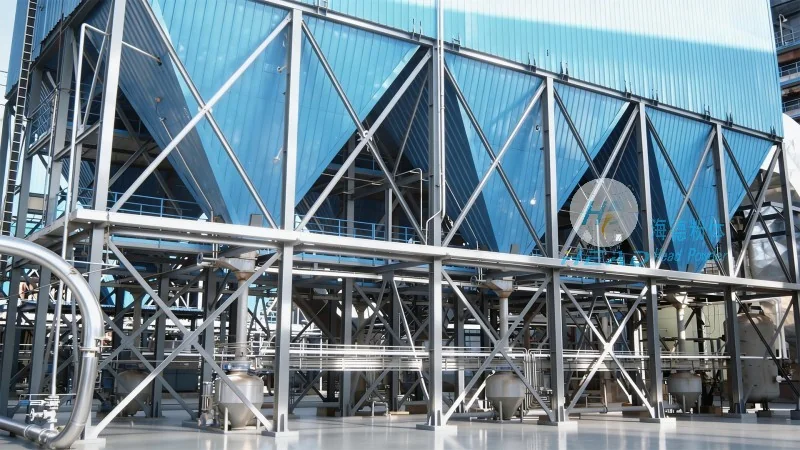
Company Overview and System Development
Shandong HeadPowder Engineering Co., Ltd., headquartered in Shandong, China, specializes in the design, manufacturing, and integration of advanced powder handling systems. The company's expertise lies in addressing the unique challenges posed by hazardous materials like PCl5, which requires specialized equipment to manage safely. The PCl5 powder conveying system is a result of extensive research and development, focusing on compliance with international safety standards and optimal performance in industrial settings.

System Structure and Components
The PCl5 powder conveying system comprises several key components that work in tandem to ensure the safe and efficient transport of the material. The primary components include a hopper for material storage, a rotary valve for controlled discharge, a flexible hose or pipeline for transport, and a receiver for material deposition. Each component is designed with safety features such as explosion-proof motors, temperature sensors, and pressure relief valves to mitigate risks associated with handling PCl5.

Working Principle of the Conveying Process
The operation of the PCl5 powder conveying system follows a systematic process. Initially, the PCl5 powder is stored in the hopper, where it is kept under controlled conditions to prevent moisture absorption or degradation. A rotary valve then regulates the flow of powder from the hopper into the conveying line. The powder is then transported through the pipeline using either positive displacement or pneumatic conveying methods, depending on the system design. The system ensures that the powder moves smoothly without clogging or agglomeration, which could lead to operational issues or safety hazards. At the receiving end, a receiver collects the PCl5 powder, and the system can be configured to integrate with downstream processes or storage facilities.
Key Features and Advantages
The PCl5 powder conveying system by headpowder offers several advantages that make it suitable for industrial applications. One of the key features is its ability to handle the high reactivity of PCl5 while maintaining safety standards. The system is equipped with real-time monitoring and control systems that allow operators to track the flow rate, pressure, and temperature of the material, ensuring optimal performance. Additionally, the system is designed for easy maintenance and cleaning, which is crucial for handling hazardous materials. The use of corrosion-resistant materials in the construction of the components ensures longevity and reduces the risk of material degradation over time.

Application and Safety Considerations
The PCl5 powder conveying system is widely used in various industrial sectors, including chemical manufacturing, pharmaceuticals, and research laboratories. Its design allows for integration into existing production lines or as a standalone system for material transport. Safety is a paramount consideration in the operation of this system. The system incorporates multiple safety measures, including emergency shut-off valves, fire suppression systems, and regular maintenance schedules to prevent accidents. Additionally, the system is designed to minimize human exposure to PCl5 by automating the conveying process and reducing the need for manual handling.