

Introduction to Calcium Oxide Pneumatic Conveying: Structure and Working Principle
Calcium oxide, commonly known as quicklime, is a widely used chemical in various industrial applications due to its reactivity and versatility. The efficient handling and transportation of calcium oxide are crucial for industrial processes, and pneumatic conveying systems have emerged as a reliable solution. This article provides an overview of calcium oxide pneumatic conveying, focusing on its structural components and operational principles, while highlighting the expertise of Shandong HeadPowder Engineering Co., Ltd. in this field.

Key Components of Pneumatic Conveying Systems for Calcium Oxide
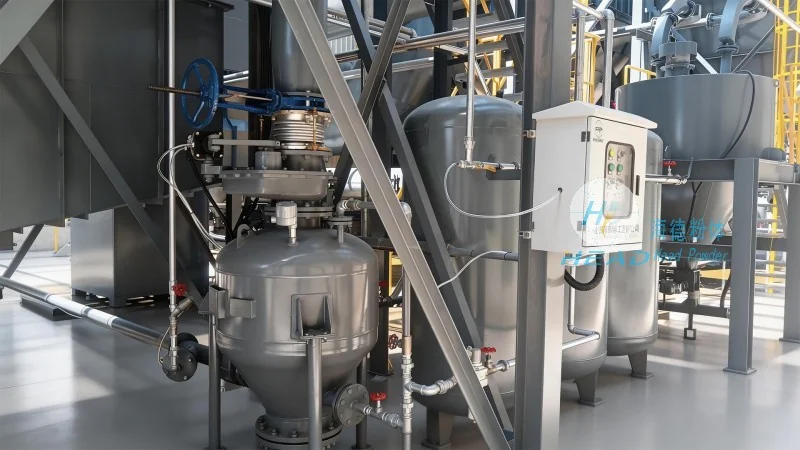
Pneumatic conveying systems for calcium oxide typically consist of several essential components that work in tandem to ensure smooth material transport. The primary components include a material hopper, a rotary airlock valve, a conveying pipeline, a dust collector, and a receiver. The material hopper serves as the storage container for calcium oxide, allowing for controlled feeding into the system. The rotary airlock valve acts as a critical control device, regulating the flow of material from the hopper into the pipeline while preventing backflow of air. The conveying pipeline, often made of durable materials such as stainless steel or plastic, transports the calcium oxide particles through the system. A dust collector is integrated to capture any airborne particles, ensuring environmental compliance and system safety. Finally, the receiver collects the conveyed material at the destination point, completing the process.
Working Principle of Calcium Oxide Pneumatic Conveying
The operation of a calcium oxide pneumatic conveying system involves the use of air as the conveying medium. The process begins with the material being fed from the hopper into the rotary airlock valve. As the valve rotates, it releases the material into the pipeline, where it is entrained by a high-velocity air stream. The air stream, generated by a blower or fan, propels the calcium oxide particles through the pipeline to the receiver. The velocity of the air is carefully controlled to ensure that the particles are carried without excessive wear or degradation. The system is designed to maintain a consistent flow rate, minimizing the risk of blockages or system inefficiencies. The dust collector plays a vital role in capturing any fine particles that may escape during the conveying process, protecting both the environment and the equipment.
Advantages of Pneumatic Conveying for Calcium Oxide Handling
Compared to traditional methods like belt conveyors or bucket elevators, pneumatic conveying offers several advantages for calcium oxide handling. One of the key benefits is the ability to transport materials over long distances without the need for multiple transfer points. This reduces the risk of material degradation and contamination. Additionally, pneumatic systems are more compact and can be installed in confined spaces, making them suitable for various industrial settings. The enclosed nature of the system also minimizes dust emissions, enhancing workplace safety and compliance with environmental regulations. Furthermore, the flexibility of pneumatic conveying allows for easy integration with other processing equipment, such as reactors or mixers, streamlining the overall production process.

Applications of Calcium Oxide Pneumatic Conveying Systems
Calcium oxide pneumatic conveying systems are widely used in various industries, including chemical manufacturing, food processing, and construction. In the chemical industry, these systems are employed in the production of calcium-based products, such as calcium hydroxide and calcium carbonate. The efficient transport of quicklime is essential for these processes, as it directly impacts the quality and yield of the final products. In the food industry, calcium oxide is used as a food additive, and pneumatic conveying ensures hygienic and safe handling of the material. The construction industry also benefits from these systems, as calcium oxide is used in the production of cement and other building materials. The ability to handle large volumes of material quickly and efficiently makes pneumatic conveying a preferred choice in these applications.

Expertise of Shandong HeadPowder Engineering Co., Ltd. in Pneumatic Conveying
Shandong HeadPowder Engineering Co., Ltd., a leading provider of pneumatic conveying solutions, specializes in designing and manufacturing systems tailored to the specific needs of calcium oxide handling. With years of experience in the industry, the company has developed a deep understanding of the unique challenges associated with transporting reactive materials like calcium oxide. Their expertise includes the selection of appropriate materials for components, such as the hopper and pipeline, to withstand the corrosive and abrasive nature of the material. The company also focuses on optimizing the system design to ensure maximum efficiency and minimal maintenance. By leveraging advanced technology and engineering knowledge, Shandong HeadPowder Engineering Co., Ltd. delivers reliable and durable pneumatic conveying systems that meet the highest industry standards.
Conclusion and Future Trends
Calcium oxide pneumatic conveying systems offer a robust and efficient solution for the transportation of this vital chemical. The structural components and operational principles discussed in this article highlight the complexity and importance of these systems in industrial applications. As technology advances, there is a growing emphasis on improving the efficiency and sustainability of material handling processes. Future trends may include the integration of automation and control systems to enhance system performance and reduce operational costs. Additionally, the development of more durable and corrosion-resistant materials will further extend the lifespan of pneumatic conveying systems. Despite these advancements, the fundamental principles of pneumatic conveying remain unchanged, ensuring its continued relevance in the industry.