

Operation Process and Working Principle of Pneumatic Conveying Equipment for Glucose Material
Glucose, a critical raw material in the food, pharmaceutical, and chemical industries, requires efficient and reliable handling to ensure product quality and process continuity. Pneumatic conveying equipment has emerged as a preferred solution for transporting glucose due to its ability to handle fine powders, maintain product integrity, and minimize contamination risks. This article delves into the operation process and working principle of such equipment, highlighting the technical aspects and practical applications in industrial settings.
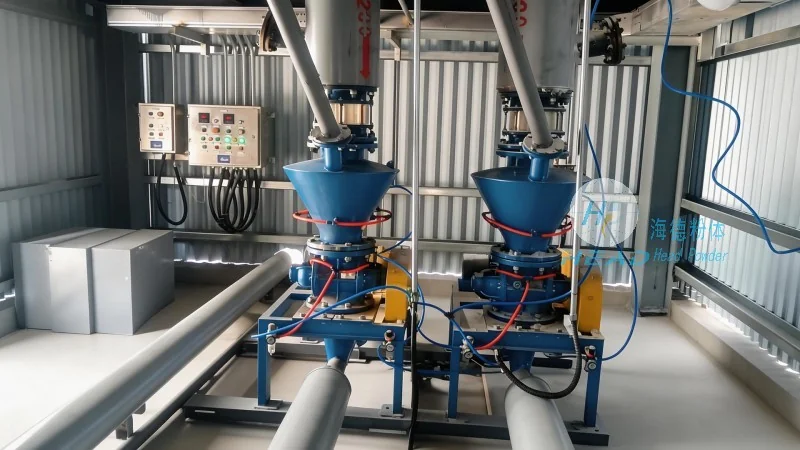
Key Components of Pneumatic Conveying Systems
At the core of any pneumatic conveying system for glucose material are several essential components that work in tandem to facilitate material transport. These include the hopper or feed bin, which stores the glucose; a rotary valve or feeder that controls the flow of material into the system; the conveying line, typically made of stainless steel to prevent corrosion and contamination; a compressor or blower that generates the air pressure needed for transport; and a receiver or discharge hopper where the material is deposited. Each component plays a vital role in ensuring smooth and efficient operation.

The Operation Process of Glucose Material Pneumatic Conveying
The operation process of pneumatic conveying equipment for glucose material involves a series of steps designed to move the material from the storage hopper to the discharge point. Initially, the glucose is fed into the system via a rotary valve, which regulates the flow rate to match the conveying requirements. Simultaneously, the compressor or blower starts operating, generating a flow of air that creates a pressure differential within the conveying line. As the air flows through the line, it entrains the glucose particles, forming a slurry-like mixture that is propelled forward by the air pressure. The conveying line may include bends, elbows, or other fittings, which are designed to minimize pressure loss and maintain the flow of material. Upon reaching the discharge point, the air and material separate, with the air being filtered and recycled back into the system, while the glucose is collected in the receiver hopper. This process is typically automated, with sensors and controls monitoring the flow rate, pressure, and other parameters to ensure consistent performance.
Working Principle of Pneumatic Conveying for Glucose
The working principle of pneumatic conveying equipment for glucose material is based on the principle of fluidization and air movement. When air is introduced into the conveying line at a sufficient velocity, it creates a low-pressure zone that draws the glucose particles into the flow. The air velocity must be high enough to overcome the gravitational force acting on the particles and to maintain them in suspension. The pressure differential between the inlet and outlet of the conveying line drives the material forward. There are two main types of pneumatic conveying systems used for glucose: dilute-phase and dense-phase. Dilute-phase systems operate at higher air velocities and lower pressure, suitable for short-distance transport of fine powders like glucose. Dense-phase systems, on the other hand, use lower air velocities and higher pressure to transport material in a more compact form, reducing the risk of product degradation and clogging. The choice between these systems depends on the specific application, distance, and material characteristics.

Benefits of Using Pneumatic Conveying Equipment for Glucose
Implementing pneumatic conveying equipment for glucose material offers several advantages over traditional methods such as bucket elevators or belt conveyors. Firstly, it eliminates the need for mechanical contact with the material, reducing the risk of contamination and product degradation. The stainless steel construction of the conveying line ensures that the glucose remains free from rust, metal particles, or other contaminants, which is crucial for pharmaceutical and food-grade applications. Secondly, pneumatic conveying systems are more flexible and can handle varying flow rates and distances, making them suitable for complex production lines. They can also be easily integrated with other processing equipment, such as mixers, reactors, or packaging machines. Thirdly, these systems are energy-efficient compared to other transport methods, as they use compressed air to move the material, which can be recycled and reused. Additionally, they provide better dust control, as the material is enclosed within the conveying line, reducing the risk of dust emissions and improving workplace safety.