

Operation Process and Working Principle of Alloy Powder Material Handling Equipment
Alloy powder material handling equipment is a critical component in industrial settings where the efficient and safe transport of metallic powders is paramount. These systems are essential for applications in aerospace, automotive, and manufacturing sectors, where maintaining product integrity and minimizing contamination risks are non-negotiable. The proper operation of such equipment directly impacts production efficiency, product quality, and overall operational costs.

Company Profile
HeadPowder, a prominent entity in the material handling industry, specializes in the design, development, and manufacturing of high-performance alloy powder handling solutions. Headquartered in Shandong, China, the company has built a strong reputation for delivering reliable and innovative equipment tailored to diverse industrial needs. With a focus on quality and customer satisfaction, HeadPowder serves clients across various industries, providing customized solutions that enhance operational efficiency and ensure product safety.
Core Components and Their Roles
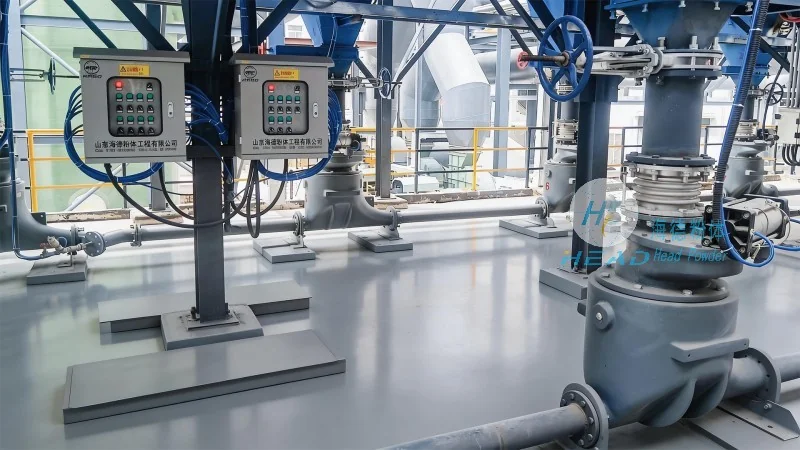
The alloy powder material handling system typically comprises several key components, each with a specific function in the material transport process. The primary components include storage bins, feeders, conveyors, and control systems. Storage bins are used to hold large quantities of alloy powder, providing a buffer for production fluctuations and ensuring a steady supply. Feeders, such as rotary or vibratory types, accurately meter the powder, controlling the flow rate to match production demands. Conveyors, either pneumatic or mechanical, transport the powder from the storage bin to the processing or packaging area. Control systems monitor and regulate the entire process, adjusting parameters like pressure, flow rate, and temperature to maintain optimal performance and prevent system failures.

Step-by-Step Operation Process
The operation of alloy powder material handling equipment follows a systematic sequence to ensure smooth and continuous material transport. The process begins with the loading of alloy powder into the storage bin. The feeder then measures the required amount of powder and releases it into the conveyor system. The conveyor transports the powder through a network of pipes or mechanical pathways to the processing unit. Throughout this operation, the control system continuously monitors key parameters, such as pressure and flow rate, and adjusts the system as needed to maintain a stable and consistent flow. This automated process minimizes human intervention, reduces the risk of errors, and ensures the powder is handled with precision and care.
Working Principle Explained
The working principle of alloy powder material handling equipment is based on the fundamental principles of material flow and control. Pneumatic systems utilize compressed air to create a pressure differential that moves the powder through the system. The air pressure propels the powder while the system's design minimizes particle degradation and ensures uniform flow. Mechanical systems, such as screw or belt conveyors, rely on mechanical forces to transport the powder. These systems are often preferred for handling larger or more abrasive powders, as they provide direct control over the material's movement and can handle higher volumes. The combination of pneumatic and mechanical principles allows the equipment to handle a wide range of alloy powders, including stainless steel, aluminum, and copper alloys, with efficiency and reliability.
Advantages and Benefits
Implementing alloy powder material handling equipment offers significant advantages to industrial operations. These systems enhance productivity by ensuring a consistent and uninterrupted supply of powder, reducing downtime caused by material shortages or handling issues. They also improve product quality by minimizing contamination risks, which is critical for applications where alloy purity directly impacts performance. Additionally, the equipment reduces labor costs by automating the material handling process, allowing workers to focus on other value-added tasks. The compact design of modern equipment saves valuable floor space in industrial facilities, making it suitable for both large-scale manufacturing plants and smaller production environments. Overall, the investment in such equipment leads to improved operational efficiency, cost savings, and enhanced product quality.
Conclusion
In summary, alloy powder material handling equipment is an indispensable tool for industries relying on metallic powders. The equipment's ability to handle various alloy types efficiently and safely makes it a vital asset in sectors like aerospace, automotive, and manufacturing. HeadPowder, with its expertise and commitment to quality, continues to provide cutting-edge solutions that meet the evolving needs of its clients. By understanding the operation process and working principles of such equipment, businesses can optimize their material handling processes, enhance productivity, and ensure the highest standards of product quality. The integration of reliable material handling systems is key to maintaining competitiveness and achieving long-term success in today's industrial landscape.