

Operation Process and Working Principle of Activated Carbon Material Conveying System
Shandong HeadPowder Engineering Co., Ltd., headquartered in Shandong, China, is a prominent enterprise specializing in the development and implementation of advanced material handling systems. The company focuses on providing efficient solutions for transporting activated carbon, a vital material utilized in sectors like air purification, water treatment, and chemical processing. This article explores the operational workflow and technical principles underlying the activated carbon material conveying system, detailing its components, operational sequence, and the mechanisms that ensure optimal performance.

System Overview and Core Components
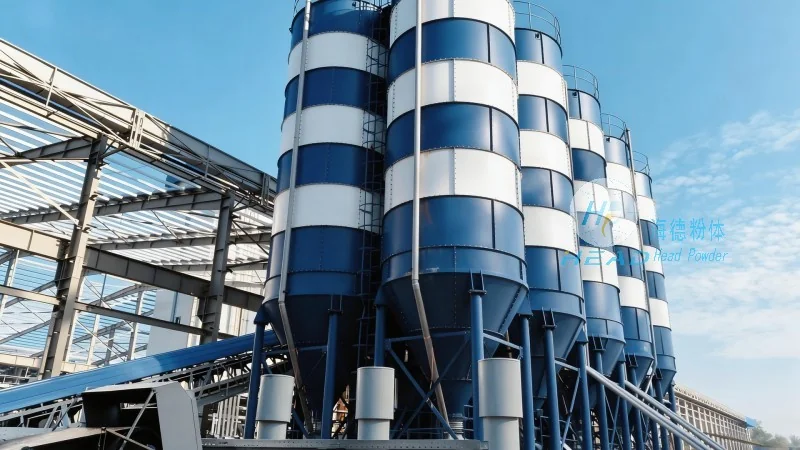
The activated carbon material conveying system is a sophisticated piece of equipment engineered to move activated carbon from storage silos or bulk containers to processing units. The system comprises several integral parts, each critical to the overall functionality. These components include the storage hopper or silo, which serves as the primary container for raw activated carbon; a feeder mechanism, such as a rotary valve or screw conveyor, responsible for regulating material flow; a conveyor system, which may be a belt conveyor, pneumatic conveyor, or a hybrid design, depending on application needs; and a control panel that manages the entire operation through automated or manual controls.
Step-by-Step Operation Process
The system's operation follows a systematic workflow to ensure smooth, continuous material transfer. The process initiates with the loading of activated carbon into the storage hopper. Once the hopper is filled, the feeder activates, controlling the flow of material into the conveyor system. The conveyor then transports the activated carbon to the processing unit or discharge point. The control panel monitors performance, adjusting feeder or conveyor speed as needed to maintain a consistent flow rate. This structured approach minimizes handling errors and ensures activated carbon is delivered in a controlled, efficient manner.

Working Principle: Mechanical and Pneumatic Dynamics
The system's working principle integrates mechanical and, in some cases, pneumatic mechanisms to achieve material transport. Mechanical components like screw or belt conveyors rely on rotational motion to move the material. For example, a screw conveyor uses a rotating screw to push activated carbon forward, while a belt conveyor employs a moving belt to carry it. Pneumatic systems utilize compressed air or gas to suspend and propel the material through a pipeline. The design ensures gentle handling, preserving the activated carbon's surface area—essential for its adsorption capabilities in industrial processes.
Advantages and Industrial Applications
The system offers several benefits, including efficient bulk handling to reduce labor costs and minimize spillage. It integrates seamlessly with existing processing lines, enhancing overall operational efficiency. Widely used in environmental protection (air/water purification) and chemical processing (as a catalyst/adsorbent), the system's reliability and durability ensure long-term performance. This makes it a cost-effective solution for material handling needs across various industries.

Conclusion
Shandong HeadPowder Engineering Co., Ltd. has engineered a robust activated carbon material conveying system that combines advanced technology with practical application. Its operation process and working principle are tailored to meet modern industrial demands, ensuring safe and effective transport of activated carbon. With a commitment to quality and innovation, the company delivers top-tier material handling solutions that boost productivity and operational efficiency for clients worldwide.