

Operation Process and Working Principle of Artificial Graphite Powder Conveying Line
Shandong HeadPowder Engineering Co., Ltd., commonly known as headpowder, is a professional manufacturer specializing in the design, production, and installation of advanced powder conveying systems. With a focus on precision and efficiency, the company serves industries that require reliable handling of artificial graphite powder, ensuring optimal performance in various applications.
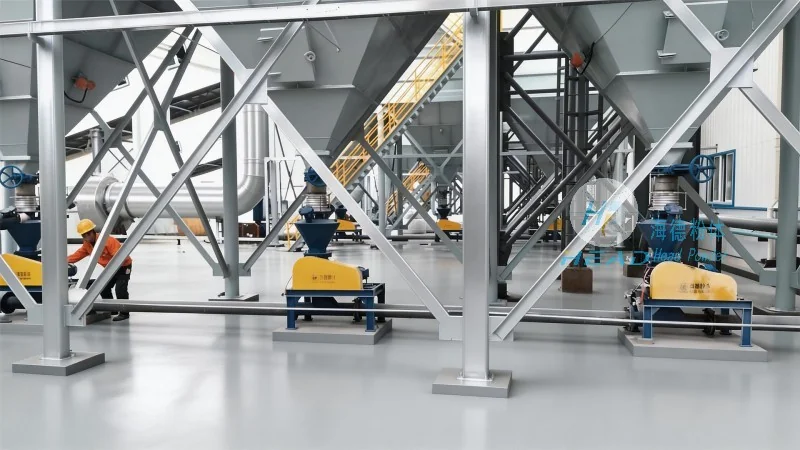
Artificial graphite powder conveying lines are critical components in many industrial processes, enabling the safe and efficient transportation of graphite powder from storage to processing equipment. These systems are designed to handle the unique properties of graphite powder, such as its fine particle size and potential for static electricity, while maintaining consistent flow rates and minimizing material loss.
Operation Process of Artificial Graphite Powder Conveying Line
The operation of an artificial graphite powder conveying line typically involves several key steps, each designed to ensure smooth and controlled movement of the material. The process begins with the loading of graphite powder into a storage hopper or silo. From there, the powder is transferred to a feeder, which regulates the flow rate to match the requirements of the downstream equipment. The feeder may use a variety of mechanisms, such as a rotary valve or a vibratory feeder, to control the discharge of powder.
Once the powder is fed into the conveying system, it is transported through a pipeline using either pneumatic or mechanical methods. Pneumatic conveying systems utilize compressed air to move the powder, while mechanical systems rely on screw conveyors or belt conveyors. The choice of method depends on factors like the powder's characteristics, the distance to be conveyed, and the desired flow rate. In the case of artificial graphite powder, which is often fine and can generate static electricity, pneumatic systems are commonly preferred due to their ability to handle static charges and prevent material buildup.

During the conveying process, the system may include components such as cyclones or filters to separate any entrained air or fine particles, ensuring that the powder reaches the destination in a clean and consistent state. The receiving hopper or processing equipment then takes over, where the graphite powder is further processed or used in the final product. Throughout the operation, sensors and controls monitor the system's performance, allowing for adjustments to maintain optimal conditions and prevent issues like blockages or overloading.
Working Principle of Artificial Graphite Powder Conveying Line
The working principle of an artificial graphite powder conveying line is based on the principles of fluid dynamics and mechanical engineering. The system is designed to convert the solid powder into a transportable medium by either suspending it in a gas stream (in pneumatic systems) or using mechanical force to move it through the pipeline. In pneumatic conveying, the compressed air creates a pressure differential that propels the powder particles forward. The velocity of the air and the size of the particles determine the efficiency of the conveying process, with larger particles requiring higher air velocities to maintain suspension.
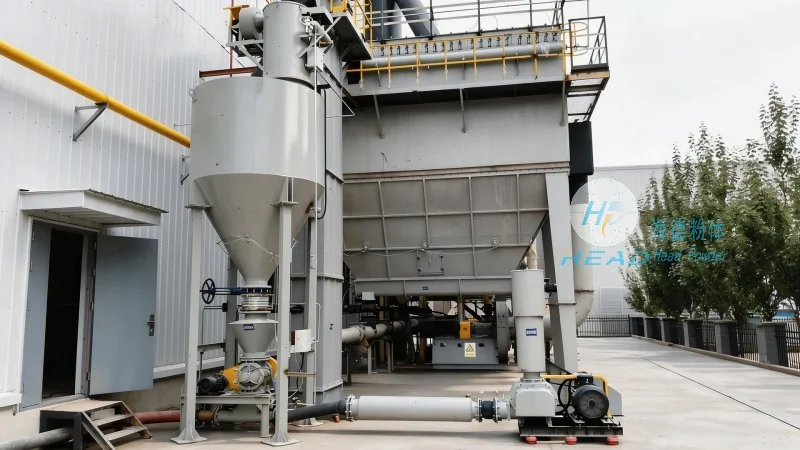
For mechanical conveying systems, the principle involves the use of rotating components, such as screws or belts, to push the powder along the pipeline. The design of these components is critical, as they must be able to handle the abrasive nature of graphite powder without excessive wear. The mechanical force applied is proportional to the torque of the motor and the length of the conveyor, ensuring that the powder is moved at a consistent speed. In both pneumatic and mechanical systems, the control of flow rate and pressure is essential to prevent material degradation or system failure.
The system also incorporates safety features to address the unique properties of graphite powder. For example, grounding and bonding systems are used to prevent static electricity buildup, which can cause sparks and pose a fire hazard. Additionally, the design of the pipeline and components minimizes the risk of material clogging, as graphite powder can adhere to surfaces if not properly managed. By integrating these features, the conveying line ensures safe and reliable operation, protecting both the equipment and the personnel involved.
Conclusion
Artificial graphite powder conveying lines are sophisticated systems that combine engineering expertise with advanced technology to handle the challenges of transporting fine, static-prone materials. By understanding the operation process and working principles, users can optimize their systems for efficiency, safety, and longevity. Shandong HeadPowder Engineering Co., Ltd. specializes in providing customized solutions tailored to the specific needs of their clients, ensuring that the conveying lines meet the highest standards of performance and reliability.