

Operation Process and Working Principle of Dry Desulfurizer Powder Conveying Equipment
HeadPowder, a leading manufacturer based in Shandong, China, specializes in the design and production of advanced dry desulfurizer powder conveying equipment. This equipment is crucial for efficient handling and transportation of desulfurization agents in industrial applications, particularly in power plants and chemical processing facilities. The following sections will detail the operational process and working principles of such equipment, highlighting key components and their functions.

Key Components and Their Roles
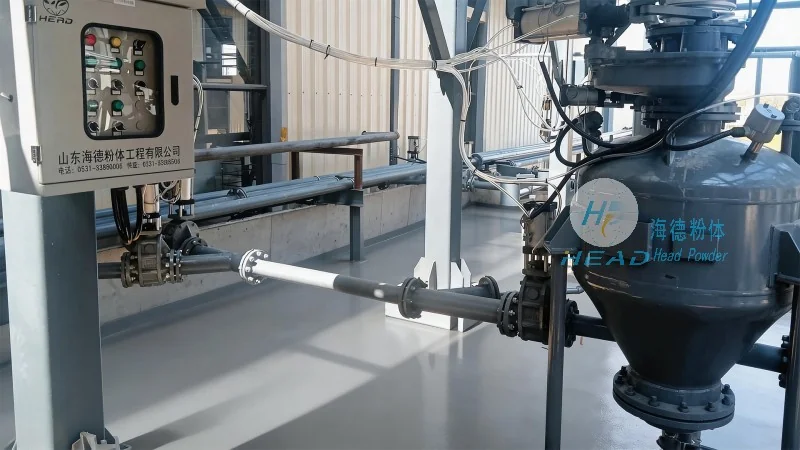
The dry desulfurizer powder conveying system typically consists of several essential components that work in tandem to ensure smooth and reliable operation. These components include the hopper, feeder, conveyor (such as screw or pneumatic conveyors), control system, and discharge unit. Each part plays a critical role in the overall functionality of the equipment.
The hopper is the initial storage container where the desulfurizer powder is loaded. It is designed with a sloped bottom to facilitate the flow of material into the feeder. The feeder, often a rotary valve or a star feeder, regulates the flow rate of the powder from the hopper to the conveyor. This control is vital to prevent overloading or underloading of the conveyor, which could lead to operational inefficiencies or equipment damage.
The conveyor system is the core of the powder handling process. In many applications, a screw conveyor is used due to its ability to handle dry, free-flowing powders without the need for additional air or power sources. The screw conveyor consists of a rotating screw within a cylindrical housing. As the screw rotates, it pushes the powder forward, ensuring consistent and continuous movement. For more challenging materials or larger volumes, pneumatic conveyors may be employed, utilizing air pressure to transport the powder through a pipeline network.
The control system is another critical component that manages the entire operation. It includes sensors, control panels, and automation software that monitor parameters such as flow rate, pressure, and temperature. These sensors provide real-time data to the control system, allowing for adjustments to be made automatically. For example, if the flow rate from the feeder is too high, the control system can reduce the speed of the screw conveyor to maintain a balanced operation. This automation ensures that the equipment operates within safe and efficient parameters, minimizing downtime and maximizing productivity.
The discharge unit is the final component of the conveying system. It is responsible for delivering the desulfurizer powder to its destination, such as a storage silo or a processing unit. The discharge unit may include a valve or a gate that controls the release of the powder. In some cases, a rotary valve is used to regulate the discharge rate, ensuring a steady flow to the next stage of the process.
Operation Process of the Equipment
The operation of the dry desulfurizer powder conveying equipment follows a systematic process that begins with material loading and ends with discharge. The process can be broken down into several key steps:

1. **Material Loading**: The desulfurizer powder is loaded into the hopper from a bulk storage or a processing unit. The hopper is designed to accommodate a large volume of material, ensuring that the equipment can operate continuously without frequent refills.
2. **Feeder Operation**: The rotary valve or star feeder starts to rotate, controlling the flow of powder from the hopper into the conveyor. The feeder's speed is adjusted based on the required flow rate, which is determined by the downstream processing requirements.
3. **Conveyor Movement**: The screw or pneumatic conveyor begins to operate, transporting the powder forward. The speed of the conveyor is synchronized with the feeder's output to maintain a consistent flow.
4. **Control System Monitoring**: The control system continuously monitors the flow rate, pressure, and temperature. If any parameter deviates from the set points, the system triggers an alarm or adjusts the operation of the feeder or conveyor to correct the issue.
5. **Discharge and Delivery**: The powder reaches the discharge unit, where it is released into the next stage of the process or stored in a silo. The discharge rate is controlled by the rotary valve or gate, ensuring a steady supply to the downstream equipment.
6. **Shutdown and Maintenance**: When the operation is complete, the equipment is shut down in a controlled manner. The control system ensures that all components are turned off in the correct sequence to prevent damage. Regular maintenance, such as cleaning the hopper and conveyor, is performed to maintain the equipment's efficiency and longevity.

Working Principle of the Equipment
The working principle of the dry desulfurizer powder conveying equipment is based on the principles of material flow and mechanical or pneumatic transport. The equipment operates by converting the potential energy of the powder in the hopper into kinetic energy through the feeder and conveyor. The key principles involved are gravity, friction, and pressure differentials.
**Gravity**: The hopper is designed with a sloped bottom to allow the powder to flow under the influence of gravity. This ensures that the material moves from the hopper to the feeder without the need for external force, except for the feeder's control.
**Friction**: The feeder and conveyor components rely on friction to control the flow of powder. The rotary valve, for example, uses the friction between the powder and the valve's rotating parts to regulate the flow rate. Similarly, the screw conveyor uses the friction between the powder and the screw to move the material forward.
**Pressure Differentials**: In pneumatic conveying systems, the equipment operates by creating a pressure differential between the hopper and the discharge point. The air is introduced into the hopper, creating a low-pressure zone that draws the powder into the pipeline. The pressure is then increased in the pipeline to transport the powder to the discharge unit. This principle allows for the efficient transport of powder over long distances.
**Automation and Control**: The modern dry desulfurizer powder conveying equipment is equipped with advanced control systems that integrate sensors and automation software. These systems ensure that the equipment operates within optimal parameters, reducing the risk of material buildup, blockages, or equipment failure. The control system also provides real-time data and alerts for maintenance, allowing for proactive maintenance and minimizing downtime.
Benefits and Applications
The dry desulfurizer powder conveying equipment offers several benefits that make it an essential component in industrial desulfurization processes. These benefits include:
1. **Efficient Material Handling**: The equipment efficiently handles large volumes of desulfurizer powder, ensuring a continuous supply to the processing units. This reduces the need for manual handling and improves overall operational efficiency.
2. **Reduced Downtime**: The automated control system and regular maintenance schedule minimize downtime, ensuring that the equipment operates continuously and reliably.
3. **Low Maintenance Costs**: The design of the equipment, with its simple components and minimal moving parts, reduces maintenance costs and increases the equipment's lifespan.
4. **Environmental Compliance**: The equipment helps in maintaining environmental compliance by ensuring that the desulfurizer powder is handled and transported in a controlled manner, preventing dust emissions and material loss.
These benefits make the dry desulfurizer powder conveying equipment suitable for various applications, including power plants, chemical processing facilities, and industrial manufacturing plants. The equipment is designed to handle different types of desulfurizer powders, such as limestone or calcium carbonate, and can be customized to meet specific operational requirements.