

Operation Process and Working Principle of Automatic Powder Feeding and Conveying
HeadPowder, a leading provider of powder handling solutions, specializes in the design and implementation of automatic powder feeding and conveying systems. These systems are essential for industries that require precise and efficient handling of bulk powders, ensuring consistent quality and operational reliability. The following sections detail the operation process and working principles of such systems, highlighting key components and their functions.

Key Components and Their Roles
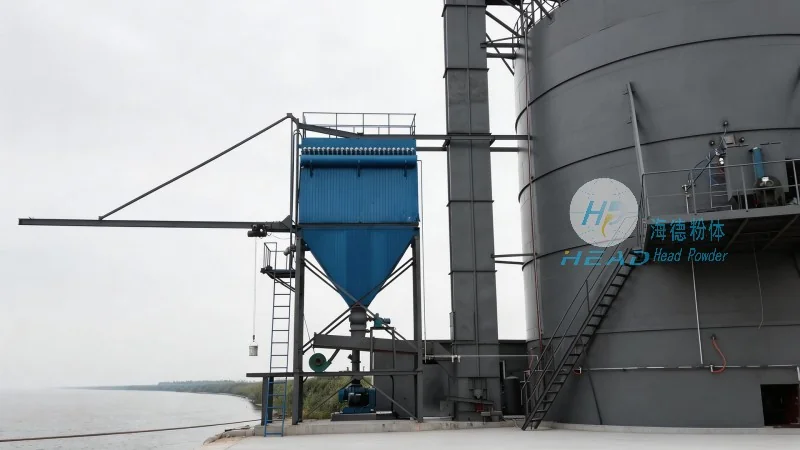
The automatic powder feeding and conveying system typically consists of several critical components that work in tandem to achieve seamless material transfer. These include feeders, conveyors, control systems, and safety devices. Each component plays a vital role in maintaining the system's efficiency and safety. For instance, feeders are responsible for accurately measuring and releasing the required amount of powder, while conveyors transport the material from one location to another. The control system monitors and adjusts the operation based on real-time data, ensuring optimal performance. Safety devices, such as pressure relief valves and overload sensors, protect the system from potential hazards.

Operation Process: Step-by-Step Overview
The operation of an automatic powder feeding and conveying system follows a systematic process that ensures smooth and reliable material handling. The process begins with the preparation of the powder, where the material is stored in a hopper or silo. The feeder then measures the desired quantity of powder and releases it into the conveyor. The conveyor transports the powder to the next stage, such as a mixer or processing unit. The control system continuously monitors the flow rate and pressure, making adjustments as needed to maintain consistent performance. This step-by-step approach minimizes downtime and maximizes productivity, making it ideal for high-demand industrial applications.
Working Principle: How It Works
The working principle of the automatic powder feeding and conveying system is based on mechanical and pneumatic principles, depending on the specific design. Mechanical feeders, like screw feeders or vibratory feeders, use rotational or vibrational motion to move the powder. Pneumatic conveyors, on the other hand, utilize compressed air to transport the material through pipes. The control system integrates sensors and actuators to regulate the flow, ensuring precise dosing and consistent delivery. This integrated approach allows for real-time adjustments, adapting to changes in material properties or operational conditions. The result is a highly efficient system that reduces human error and enhances overall operational safety.
Benefits and Applications
Automatic powder feeding and conveying systems offer numerous benefits to industries that handle bulk powders. These include improved accuracy in material measurement, reduced labor costs, and enhanced safety. The systems are widely used in pharmaceutical, food, chemical, and manufacturing industries, where consistent quality and compliance with regulations are paramount. By automating the powder handling process, companies can achieve higher productivity, lower maintenance costs, and better control over their operations. HeadPowder's expertise in designing and manufacturing these systems ensures that clients receive tailored solutions that meet their specific needs and industry standards.