

Principle and Working Scene Characteristics of Molybdenum Trioxide Powder Pneumatic Conveying Equipm
Molybdenum trioxide (MoO₃) is a critical industrial material widely used in various high-tech applications, including electronics, ceramics, and chemical synthesis. The efficient handling and transportation of MoO₃ powder are essential for maintaining production efficiency and product quality. Pneumatic conveying systems have emerged as a preferred solution for transporting such fine powders, offering advantages like dust-free operation, low maintenance, and the ability to handle sensitive materials without contamination. This article delves into the principles behind molybdenum trioxide powder pneumatic conveying equipment and explores the specific working scene characteristics that make such systems effective in industrial settings.

Principle of Pneumatic Conveying for Molybdenum Trioxide Powder
The core principle of pneumatic conveying involves the use of air or gas to transport solid particles through a pipeline. In the case of molybdenum trioxide powder, the system typically operates under positive pressure or negative pressure, depending on the specific design and application requirements. Positive pressure systems use a blower to generate air flow that pushes the powder through the pipeline, while negative pressure systems employ a vacuum to draw the powder into the system. The key components of a typical molybdenum trioxide powder pneumatic conveying system include a hopper for material storage, a feeder to control the flow rate, a conveying line, and a receiver to collect the material at the destination. The selection of the appropriate conveying method—such as dilute phase or dense phase—depends on factors like the particle size, moisture content, and the distance between the source and destination. For fine molybdenum trioxide powders, dilute phase conveying is often preferred due to its lower pressure requirements and ability to handle longer distances with minimal pressure drop. The system's efficiency is further enhanced by the use of specialized components like cyclones for separation and filters to prevent dust emissions.
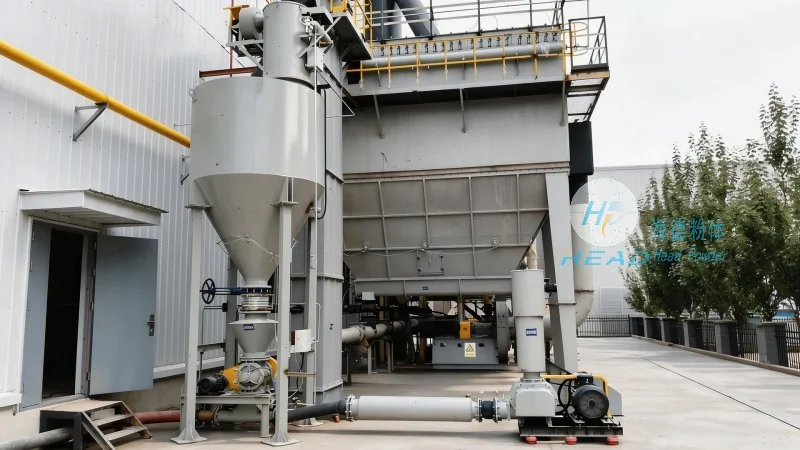
Working Scene Characteristics of Molybdenum Trioxide Powder Pneumatic Conveying Equipment
The effectiveness of molybdenum trioxide powder pneumatic conveying systems is closely tied to the specific working scene characteristics where they are deployed. These characteristics include the scale of production, the environment (indoor or outdoor), the need for dust control, and the integration with other production processes. In industrial settings, such as chemical plants or material processing facilities, the system must be capable of handling large volumes of MoO₃ powder while maintaining consistent flow rates. The working scene may also involve multiple transfer points, requiring the system to be flexible and adaptable to different operational needs. For example, in a production line where MoO₃ is used as an additive in ceramic manufacturing, the pneumatic conveying system needs to connect the storage silo to the mixing equipment with minimal downtime and high reliability. Additionally, the system must comply with safety regulations, particularly regarding the handling of potentially hazardous powders. This includes features like explosion-proof designs and proper ventilation to prevent dust accumulation and ensure worker safety. The working scene characteristics also influence the choice of materials for the conveying components, such as stainless steel or corrosion-resistant alloys, to withstand the chemical properties of molybdenum trioxide and prevent contamination.
Application Scenarios and Benefits in Industrial Production
Molybdenum trioxide powder pneumatic conveying systems find widespread application in various industrial sectors. In the electronics industry, MoO₃ is used as a raw material for producing molybdenum-based compounds, and the pneumatic conveying system ensures that the powder is transported safely and efficiently from storage to processing equipment. In the ceramics industry, MoO₃ is added to glazes and clay mixtures to enhance the properties of the final products, and the system facilitates the precise dosing of the powder during production. The benefits of using such systems extend beyond just material handling; they also contribute to overall production efficiency and cost reduction. By eliminating the need for manual handling and reducing the risk of material loss or contamination, the pneumatic conveying system improves product quality and reduces waste. Furthermore, the dust-free operation of the system enhances workplace safety and compliance with environmental regulations. The working scene characteristics, such as the need for high-purity materials in pharmaceutical or food processing industries, are also addressed by the advanced filtration and separation technologies integrated into the system. This ensures that the MoO₃ powder remains free from contaminants, meeting the stringent quality standards required in these sectors.

Conclusion and Company Overview
In conclusion, molybdenum trioxide powder pneumatic conveying equipment plays a vital role in modern industrial production, offering efficient, safe, and reliable transportation of fine powders. The principles behind these systems, combined with the specific working scene characteristics, ensure that they meet the diverse needs of various industries. As a leading provider in this field, Shandong HeadPowder Engineering Co., Ltd. specializes in designing and manufacturing customized pneumatic conveying solutions tailored to the unique requirements of molybdenum trioxide powder handling. With a focus on innovation and quality, the company ensures that its systems deliver optimal performance and contribute to the success of its clients' operations. Based in Shandong, China, HeadPowder leverages its expertise and local resources to deliver cutting-edge solutions that meet the evolving demands of the industrial sector. The company's commitment to customer satisfaction and product excellence is reflected in its comprehensive approach to pneumatic conveying technology, making it a trusted partner for businesses seeking efficient and reliable material handling solutions.