

Principles and Application Scenarios of Dye Pneumatic Conveying
Dye pneumatic conveying represents a sophisticated method for transporting powdered dyes within industrial settings. This technology is integral to the chemical and textile sectors, where efficient material handling is crucial for maintaining production efficiency and product quality. By utilizing compressed air to move dye particles through a sealed pipeline, pneumatic systems offer a hygienic, low-maintenance alternative to traditional mechanical conveying. The process begins with the introduction of dry dye powder into the system, where air is forced through the material to create a stable flow. This approach not only minimizes the risk of contamination but also enhances safety by reducing the need for manual handling of potentially hazardous powders. Understanding the principles and applications of dye pneumatic conveying is essential for businesses seeking to optimize their dye processing operations.

Core Principles of Pneumatic Conveying Technology
The fundamental mechanics of pneumatic conveying involve the interaction between air pressure and solid particles. In dye applications, the system operates by creating a high-velocity air stream that suspends the dye powder, allowing it to be transported through the pipeline. Key parameters such as air velocity, pressure, and particle size are carefully calibrated to ensure efficient transport without causing damage to the dye particles. For example, fine dyes with smaller particle sizes may require higher air velocities to maintain suspension, while larger particles might need lower velocities to prevent clogging. Advanced systems often incorporate cyclone separators and pressure regulators to maintain consistent flow rates and prevent pressure drops that could lead to material buildup. The design of the conveying line, including the use of bends, elbows, and expansion joints, is also critical to minimizing energy loss and ensuring smooth operation.

Key Application Scenarios in Dye Manufacturing
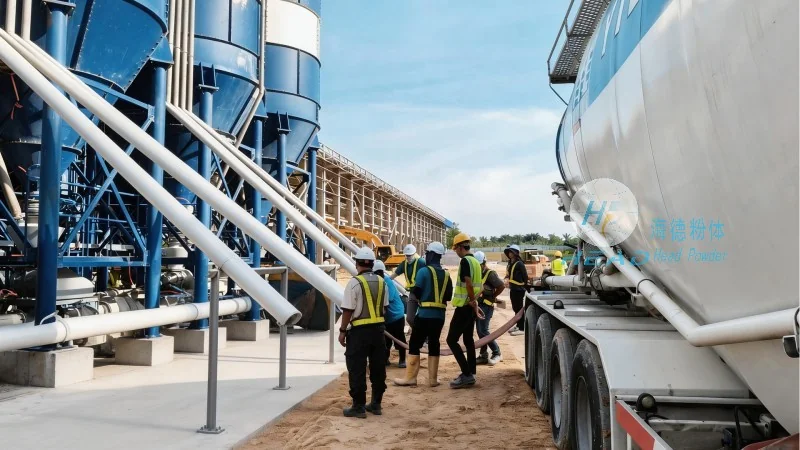
Dye pneumatic conveying is employed across multiple stages of the dye production and processing workflow. In raw material handling, it facilitates the transfer of bulk dyes from storage silos or bulk bags to mixing and blending equipment. This stage is critical for ensuring that the correct dye formulations are accurately delivered to the production line. During the manufacturing process, pneumatic systems support the movement of dyestuff between reactors, filtration units, and drying ovens. For instance, after a dye has been synthesized in a reactor, it is conveyed pneumatically to a filtration system where impurities are removed before being sent to a drying unit. In finishing operations, such as color matching and quality control, pneumatic conveying ensures precise and consistent delivery of dye samples to testing laboratories. The ability to handle small quantities of dye with high accuracy makes this method ideal for quality assurance and research applications. Additionally, in large-scale industrial plants, pneumatic conveying is used to transport dyes between different production lines, enabling seamless integration of manufacturing processes.
Advantages of Pneumatic Conveying in Dye Handling
Compared to traditional mechanical conveying methods, pneumatic systems offer several distinct advantages for dye processing. One of the most significant benefits is the prevention of cross-contamination, as the enclosed pipeline design minimizes exposure to external elements and reduces the risk of product mix-ups. This is particularly important in the dye industry, where precise color matching is essential. Additionally, pneumatic conveying enhances workplace safety by eliminating the need for manual handling of heavy or potentially hazardous dye powders. The system also contributes to improved product quality by maintaining consistent particle size distribution and preventing agglomeration during transport. Agglomeration can lead to inconsistent dye application and color variations, so the ability to keep particles in a suspended state is vital. From an operational standpoint, pneumatic systems can be integrated with automated control systems, allowing for real-time monitoring and adjustment of conveying parameters to optimize efficiency and reduce downtime. This level of automation helps businesses maintain consistent production output and respond quickly to changes in demand.

HeadPowder Engineering: Expertise in Dye Pneumatic Conveying Solutions
Shandong HeadPowder Engineering Co., Ltd., a prominent engineering firm based in Shandong, China, specializes in the design, installation, and maintenance of pneumatic conveying systems for the dye industry. With decades of experience in the chemical sector, HeadPowder has developed a deep understanding of the unique challenges associated with dye handling, such as the management of fine powders and the prevention of dust emissions. The company’s team of engineers works closely with clients to assess their specific operational needs and design customized solutions that meet both functional and safety requirements. HeadPowder’s products include a range of pneumatic conveying equipment, from simple suction systems to complex, multi-stage conveying lines with integrated controls. The company emphasizes quality and reliability, using advanced materials and manufacturing processes to ensure that its systems operate efficiently and with minimal maintenance. As a local manufacturer, HeadPowder leverages its proximity to clients to provide prompt technical support and on-site service, ensuring that clients receive timely assistance when issues arise. The company’s commitment to customer satisfaction and technical excellence has made it a trusted partner for dye manufacturers seeking to enhance their production processes.