

Principle and Working Scene Characteristics of Glass-Blasted Bead Powder Pneumatic Conveying Line
HeadPowder, a leading manufacturer based in Shandong, China, specializes in advanced powder handling solutions. The company's core focus is on developing efficient and reliable pneumatic conveying systems tailored for various industrial applications.


Product Overview: Glass-Blasted Bead Powder Pneumatic Conveying Line
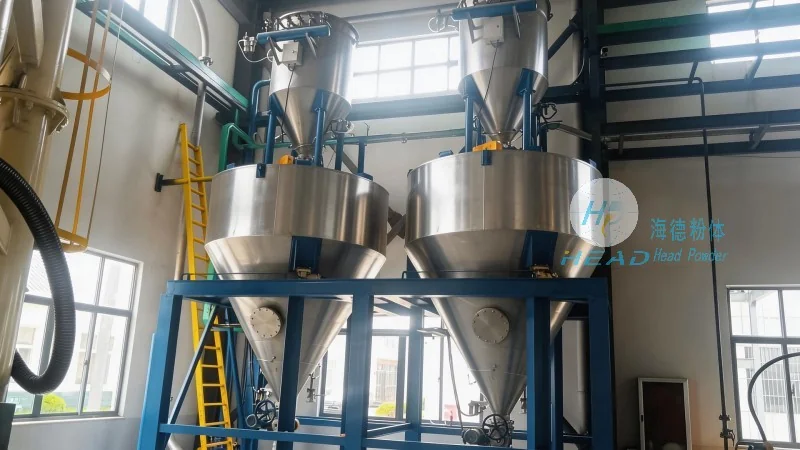
The glass-blasted bead powder pneumatic conveying line is a sophisticated system designed to transport fine powders, such as glass-blasted beads, through an air-driven mechanism. This technology offers a cost-effective and efficient alternative to traditional mechanical conveying methods, minimizing material loss and operational downtime. The system integrates advanced components, including high-efficiency air pumps, specialized pipelines, and precise control valves, ensuring consistent and reliable material transport.

Working Principle of the Pneumatic Conveying System
The operation of the glass-blasted bead powder pneumatic conveying line relies on the fundamental principle of air flow to move powder particles. As compressed air is introduced into the conveying line, it creates a low-pressure zone that draws the powder from the source container into the pipeline. The air and powder mixture travels through the system, with the air providing the necessary force to propel the beads while maintaining a stable flow rate. The system's design includes features like air filtration and pressure regulation to ensure optimal performance and prevent particle degradation or clogging. This pneumatic approach eliminates the need for mechanical components like belts or screws, reducing maintenance requirements and enhancing safety in industrial environments.
Key Characteristics and Application Scenarios
The glass-blasted bead powder pneumatic conveying line is particularly suited for industrial settings where fine powders need to be transported over medium to long distances with minimal disruption. Common applications include construction material processing, insulation manufacturing, and chemical processing facilities. The system's flexibility allows it to handle varying particle sizes and flow rates, making it adaptable to different production scales. Additionally, the enclosed pipeline design reduces dust emissions and improves workplace safety, aligning with modern industrial standards. The system's energy efficiency and low operational costs further enhance its appeal for businesses seeking sustainable and cost-effective material handling solutions.