

Principle and Working Scene Characteristics of Tungsten Carbide Material Handling Equipment
HeadPowder, a leading manufacturer based in Shandong, China, specializes in the design and production of high-performance tungsten carbide material handling equipment. Our products are engineered to meet the demanding requirements of various industrial applications, ensuring reliability, efficiency, and durability in material transport processes.
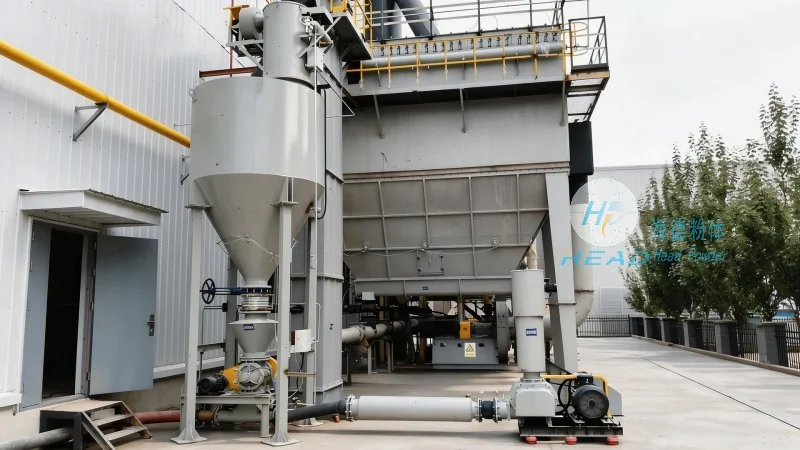
Principle of Tungsten Carbide Material Handling Equipment
Tungsten carbide material handling equipment operates on the principle of utilizing robust, wear-resistant components to efficiently transport materials in industrial settings. The core mechanism involves a combination of mechanical systems, such as conveyor belts, rollers, or screw conveyors, which are constructed with tungsten carbide components to enhance durability and performance. These components are designed to withstand high loads and abrasive conditions, making them ideal for handling tungsten carbide powders and other heavy-duty materials. The equipment's design focuses on minimizing friction and wear, thereby extending operational life and reducing maintenance costs. By integrating advanced materials and engineering techniques, our systems ensure consistent and reliable material transport, supporting seamless production workflows in industries like metallurgy, mining, and manufacturing.

Working Scene Characteristics of Tungsten Carbide Material Handling Equipment
The working scene characteristics of tungsten carbide material handling equipment are tailored to meet the specific demands of industrial environments. These systems are typically deployed in settings where material handling involves high abrasion, heavy loads, and continuous operation. For instance, in metallurgical plants, the equipment is used to transport raw tungsten carbide powders and intermediates, where the material's hardness and density require specialized handling solutions. In mining operations, the equipment may be employed to move crushed tungsten ore or processed tungsten carbide products, ensuring safe and efficient material movement. The equipment's design also considers factors like space constraints, environmental conditions, and safety regulations, making it adaptable to diverse industrial scenarios. Additionally, the working scene often involves integration with other production equipment, such as grinding mills or sintering furnaces, to form a cohesive material handling system. This integration enhances overall operational efficiency and reduces downtime, as materials are transferred smoothly between processes.
Key Features and Advantages in Material Handling
Our tungsten carbide material handling equipment offers several key features that set it apart in the industry. The primary advantage is the exceptional wear resistance of tungsten carbide, which significantly reduces the need for frequent replacements and maintenance. This durability translates into lower operational costs and higher productivity over the equipment's lifespan. Additionally, the equipment is designed for high load capacity, allowing it to handle large volumes of material without compromising performance. The mechanical systems, such as conveyor belts or screw conveyors, are engineered for smooth and consistent material flow, minimizing blockages and ensuring reliable transport. Another critical feature is the precision in material handling, which is essential for maintaining product quality, especially in applications where material purity and consistency are paramount. The equipment's design also incorporates safety features, such as protective enclosures and emergency stop mechanisms, to ensure operator safety during operation. These features collectively contribute to a safer and more efficient material handling process, aligning with industry standards and regulations.

Application Examples and Industry Impact
Tungsten carbide material handling equipment is widely used in various industrial applications, demonstrating its versatility and effectiveness. In the metallurgical industry, the equipment is crucial for transporting tungsten carbide powders from grinding mills to sintering furnaces, where the material is processed into final products like cutting tools or wear-resistant components. The high wear resistance of tungsten carbide ensures that the conveyor systems can withstand the abrasive nature of the powders, maintaining their structural integrity over extended periods. In mining operations, the equipment is employed to move crushed tungsten ore from extraction sites to processing facilities, facilitating the efficient extraction and processing of tungsten resources. The equipment's ability to handle heavy loads and abrasive materials makes it an indispensable tool in the mining sector, where productivity and durability are critical. Furthermore, in manufacturing plants that produce tungsten carbide products, the equipment is used to transport finished goods or intermediate products between different production stages, ensuring a streamlined workflow. The consistent performance of our material handling systems helps in reducing production delays and improving overall output, contributing to the growth and efficiency of industrial operations.