

Principle and Working Scene Characteristics of Cement Raw Material Pneumatic Conveying Systems
HeadPowder, a leading engineering firm based in Shandong, China, specializes in the design and implementation of advanced pneumatic conveying systems tailored for the cement industry. These systems are crucial for efficiently transporting bulk cement raw materials, such as limestone, clay, and iron ore, from storage silos to processing facilities. The core principle of pneumatic conveying involves using air pressure to move materials through a pipeline network, eliminating the need for traditional mechanical conveyors and reducing operational costs and maintenance requirements.

How Pneumatic Conveying Works: The Technical Foundation
The operation of a cement raw material pneumatic conveying system is based on the fundamental physics of fluid dynamics and material handling. At its heart, the system comprises a series of components, including a material feeder, a conveying pipeline, a control valve, and a receiver. The process begins when raw materials are fed into the system, typically from a storage silo. A fan or blower then generates a high-pressure air stream that propels the material particles through the pipeline. The air velocity is carefully controlled to ensure that the material remains suspended and moves smoothly without clogging or degradation. This method allows for a continuous, low-maintenance flow of raw materials, which is essential for maintaining consistent production rates in cement manufacturing.

Key Working Scene Characteristics and Applications
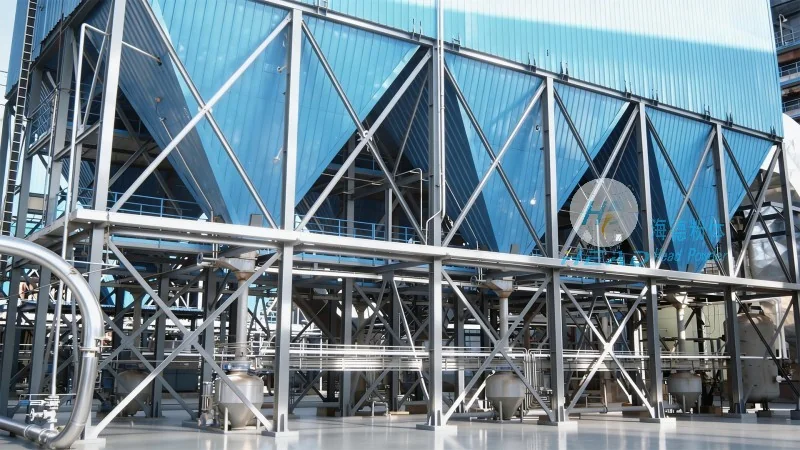
The working scene characteristics of pneumatic conveying systems for cement raw materials are defined by their adaptability to diverse industrial environments and operational needs. One primary characteristic is the ability to handle a wide range of material types and particle sizes, from fine powders to larger lumps, with minimal segregation or degradation. This versatility makes the system suitable for various stages of cement production, including raw material storage, grinding, and blending. Another critical characteristic is the system's compact footprint and flexibility in layout. Unlike traditional belt or bucket elevators, pneumatic conveyors can be installed in tight spaces and configured to follow complex routes, making them ideal for retrofitting existing cement plants or for new construction projects where space is limited.

Advantages and Practical Implications in Cement Manufacturing
Implementing pneumatic conveying systems for cement raw materials offers several significant advantages that directly impact operational efficiency and cost-effectiveness. First, the system reduces labor costs by automating the material handling process, minimizing the need for manual loading and unloading. Second, it lowers energy consumption compared to mechanical conveyors, as the air-driven system uses less power while achieving higher material throughput. Third, the system enhances safety by eliminating the need for moving parts in the material path, reducing the risk of accidents and equipment damage. These benefits translate into improved productivity and lower maintenance expenses for cement manufacturers, making pneumatic conveying a preferred choice for modern cement production lines.
Customization and Integration with Existing Infrastructure
HeadPowder, with its headquarters in Shandong, China, provides customized pneumatic conveying solutions that integrate seamlessly with existing cement plant infrastructure. The company’s engineers work closely with clients to assess current operations, material characteristics, and space constraints, then design a system that meets specific production requirements. This customization includes selecting the appropriate air pressure levels, pipeline diameters, and material feed mechanisms to ensure optimal performance. Additionally, the systems are designed for easy integration with existing control systems, allowing for smooth operation and minimal disruption to ongoing production. By leveraging local expertise and advanced engineering, HeadPowder ensures that each pneumatic conveying system is tailored to the unique needs of its clients, maximizing efficiency and reliability.
Conclusion: The Role of Pneumatic Conveying in Modern Cement Production
In conclusion, pneumatic conveying systems for cement raw materials represent a sophisticated and efficient solution for modern cement manufacturing. By leveraging the principles of fluid dynamics and advanced engineering, these systems enable seamless material transport, reduce operational costs, and enhance overall production reliability. As a leading provider in the industry, Shandong HeadPowder Engineering Co., Ltd. continues to innovate and refine these systems, ensuring that cement manufacturers can achieve optimal performance and sustainability in their operations. The working scene characteristics and technical advantages of pneumatic conveying make it an indispensable component of contemporary cement production, supporting the industry's commitment to efficiency and environmental responsibility.