

Working Principle and Features of Sodium Hydroxide Material Pneumatic Conveying Equipment
For industrial applications involving sodium hydroxide (NaOH), efficient material handling is crucial to ensure smooth production processes and maintain operational efficiency. The pneumatic conveying system, specifically designed for sodium hydroxide material, offers a reliable solution that addresses the unique challenges associated with handling this caustic substance. This article delves into the working principle and key features of such equipment, highlighting how it enhances safety, productivity, and overall operational performance in industrial settings.

HeadPowder, a leading manufacturer based in Shandong, China, specializes in the design and production of advanced pneumatic conveying systems tailored to meet the demands of various industries. With a strong commitment to quality and innovation, the company has developed state-of-the-art solutions that ensure safe and efficient transport of sodium hydroxide, a critical chemical used in manufacturing, cleaning, and other industrial processes.
The Working Principle of Sodium Hydroxide Pneumatic Conveying Equipment
The core mechanism of a sodium hydroxide pneumatic conveying system revolves around the use of air or gas to transport the material from one location to another. The process typically involves several key components, including a hopper for material storage, a conveyor line, and a control system that regulates the flow of both material and air. As the sodium hydroxide is fed into the hopper, a fan or blower generates a flow of air that draws the material into the conveyor line. The air flow then carries the material through the pipeline, ensuring it reaches the destination point without the need for mechanical components like belts or buckets.
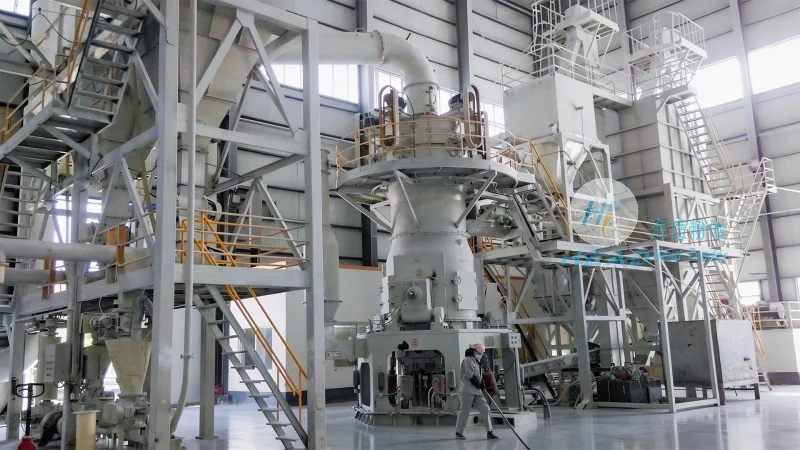
One of the primary advantages of this system is its ability to handle sodium hydroxide in a dust-free environment, minimizing the risk of exposure to the caustic substance. The enclosed design of the conveying equipment prevents dust from escaping into the workplace, thereby enhancing safety for operators and reducing the potential for environmental contamination. Additionally, the system operates with minimal maintenance requirements, as there are no moving parts in direct contact with the material, which reduces wear and tear and extends the equipment's lifespan.
Key Features of Sodium Hydroxide Pneumatic Conveying Equipment
Several distinctive features make the pneumatic conveying system for sodium hydroxide an ideal choice for industrial applications. Firstly, the system is highly flexible, allowing for easy integration into existing production lines or new setups. This adaptability is particularly beneficial for facilities that may need to expand or modify their material handling processes over time.

Secondly, the equipment is designed with safety as a top priority. The enclosed design prevents accidental spills or leaks, while the control system ensures that the air flow and material feed are synchronized to avoid overloading or underfeeding. This not only protects the operators but also maintains the quality of the sodium hydroxide by preventing contamination from external sources.
Thirdly, the system offers superior efficiency in terms of energy consumption and material transport speed. By utilizing air as the primary transport medium, the equipment can move large quantities of sodium hydroxide quickly and with minimal energy input. This efficiency translates into cost savings for the end-user, as less energy is required to achieve the desired throughput.
Applications and Benefits in Industrial Settings
The sodium hydroxide pneumatic conveying equipment is widely used in various industries, including chemical manufacturing, food processing, and pharmaceuticals. In chemical plants, it is essential for transporting sodium hydroxide to reactors or storage tanks, ensuring a continuous supply of the chemical for production. In food processing facilities, the system helps maintain hygiene standards by keeping the material enclosed and preventing cross-contamination with other products.

Moreover, the equipment's ability to handle sodium hydroxide in a controlled environment reduces the risk of accidents and health hazards associated with handling the substance manually. This is particularly important in industries where worker safety is a critical concern. By automating the material transport process, the system also reduces the need for manual labor, leading to increased productivity and reduced operational costs.
Conclusion and Company Overview
In conclusion, the pneumatic conveying system for sodium hydroxide is a sophisticated and efficient solution that addresses the unique challenges of handling this caustic material. Its working principle, which relies on air to transport the material, combined with its key features such as flexibility, safety, and energy efficiency, makes it an indispensable asset for industrial operations. HeadPowder, with its headquarters in Shandong, China, continues to lead the industry in providing high-quality pneumatic conveying equipment tailored to meet the specific needs of its clients. By investing in such advanced systems, industrial facilities can enhance their operational performance, ensure worker safety, and achieve long-term cost savings.