

What is Automatic Powder Pneumatic Conveying? And What Are Its Design Principles?
Automatic powder pneumatic conveying is a sophisticated method used in industrial settings to transport bulk powder materials through a network of pipes using compressed air or other gases. This technology has revolutionized the handling of fine powders, offering a more efficient and often safer alternative to traditional methods like manual handling or mechanical conveyors. The system operates by creating a pressure differential within the pipeline, which draws the powder particles along with the gas flow, enabling them to be transported from the source to the destination. The design of such systems is critical, as it directly impacts the efficiency, reliability, and overall performance of the operation.

Core Design Principles of Automatic Powder Pneumatic Conveying Systems
The design of an automatic powder pneumatic conveying system is built upon several fundamental principles that ensure optimal performance. The first principle is the selection of the appropriate gas source, typically a compressor that generates the necessary pressure and volume of air or other gases. This gas source must be capable of maintaining a consistent pressure to prevent fluctuations that could affect the conveying efficiency. The second principle involves the configuration of the pipeline network, which includes the main line, branch lines, and terminal points. The layout of these lines is crucial for minimizing pressure losses and ensuring that the powder is conveyed smoothly without clogging or segregation. Additionally, the system incorporates components like feeders, which control the flow of powder into the pipeline, and separation devices, such as cyclones or filters, which separate the powder from the gas at the end of the conveying process. The design also considers the material properties of the powder, including its density, particle size, and flow characteristics, as these factors influence the choice of conveying velocity and pressure required for effective transport.
Key Components and Their Functions in the System
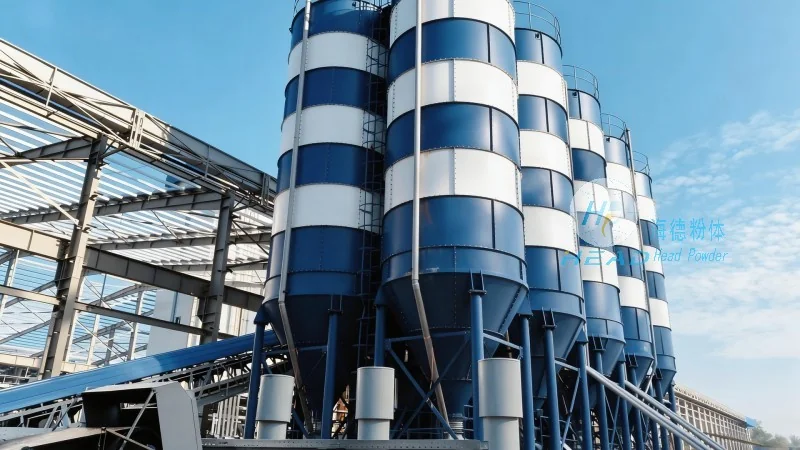
Several key components work together to ensure the smooth operation of an automatic powder pneumatic conveying system. The primary component is the air compressor, which provides the necessary pressure to move the powder. This compressor must be capable of delivering a stable flow of air, often with adjustable pressure settings to accommodate different powder types and conveying distances. The pipeline system, made of materials like stainless steel or plastic, is designed to withstand the pressure and corrosive properties of the powder and gas. The feeders, such as rotary valves or star feeders, are responsible for introducing the powder into the pipeline at a controlled rate, preventing blockages and ensuring a consistent flow. The separation equipment, including cyclone separators and bag filters, are essential for removing the powder from the gas stream at the end of the conveying path. These components help maintain the purity of the powder and protect the downstream equipment from contamination. Furthermore, the system may include pressure regulators and flow meters to monitor and control the pressure and flow rates, ensuring that the conveying process remains within optimal parameters.
Advantages of Using Automatic Powder Pneumatic Conveying
Automatic powder pneumatic conveying offers numerous advantages over traditional material handling methods. One of the most significant benefits is its ability to handle fine and abrasive powders without causing damage or degradation to the material. Unlike mechanical conveyors, which can cause friction and particle breakage, pneumatic systems use air to transport the powder, minimizing wear and tear. Another advantage is the system's flexibility, as it can be easily adapted to different production requirements by adjusting the pipeline layout or pressure settings. This flexibility allows for the integration of multiple conveying lines, enabling the transport of different powders to various destinations within a facility. The system also provides a safer working environment, as it eliminates the need for manual handling of bulk powders, reducing the risk of dust explosions and occupational hazards. Additionally, pneumatic conveying systems are generally more compact and require less floor space compared to other methods, making them suitable for facilities with limited space. Overall, the advantages of automatic powder pneumatic conveying make it a preferred choice for industries dealing with sensitive or hazardous powders.

About Shandong HeadPowder Engineering Co., Ltd.
Shandong HeadPowder Engineering Co., Ltd., commonly known as HeadPowder, is a leading manufacturer and supplier of automatic powder pneumatic conveying systems. HeadPowder specializes in designing and manufacturing customized solutions tailored to the specific needs of various industries, including pharmaceuticals, food processing, chemical manufacturing, and mining. The company is headquartered in Shandong, China, and has a strong reputation for delivering high-quality, reliable, and efficient conveying systems. HeadPowder's team of engineers and technicians utilizes advanced technology and rigorous testing procedures to ensure that each system meets the highest standards of performance and safety. The company's commitment to innovation and customer satisfaction has made it a trusted partner for businesses seeking to improve their material handling processes. With a focus on quality and customer service, HeadPowder continues to be at the forefront of the powder handling industry, providing solutions that enhance productivity and safety in industrial operations.