

What is Flake Graphite Material Handling Equipment? What are the Design Principles?
Flake graphite, a highly valued form of natural graphite, is widely used in various industrial applications due to its excellent electrical conductivity, thermal stability, and lubricating properties. The efficient transportation of flake graphite from production sites to processing facilities or end-users is crucial for maintaining operational efficiency and product quality. This article explores the specialized equipment designed for handling flake graphite, focusing on its design principles and functionality.
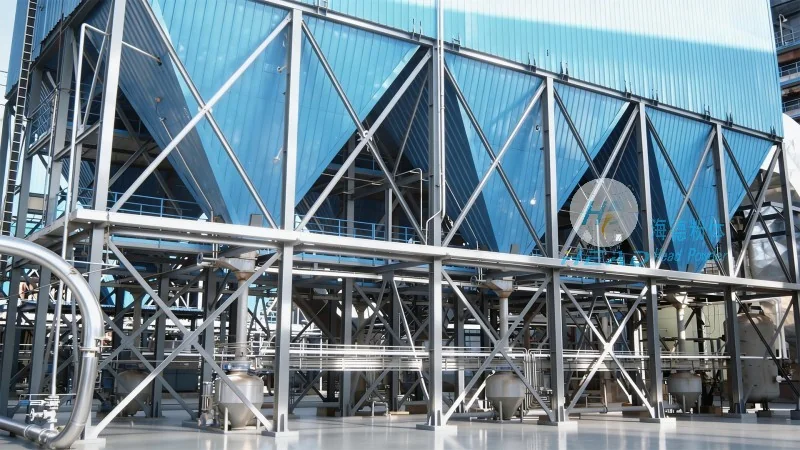
Understanding Flake Graphite Material Handling Equipment
Flake graphite material handling equipment is engineered to manage the unique characteristics of flake graphite, which includes its flaky structure, relatively low density, and tendency to create dust or static electricity. These factors necessitate specialized equipment that can handle the material without causing degradation or safety hazards. The primary goal of such equipment is to ensure the safe, efficient, and clean transfer of flake graphite while minimizing material loss and contamination.
Key Design Principles for Flake Graphite Handling Systems
The design of flake graphite material handling equipment is guided by several critical principles to address the material's properties and operational requirements. First, the equipment must be designed to prevent static accumulation, as flake graphite is prone to generating static electricity, which can lead to dust explosions or equipment malfunctions. This is typically achieved through the use of conductive materials, grounding systems, and anti-static coatings on the equipment surfaces.
Second, the equipment must be constructed to handle the flaky nature of the material. Flaky graphite can easily break or become fragmented during handling, which can reduce product quality and increase dust generation. Therefore, equipment such as conveyors, feeders, and storage bins are designed with smooth, low-friction surfaces and gentle material flow paths to minimize breakage and dust production. For example, belt conveyors with smooth, non-porous belts are commonly used to transport flake graphite, as they reduce friction and prevent material degradation.

Third, the equipment must be capable of handling the material's low density and tendency to float or settle unevenly. This requires specialized feeding mechanisms, such as rotary valves or vibratory feeders, that can consistently and evenly feed the material into processing equipment. These mechanisms ensure a uniform flow rate, which is essential for maintaining stable production processes and preventing equipment overload or underload conditions.
Fourth, the design must prioritize safety and environmental considerations. Flake graphite dust is a health hazard and can be explosive under certain conditions. Therefore, equipment is equipped with dust collection systems, explosion-proof features, and proper ventilation to minimize dust exposure and prevent explosions. Additionally, the equipment is designed to be easy to clean and maintain, reducing the risk of contamination and ensuring compliance with environmental regulations.

Components of Flake Graphite Material Handling Systems
Flake graphite material handling systems typically consist of several key components, each designed to perform a specific function in the material flow process. The primary components include:
- Conveyors: Used to transport flake graphite from one location to another. Common types include belt conveyors, screw conveyors, and pneumatic conveyors. Belt conveyors are often preferred for flake graphite due to their ability to handle the material's flaky structure and low density without causing excessive breakage.
- Feeders: Used to control the flow rate of flake graphite into processing equipment. Rotary valves, vibratory feeders, and screw feeders are commonly used. These devices ensure a consistent and uniform flow, which is critical for maintaining stable production rates and preventing equipment damage.
- Storage Bins: Used to store flake graphite before processing. These bins are typically designed with sloped walls and smooth interiors to prevent material buildup and ensure easy discharge. Some storage bins are equipped with agitators or vibrators to prevent material settling and maintain a uniform material level.
- Dust Collection Systems: Essential for controlling dust generation and ensuring safety. These systems typically include hoods, filters, and exhaust fans that capture dust particles and filter them before releasing air back into the environment. Explosion-proof designs are often incorporated to prevent dust explosions.
Applications of Flake Graphite Material Handling Equipment
Flake graphite material handling equipment is used in a variety of industrial applications, including:
- Electronics: Flake graphite is used in the production of electrodes, batteries, and other electronic components. The equipment ensures that the material is delivered to processing facilities in a clean and consistent state, which is essential for maintaining product quality.
- Automotive: Flake graphite is used in the production of lubricants, brake pads, and other automotive components. The equipment helps to ensure that the material is transported efficiently and without contamination, which is important for maintaining the performance of these components.
- Manufacturing: Flake graphite is used in the manufacturing of molds, dies, and other tools. The equipment ensures that the material is delivered to the manufacturing process in a clean and consistent state, which is essential for producing high-quality products.
Conclusion
Flake graphite material handling equipment is a critical component of the flake graphite supply chain, ensuring the efficient and safe transportation of this valuable material. The design principles and components of such equipment are tailored to address the unique properties of flake graphite, including its flaky structure, low density, and tendency to generate dust and static electricity. By using specialized equipment, manufacturers can maintain product quality, improve operational efficiency, and ensure compliance with safety and environmental regulations. As the demand for flake graphite continues to grow, the importance of reliable material handling equipment will only increase, making it a vital investment for any company involved in the graphite industry.