

Principle of Gravity Dust Removal Pneumatic Conveying System
Gravity dust removal pneumatic conveying systems represent a sophisticated approach to handling and transporting fine particulate materials, particularly in industrial settings where dust control and material transport efficiency are critical. The core principle of these systems revolves around the use of gravity to separate dust from the conveying air stream, coupled with pneumatic technology to move the material through a network of pipes and equipment. This method is widely adopted in industries such as cement, chemical, and food processing, where the need to manage dust while ensuring reliable material transport is paramount.
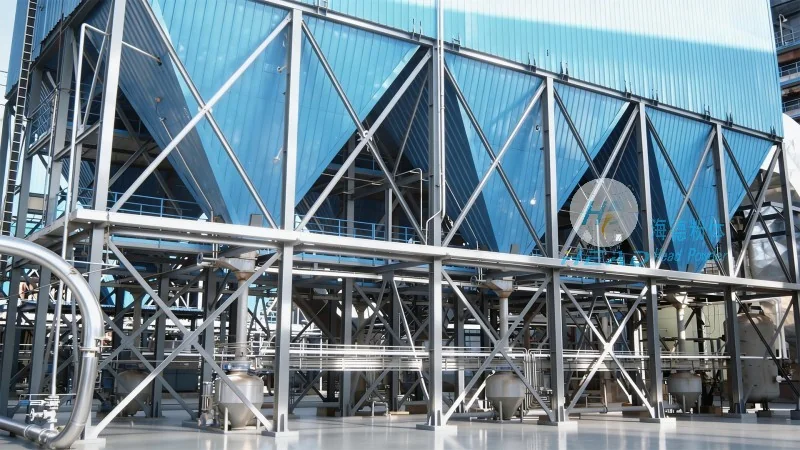
Core Components and Operational Principle
The gravity dust removal system typically consists of several key components that work in tandem to achieve efficient material handling. The primary components include a dust separator, a conveying line, a material feed hopper, and a control system. The operational principle begins with the material being fed into the hopper. As the material enters the system, it is introduced into the conveying air stream. The air, often under pressure or suction, carries the material through the pipeline. The dust separator, positioned along the conveying line, uses gravity to separate the fine dust particles from the air and the bulk material. This separation is achieved through a series of chambers or cyclones where the heavier dust particles settle due to gravity, while the lighter material and air continue along the conveying path.
Advantages of Gravity Dust Removal Pneumatic Conveying
One of the significant advantages of this system is its ability to effectively control dust emissions, which is crucial for maintaining compliance with environmental regulations and ensuring workplace safety. By separating dust from the conveying air, the system reduces the amount of particulate matter released into the environment, thereby minimizing the risk of air pollution and health hazards associated with fine dust. Additionally, the use of gravity in the separation process enhances the efficiency of material recovery, as the separated dust can be collected and reintegrated into the production process or disposed of appropriately. This not only improves operational efficiency but also contributes to cost savings by reducing material loss.

Application in Industrial Processes
Gravity dust removal pneumatic conveying systems are widely applied in various industrial processes where the handling of fine powders and dust is a common challenge. In the cement industry, for example, these systems are used to transport raw materials such as limestone and clay from storage silos to the production line, while effectively managing dust generated during the process. In the chemical industry, they are employed to convey powders like chemicals and pigments, ensuring that the material is transported without contamination and that dust emissions are controlled. Similarly, in the food processing industry, these systems are utilized to handle powders like flour and sugar, maintaining hygiene standards and preventing cross-contamination. The versatility of the system allows it to adapt to different material properties and process requirements, making it a reliable solution for diverse industrial applications.
Technical Specifications and Performance
The performance of a gravity dust removal pneumatic conveying system is influenced by several technical specifications that are tailored to the specific material being handled and the operational conditions. Key specifications include the conveying capacity, which determines the volume of material that can be transported per unit time; the pressure or suction level, which affects the velocity of the air and the material flow; and the system's efficiency in dust separation, which is measured by the percentage of dust captured and the quality of the conveyed material. Advanced systems may incorporate features such as variable speed drives, which allow for adjustments to the conveying rate based on the material's flow characteristics, and automatic control systems that monitor and regulate the process parameters to ensure optimal performance. These technical aspects are crucial for achieving high efficiency and reliability in material transport while maintaining effective dust control.

Maintenance and Operational Considerations
Proper maintenance is essential to ensure the long-term performance and reliability of gravity dust removal pneumatic conveying systems. Regular maintenance activities include cleaning the dust separator and conveying lines to prevent clogging, inspecting the material feed hopper and valves for wear and tear, and checking the air filtration system to ensure it is functioning correctly. Additionally, monitoring the system's performance parameters, such as pressure drops and material flow rates, helps in identifying potential issues before they lead to system failures. Operational considerations also include the selection of appropriate materials for the system components, such as corrosion-resistant materials for handling aggressive chemicals, and the proper sizing of the conveying line to match the material's flow characteristics. By adhering to regular maintenance schedules and following operational guidelines, the system can operate efficiently and maintain its performance over an extended period.
Conclusion
Gravity dust removal pneumatic conveying systems offer a robust and efficient solution for handling fine particulate materials while effectively controlling dust emissions. The integration of gravity separation with pneumatic conveying technology provides a reliable method for transporting materials in various industrial applications, contributing to improved operational efficiency, environmental compliance, and workplace safety. As industries continue to demand higher standards of material handling and dust control, these systems remain a key component in modern industrial processes. With proper design, installation, and maintenance, gravity dust removal pneumatic conveying systems can deliver consistent performance and contribute to the overall success of industrial operations.