

Polyvinyl Butyral Pneumatic Conveying Technology: In-Depth Analysis of Vacuum and Positive Pressure
For industries dealing with Polyvinyl Butyral (PVB), efficient material handling is crucial to maintain production efficiency and product quality. Pneumatic conveying technology offers a versatile solution for transporting PVB, with both vacuum and positive pressure systems providing distinct advantages depending on the application requirements. This article delves into the technical aspects of PVB pneumatic conveying, exploring the principles, benefits, and practical applications of vacuum and positive pressure systems.
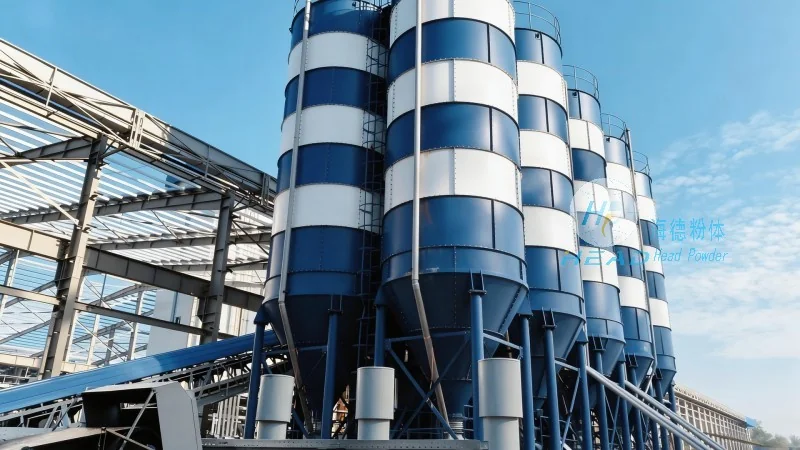
Shandong HeadPowder Engineering Co., Ltd., a leading provider of material handling solutions, specializes in designing and implementing advanced pneumatic conveying systems tailored to the needs of PVB processing facilities. With years of experience in the industry, the company has developed expertise in optimizing conveying processes for PVB, ensuring reliable and efficient material transport from storage to processing units.
One of the primary challenges in PVB handling is the material's hygroscopic nature and sensitivity to moisture, which can affect its optical and mechanical properties. Pneumatic conveying systems, particularly those that minimize material exposure to the environment, are ideal for preserving PVB quality. The choice between vacuum and positive pressure systems depends on factors such as material characteristics, distance, and the need for containment and dust control.
Vacuum Pneumatic Conveying Systems for PVB
Vacuum pneumatic conveying systems operate by creating a negative pressure environment that draws PVB particles from a source, such as a hopper or storage bin, into a conveying line. This method is particularly effective for short to medium-distance transport and when the material is stored in enclosed containers. The system typically consists of a vacuum pump, a conveying line, and a receiver where the PVB is deposited.
The key components of a vacuum PVB conveying system include the vacuum source, which may be a rotary vane pump or a liquid ring pump, and the conveying line, which is usually made of stainless steel or other corrosion-resistant materials to prevent contamination. The system's design must consider the material's flow properties, as PVB can be prone to bridging or agglomeration in hoppers, requiring proper hopper design and possibly aeration or vibration to ensure smooth flow.

Advantages of vacuum PVB conveying include its ability to handle materials from multiple sources simultaneously, as the vacuum can be applied to several hoppers connected to a common line. This allows for flexible material handling and reduces the need for multiple transfer points. Additionally, vacuum systems are generally quieter and produce less noise compared to positive pressure systems, making them suitable for applications where noise control is a priority.
However, vacuum systems have limitations, particularly when transporting PVB over long distances or through complex layouts. The pressure drop in the conveying line increases with distance, which may require larger vacuum pumps or additional boosters to maintain sufficient suction. Furthermore, the system's capacity is limited by the vacuum pump's capacity, and high material moisture content can reduce the efficiency of vacuum conveying due to increased air resistance.
Positive Pressure Pneumatic Conveying Systems for PVB
Positive pressure pneumatic conveying systems, on the other hand, use compressed air to push PVB particles through a conveying line. This method is more suitable for long-distance transport and when the material needs to be transported through complex networks or elevated routes. The system typically includes a blower or compressor, a conveying line, and a receiver where the PVB is deposited.
The components of a positive pressure PVB conveying system include the air supply unit, which may be a rotary lobe blower or a centrifugal compressor, and the conveying line, which is often made of flexible or rigid tubing depending on the application. The system's design must account for the material's particle size and density, as larger particles may require higher air velocities to prevent blockages. Proper line sizing and air velocity selection are critical to ensure efficient and reliable transport.
Advantages of positive pressure PVB conveying include its ability to handle long distances and complex layouts, as the pressure can be maintained throughout the entire system. The system is also more robust in handling high moisture content materials, as the compressed air helps to dry the material and reduce air resistance. Additionally, positive pressure systems can be equipped with dust collection and filtration systems to ensure environmental compliance and product purity.

However, positive pressure systems have their own challenges. The high air velocity required for long-distance transport can lead to increased energy consumption and higher operating costs. The system also requires proper sealing and maintenance to prevent air leaks, which can reduce efficiency and increase noise levels. Furthermore, the material's hygroscopic nature may require additional drying steps before or during the conveying process to prevent moisture-related issues.
Comparative Analysis: Vacuum vs. Positive Pressure PVB Conveying
When selecting between vacuum and positive pressure pneumatic conveying systems for PVB, several factors must be considered. The primary considerations include the distance of transport, the material's flow properties, the need for containment and dust control, and the overall system cost. A vacuum system is generally preferred for short to medium distances and when the material is stored in enclosed containers, while a positive pressure system is more suitable for long distances and complex layouts.
Another important factor is the material's moisture content and hygroscopic nature. Vacuum systems may be less effective with high moisture content PVB, as the moisture can increase air resistance and reduce conveying efficiency. Positive pressure systems, with their ability to dry the material during transport, are often more suitable for such applications. Additionally, the system's noise level and environmental impact should be considered, as vacuum systems are generally quieter and produce less dust compared to positive pressure systems.
Cost is also a significant factor in the selection process. Vacuum systems typically have lower initial costs due to the simpler equipment required, but may have higher operating costs due to the energy consumption of the vacuum pump. Positive pressure systems have higher initial costs due to the need for a blower or compressor, but may have lower operating costs for long-distance transport. The overall cost-effectiveness of each system depends on the specific application and the volume of PVB being transported.
Application Examples and Best Practices
PVB pneumatic conveying systems are widely used in various industries, including automotive, construction, and optical manufacturing. In the automotive industry, PVB is used as a interlayer in safety glass, and efficient conveying is essential to maintain the quality of the glass. Shandong HeadPowder Engineering Co., Ltd. has implemented vacuum and positive pressure systems in automotive glass manufacturing plants, ensuring reliable transport of PVB from storage to the laminating line.

In the construction industry, PVB is used in adhesives and sealants, and pneumatic conveying systems help to transport the material to mixing and dispensing units. The company has designed custom systems for construction material manufacturers, incorporating features such as dust collection and material drying to meet industry standards.
In optical manufacturing, PVB is used in lenses and other optical components, and the material's quality is critical. The company's systems are designed to minimize material exposure to the environment, with vacuum conveying being preferred for short-distance transport and positive pressure systems for longer distances. Proper maintenance and cleaning of the conveying line are essential to prevent contamination and ensure product purity.
Best practices for PVB pneumatic conveying include regular maintenance of the system components, such as the vacuum pump or blower, to ensure optimal performance. The conveying line should be inspected regularly for wear and tear, and any blockages or leaks should be addressed promptly. Additionally, the material should be stored in a dry, well-ventilated area to minimize moisture content, which can affect the conveying efficiency and material quality.
Conclusion
Pneumatic conveying technology offers a reliable and efficient solution for handling Polyvinyl Butyral (PVB), with both vacuum and positive pressure systems providing distinct advantages depending on the application requirements. Shandong HeadPowder Engineering Co., Ltd. has extensive experience in designing and implementing these systems, ensuring that PVB processing facilities can maintain high production efficiency and product quality. By understanding the technical aspects of vacuum and positive pressure conveying, manufacturers can select the most appropriate system for their needs and optimize their material handling processes.