

Limestone Magnesia Powder Pneumatic Conveying Technology: In-Depth Analysis of Negative Pressure and
HeadPowder, a leading engineering firm based in Shandong, China, specializes in advanced pneumatic conveying solutions tailored for limestone magnesia powder. This article provides a comprehensive exploration of negative pressure and positive pressure pneumatic conveying technologies, detailing their applications, advantages, and practical implementation for efficient material handling in industrial settings.

Company Overview: HeadPowder Engineering
HeadPowder Engineering Co., Ltd. is a professional provider of pneumatic conveying systems, with a focus on customized solutions for various industrial powders, including limestone magnesia. Headquartered in Shandong, China, the company leverages decades of experience to deliver reliable, efficient, and cost-effective material transport solutions. Their expertise lies in designing systems that optimize performance while ensuring safety and compliance with industry standards.
Negative Pressure Pneumatic Conveying for Limestone Magnesia Powder
Negative pressure (or suction) pneumatic conveying systems are widely used for transporting limestone magnesia powder from storage silos to processing equipment. This method operates by creating a low-pressure zone at the material inlet, drawing the powder into the conveying line using a vacuum pump. The primary advantage of negative pressure systems is their ability to handle fine powders without causing excessive dust generation, as the suction action pulls material directly from the source. HeadPowder’s negative pressure solutions often incorporate features such as cyclone separators and filter bags to ensure minimal air leakage and maintain air quality. These systems are particularly suitable for applications where the powder is stored in silos or hoppers, requiring a gentle and controlled transport process.
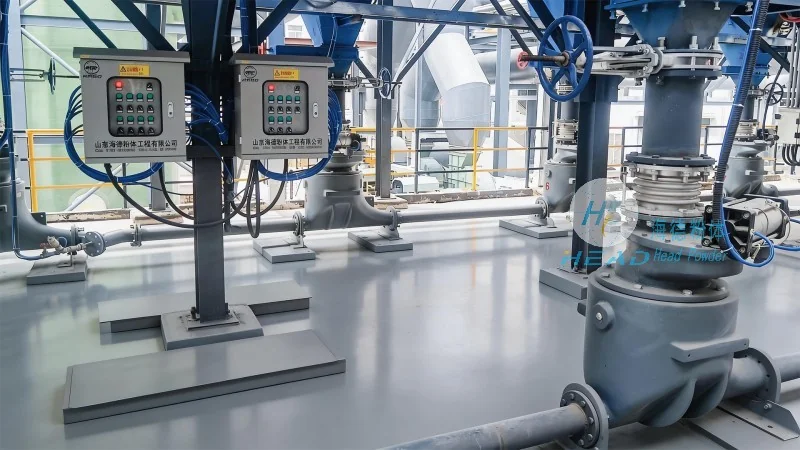
Positive Pressure Pneumatic Conveying for Limestone Magnesia Powder
Positive pressure (or pressure) pneumatic conveying systems use compressed air to push limestone magnesia powder through the conveying line. Unlike negative pressure systems, which rely on suction, positive pressure systems generate high-pressure air to force the material forward. This method is ideal for long-distance or high-capacity transport, as it can handle larger volumes and maintain consistent flow rates. HeadPowder’s positive pressure solutions typically include robust blower units, flexible hoses, and inline filters to prevent clogging and ensure smooth operation. The system’s design allows for easy integration with existing production lines, making it a versatile choice for industries requiring efficient material transfer from multiple sources.
Comparative Analysis: Negative vs. Positive Pressure Conveying
When selecting a pneumatic conveying system for limestone magnesia powder, understanding the differences between negative and positive pressure methods is crucial. Negative pressure systems excel in applications where dust control and gentle handling are priorities, such as in food or pharmaceutical industries. They are also suitable for short-distance transport from silos to processing equipment. Conversely, positive pressure systems are preferred for long-distance, high-volume transport, where the need for consistent flow and minimal material degradation is critical. HeadPowder engineers often recommend a hybrid approach, combining both negative and positive pressure components to address specific operational challenges, such as handling varying particle sizes or dealing with moisture content in the powder.

Practical Applications in Industrial Settings
HeadPowder’s pneumatic conveying solutions have been successfully implemented in various industrial applications involving limestone magnesia powder. For example, in a cement manufacturing plant, a negative pressure system was used to transport fine magnesia powder from storage silos to the raw material blending unit, reducing dust exposure and improving operational efficiency. In another case, a positive pressure system was employed to convey bulk magnesia powder over a distance of 500 meters to a processing facility, ensuring consistent material flow and minimizing downtime. These case studies highlight the adaptability of HeadPowder’s systems to diverse industrial needs, from small-scale processing to large-scale production.

Maintenance and Optimization Strategies
Proper maintenance is essential to ensure the longevity and efficiency of pneumatic conveying systems for limestone magnesia powder. HeadPowder recommends regular inspection of components such as cyclone separators, filters, and blower units to prevent clogging and air leaks. Additionally, monitoring air pressure and flow rates helps identify potential issues early, reducing the risk of system failure. The company also offers customized maintenance plans tailored to the specific requirements of each client, ensuring that the system operates at peak performance. By implementing these strategies, industrial facilities can maximize the lifespan of their equipment and minimize operational costs.
Conclusion
HeadPowder Engineering Co., Ltd. provides comprehensive pneumatic conveying solutions for limestone magnesia powder, leveraging both negative and positive pressure technologies to meet diverse industrial needs. Their expertise in system design, installation, and maintenance ensures that clients achieve efficient, reliable, and cost-effective material handling. Whether for short-distance transport or long-distance bulk conveying, HeadPowder’s solutions are tailored to optimize performance while maintaining safety and compliance with industry standards. With a focus on innovation and customer satisfaction, HeadPowder remains a trusted partner for industries relying on limestone magnesia powder in their production processes.