

Overview of Bulk Material Handling Systems: Introduction to Structural Principles and Operational Me
HeadPowder, a leading engineering company headquartered in Shandong, China, specializes in the design and implementation of efficient bulk material handling solutions. This article provides an overview of the key components and operational principles of bulk material handling systems, focusing on the structural design and functional aspects that ensure reliable material transport and storage. The focus here is on the core components, their integration, and how they contribute to efficient material transport and storage.

Key Components of Bulk Material Handling Systems
A typical bulk material handling system comprises several essential elements that work in tandem to manage the flow of powders and granules. The primary components include a storage hopper, a feeding mechanism, a conveying system, and a discharge unit. Each component plays a vital role in ensuring the smooth and controlled movement of materials.
The storage hopper, often designed with specific geometries like conical or rectangular shapes, is responsible for holding bulk materials. The design of the hopper significantly impacts the material flow characteristics, as factors such as angle of repose and wall friction determine how easily the material can be discharged. HeadPowder engineers carefully select hopper designs to minimize issues like bridging or rat-holing, which can disrupt material flow.
Feeding mechanisms, such as rotary valves or vibratory feeders, are used to regulate the flow rate of material from the hopper into the conveying system. These devices ensure a consistent and controlled supply of material, preventing overloading or underflow that could affect downstream processes. The choice of feeding equipment depends on the material properties, including particle size, density, and flowability.
The conveying system is the heart of the bulk material handling system, responsible for transporting the material from the hopper to the discharge point. There are two main types of conveying systems: pneumatic (air-assisted) and mechanical (e.g., screw conveyors, belt conveyors). Pneumatic systems use air pressure to move materials, while mechanical systems rely on mechanical force. HeadPowder specializes in both, offering tailored solutions based on the specific requirements of the application.
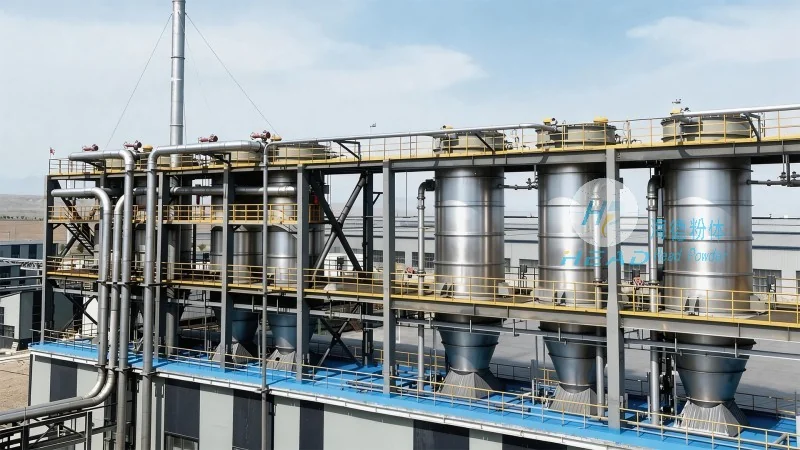
The discharge unit, typically located at the end of the conveying system, regulates the release of material into the next processing stage or storage container. Proper discharge design is crucial to prevent material buildup or blockages, ensuring continuous operation. HeadPowder’s expertise in system integration ensures that each component is optimized for the overall performance of the bulk material handling system.
Structural Principles and Operational Mechanisms
The structural principles of bulk material handling systems are based on the physics of material flow and the mechanics of conveying equipment. The design must account for factors like material density, particle size distribution, and the desired flow rate. For example, the hopper's angle of inclination is calculated to ensure that the material slides under gravity without requiring external force. This principle is fundamental to preventing stagnant zones that can lead to material degradation or caking.
In pneumatic conveying systems, the operational mechanism involves creating a pressure differential between the hopper and the discharge point. Air is introduced into the system, and the material is carried along with the air stream. The pressure and velocity of the air are carefully controlled to maintain the material in a suspended state, preventing particle separation or deposition. HeadPowder’s engineers use advanced fluid dynamics models to optimize the air flow and material transport, ensuring efficient and reliable operation.
Mechanical conveying systems, such as screw conveyors, operate on the principle of mechanical displacement. A rotating screw or auger pushes the material forward through a tube or trough. The speed and pitch of the screw are adjusted to match the material's flow characteristics, ensuring consistent transport. HeadPowder’s mechanical systems are designed for durability and low maintenance, making them suitable for long-term industrial applications.
Both types of systems require proper sealing and maintenance to prevent material leakage and ensure safety. HeadPowder incorporates robust sealing mechanisms in its designs to comply with industrial standards and environmental regulations. Regular maintenance, including cleaning and inspection of components, is essential to maintain the system's performance and longevity.

Applications and Industry Impact
Bulk material handling systems are widely used across various industries, contributing to increased efficiency and productivity. In the food industry, these systems are used to handle ingredients like flour, sugar, and spices, ensuring consistent quality and preventing contamination. In chemical manufacturing, they facilitate the transport of raw materials and intermediates, supporting the production of pharmaceuticals and industrial chemicals.
In mining and mineral processing, bulk material handling systems are critical for transporting ore and tailings. The robust design of these systems, often built to withstand harsh environmental conditions, ensures reliable operation in challenging settings. HeadPowder’s solutions are tailored to meet the specific demands of each industry, providing customized bulk material handling systems that enhance operational efficiency and reduce downtime.
The integration of advanced technologies, such as sensors and automation, has further enhanced the performance of bulk material handling systems. Real-time monitoring of material flow and system performance allows for proactive maintenance and optimization. HeadPowder leverages these technologies to provide intelligent bulk material handling solutions that adapt to changing operational conditions, ensuring consistent and reliable material transport.
Conclusion
Bulk material handling systems are essential components in modern industrial operations, enabling efficient and reliable transport of bulk materials. The structural design and operational principles of these systems are critical to their performance and reliability. HeadPowder, with its expertise in engineering and material handling, provides comprehensive solutions that address the unique challenges of each application. By focusing on the core components, operational mechanisms, and industry-specific requirements, HeadPowder ensures that its bulk material handling systems deliver optimal performance and contribute to the success of its clients.