

Detailed Explanation of Caustic Soda Pneumatic Conveying Systems
Caustic soda, also known as sodium hydroxide, is a widely used chemical in various industrial processes. The efficient and safe transportation of this caustic material is crucial for maintaining operational efficiency and ensuring workplace safety. Pneumatic conveying systems have emerged as a reliable solution for handling caustic soda, offering advantages such as reduced risk of exposure, improved process control, and enhanced material handling capabilities. This article provides a comprehensive overview of caustic soda pneumatic conveying systems, detailing their components, working principles, and practical applications.

Understanding Pneumatic Conveying for Caustic Soda
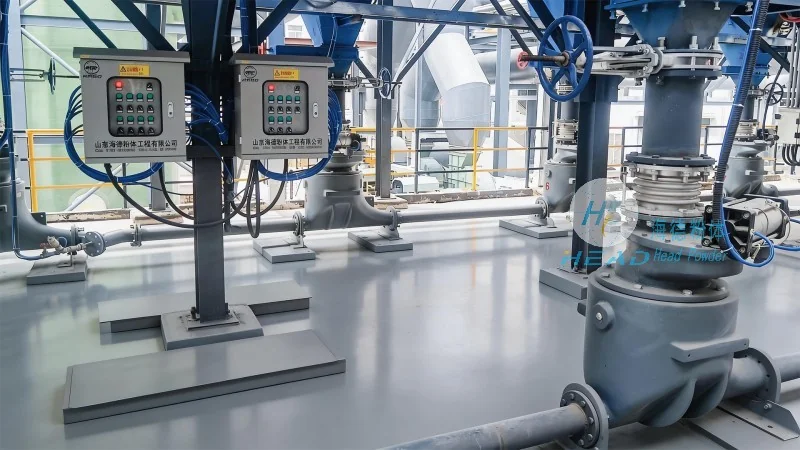
Pneumatic conveying systems utilize air or other gases to transport bulk materials like caustic soda from one location to another. Unlike traditional methods such as belt conveyors or bucket elevators, pneumatic systems can handle caustic soda in a closed environment, minimizing the risk of dust exposure and chemical splashes. The core components of a typical caustic soda pneumatic conveying system include a hopper for material storage, a feeder to control the flow rate, a conveying line (often equipped with airlocks or rotary valves), and a receiver for the discharged material. The system operates by creating a pressure differential, either through positive or negative pressure, to move the caustic soda through the pipeline.
Key Components of a Caustic Soda Pneumatic Conveying System
The effectiveness of a caustic soda pneumatic conveying system depends on the proper integration of several key components. The hopper serves as the initial storage unit, designed to hold a sufficient quantity of caustic soda while maintaining a stable feed. The feeder, often a rotary valve or a screw feeder, regulates the flow of material into the conveying line, ensuring consistent and controlled discharge. The conveying line itself is typically made of corrosion-resistant materials such as stainless steel or special alloys to withstand the chemical properties of caustic soda. Airlocks or rotary valves are installed at the inlet and outlet to prevent backflow and maintain airtightness. The receiver collects the conveyed caustic soda, providing a final storage or processing point.
Working Principle of Caustic Soda Pneumatic Conveying
There are two primary modes of operation for pneumatic conveying systems: positive pressure and negative pressure. In positive pressure systems, compressed air is introduced into the conveying line, pushing the caustic soda forward. This method is suitable for short to medium distances and can handle a wide range of material characteristics. Negative pressure systems, on the other hand, create a vacuum in the line, drawing the caustic soda into the system. Negative pressure is often preferred for longer distances or when the material is sensitive to pressure changes. The choice between these modes depends on factors such as the distance to be covered, the material's density, and the required flow rate. Both systems rely on the principle of air flow to transport the caustic soda, with the air acting as a carrier medium that suspends the material particles and moves them through the pipeline.
Advantages of Using Pneumatic Conveying for Caustic Soda
Implementing a pneumatic conveying system for caustic soda offers several advantages over traditional handling methods. Firstly, it provides a closed system, which significantly reduces the risk of exposure to caustic soda fumes or dust, thereby enhancing workplace safety. Secondly, the system allows for precise control over the flow rate and pressure, enabling better process control and minimizing material loss. Thirdly, pneumatic conveying is more flexible in terms of layout, as the conveying line can be arranged in various configurations to suit the plant layout. Additionally, the system can handle caustic soda in different forms, including solid pellets, flakes, or slurry, making it versatile for various industrial applications. The reduced need for manual handling also minimizes the risk of accidents and improves overall operational efficiency.

Applications of Caustic Soda Pneumatic Conveying Systems
Caustic soda pneumatic conveying systems are widely used in various industries that rely on caustic soda as a key chemical. In the chemical industry, these systems are employed in the production of soaps, detergents, and other alkaline products. The food and beverage industry also utilizes caustic soda for processing and cleaning purposes, where the system ensures safe and efficient handling. The pulp and paper industry uses caustic soda in the bleaching and pulping processes, and pneumatic conveying helps in transporting the material to the processing units. Additionally, in the water treatment sector, caustic soda is used for pH adjustment and water softening, and the conveying system ensures reliable delivery of the chemical to the treatment plants. Each application benefits from the system's ability to handle caustic soda safely and efficiently, reducing operational risks and improving overall productivity.
About Shandong HeadPowder Engineering Co., Ltd.
Shandong HeadPowder Engineering Co., Ltd., commonly known as HeadPowder, is a leading manufacturer and supplier of industrial conveying systems, including caustic soda pneumatic conveying solutions. With a strong commitment to quality and innovation, HeadPowder has established itself as a trusted partner in the chemical processing industry. The company specializes in designing and manufacturing customized pneumatic conveying systems tailored to the specific needs of its clients. HeadPowder's team of engineers and technicians leverages advanced technology and years of experience to develop solutions that meet the highest standards of safety, efficiency, and reliability. The company's facilities are equipped with state-of-the-art equipment and adhere to strict quality control measures to ensure that every product meets or exceeds industry specifications. HeadPowder's dedication to customer satisfaction and technical excellence has earned it a reputation for delivering superior products and services in the market.