

Design Considerations for Waste Pneumatic Conveying Systems
When designing a waste pneumatic conveying system, several critical factors must be considered to ensure efficient and reliable operation. Proper planning and execution are essential to handle various types of waste materials effectively. This article outlines key design considerations that professionals should address when developing such systems.

System Selection and Material Characteristics
The first step in designing a waste pneumatic conveying system is to evaluate the characteristics of the waste materials being handled. Factors such as particle size, moisture content, density, and abrasiveness significantly impact the choice of system type. For example, systems designed for handling dry, free-flowing materials like municipal solid waste (MSW) may differ from those intended for wet or sticky waste streams. Shandong HeadPowder Engineering Co., Ltd., based in China, specializes in customizing pneumatic conveying solutions tailored to specific waste processing needs. Their expertise in material handling technology ensures that the selected system matches the unique properties of the waste being processed.
Conveying Line Design and Components
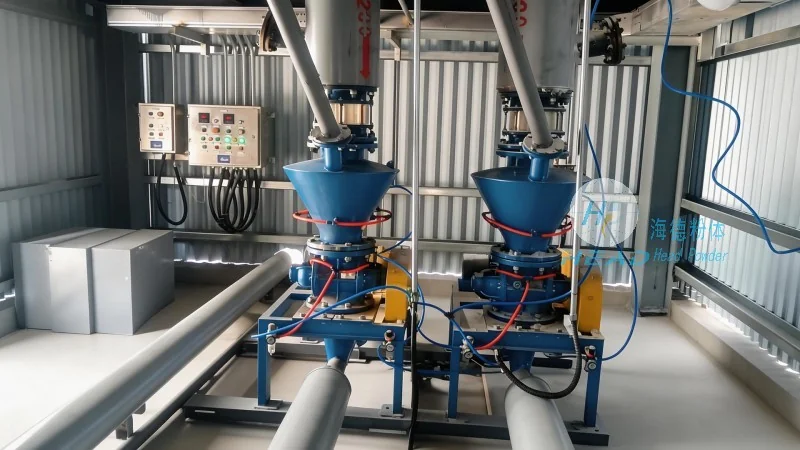
The design of the conveying line, including the pipeline layout, diameter, and material, plays a crucial role in system performance. The pipeline diameter must be appropriately sized to accommodate the flow rate and particle size, preventing excessive pressure drop and ensuring smooth material transport. Components like airlocks, cyclones, and filters are critical for maintaining system efficiency and preventing material buildup. For instance, airlocks are used to separate the conveying air from the waste material, while cyclones help separate particles from the air stream. The choice of materials for the pipeline and components is also vital, as they must withstand the corrosive or abrasive nature of waste materials. Shandong HeadPowder Engineering Co., Ltd. employs advanced engineering techniques to select durable materials that extend the system's lifespan and reduce maintenance costs.
Pressure and Airflow Management
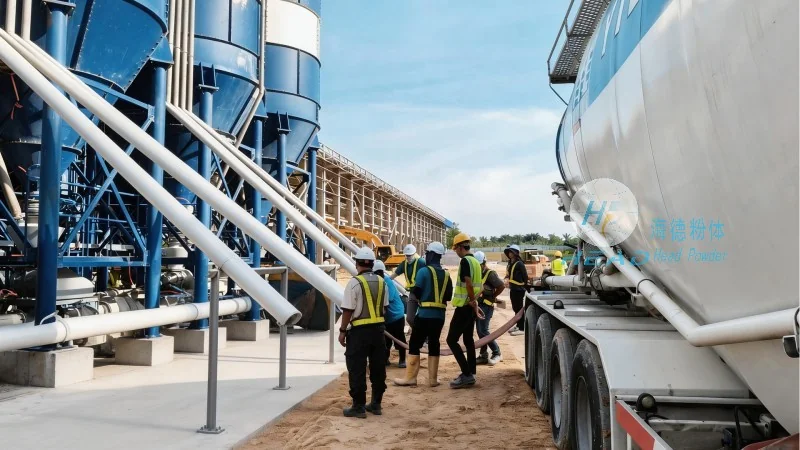
Effective pressure and airflow management is essential for the optimal operation of a waste pneumatic conveying system. The system must maintain sufficient pressure to overcome resistance in the pipeline and ensure consistent material flow. The airflow rate is directly related to the system's capacity and the ability to handle different waste types. Engineers must calculate the required air volume and pressure based on the material's properties and the system's design. Shandong HeadPowder Engineering Co., Ltd. utilizes sophisticated computational fluid dynamics (CFD) models to simulate airflow and pressure distribution, ensuring that the system operates within safe and efficient parameters. This approach helps in optimizing energy consumption and reducing operational costs.
System Integration and Control
Integrating the waste pneumatic conveying system with other processing equipment is another critical design consideration. The system must be compatible with existing infrastructure and control systems to ensure seamless operation. Automation and control systems are essential for monitoring and adjusting the system's performance in real-time. For example, sensors can be used to detect material levels, pressure changes, or air flow rates, triggering automatic adjustments to maintain optimal conditions. Shandong HeadPowder Engineering Co., Ltd. offers comprehensive integration services, ensuring that the conveying system works in harmony with other components of the waste processing plant. Their control solutions enhance system reliability and reduce the risk of downtime.

Maintenance and Operational Considerations
Proper maintenance and operational procedures are vital for the long-term performance of a waste pneumatic conveying system. Regular maintenance, including cleaning of filters, checking for wear and tear in components, and monitoring system performance, is necessary to prevent system failures. Operational considerations also include training personnel on system operation and safety protocols. Shandong HeadPowder Engineering Co., Ltd. provides maintenance support and training services to ensure that clients can operate and maintain their systems effectively. Their expertise in system maintenance helps minimize downtime and maximize the system's operational life.