

Design Considerations for Carbon Black Pneumatic Conveying Systems
Carbon black is a critical component in various industrial applications, and the efficient handling of this material through pneumatic conveying systems is essential for maintaining production efficiency and product quality. The design of such systems requires careful consideration of multiple factors to ensure optimal performance, safety, and longevity. This article outlines key design considerations for carbon black pneumatic conveying systems, with a focus on practical solutions and industry best practices.

Understanding Carbon Black Properties and Their Impact on System Design
Before designing a carbon black pneumatic conveying system, it is crucial to understand the physical and chemical properties of carbon black. Carbon black is a fine, dry powder with a high density and abrasive nature. These characteristics influence the selection of system components, such as the type of conveyor, material of construction, and control mechanisms. For instance, the abrasive nature of carbon black can lead to wear on system parts, necessitating the use of corrosion-resistant materials like stainless steel or special coatings. Additionally, the fine particle size of carbon black affects the air flow requirements and the risk of clogging in the system. Proper understanding of these properties helps in selecting the right equipment and design parameters to minimize operational issues.
System Layout and Component Selection
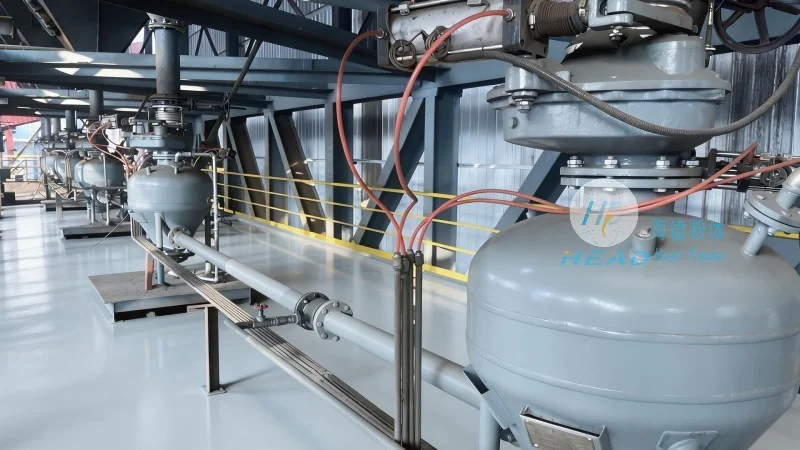
The layout of a carbon black pneumatic conveying system involves several key components, including the material feed hopper, conveyor line, air supply system, and dust collection equipment. The choice of each component is critical to the system's performance. For example, the feed hopper should be designed to prevent material bridging and ensure consistent material flow. This may involve using a hopper with a conical or wedge-shaped bottom and appropriate aeration to prevent clogging. The conveyor line, which can be either positive or negative pressure, must be sized to handle the carbon black's flow characteristics and the required conveying distance. Positive pressure systems are often preferred for long-distance conveying as they provide better control over material flow and reduce the risk of dust emissions. The air supply system, typically a blower or compressor, must be capable of delivering sufficient air volume and pressure to move the carbon black particles efficiently. Proper sizing of the air system is essential to avoid under- or over-conveying, which can lead to system inefficiencies or material degradation.

Material of Construction and Wear Resistance
Given the abrasive nature of carbon black, the material of construction for system components is a critical design consideration. Components such as the hopper, conveyor pipe, and valves are often made from stainless steel or other corrosion-resistant materials. Stainless steel, particularly grades like 316 or 316L, offers excellent resistance to abrasion and corrosion from carbon black. In some cases, special coatings or linings may be applied to further enhance wear resistance. For example, wear-resistant liners can be installed in the hopper and conveyor pipe to extend the system's lifespan and reduce maintenance costs. The selection of wear-resistant materials is essential to ensure the system operates efficiently over long periods without frequent repairs or replacements.
Control and Monitoring Systems
Effective control and monitoring of a carbon black pneumatic conveying system are vital for maintaining consistent performance and preventing operational issues. Modern systems often incorporate advanced control systems that monitor parameters such as air pressure, material flow rate, and system pressure. These systems can automatically adjust the air supply or material feed rate to maintain optimal conveying conditions. Additionally, sensors and alarms can be installed to detect issues such as blockages or pressure drops, allowing for timely intervention and preventing system downtime. The use of digital control systems not only improves operational efficiency but also enhances safety by reducing the risk of accidents caused by improper system operation. Proper monitoring and control also help in optimizing energy consumption, as the system can be adjusted to operate at the most efficient settings.
Environmental Considerations and Dust Control
Carbon black is a fine powder that can create dust during handling, which poses environmental and health risks. Therefore, dust control is a critical aspect of system design. Effective dust control measures include the use of sealed hoppers and conveyor lines, as well as proper ventilation and filtration systems. The system should be designed to minimize dust emissions at the source, such as by using airtight feed hoppers and sealed conveyor connections. Additionally, dust collection systems, such as baghouses or cartridge filters, can be integrated into the system to capture any released dust. Proper maintenance of these systems is essential to ensure they operate effectively and do not become a source of additional emissions. Compliance with environmental regulations is also important, as many regions have strict guidelines regarding dust emissions from industrial processes. By incorporating robust dust control measures, the system not only protects the environment but also ensures the safety of personnel working with the carbon black material.

Integration with Existing Facilities and Scalability
When designing a carbon black pneumatic conveying system, it is important to consider its integration with existing industrial facilities. The system should be designed to fit within the available space and connect seamlessly with other equipment, such as storage silos or processing units. This may involve customizing the system layout to accommodate existing infrastructure, such as building columns or piping. Additionally, the system should be scalable to accommodate future growth or changes in production requirements. This may include designing the system with modular components that can be easily expanded or modified as needed. For example, the conveyor line can be designed with additional sections or branches to handle increased material volumes. The use of modular components allows for flexibility in system expansion without requiring a complete overhaul of the entire system. This scalability ensures that the system remains a viable long-term solution for the company's needs.
Maintenance and Operational Considerations
Proper maintenance is essential to ensure the long-term performance and reliability of a carbon black pneumatic conveying system. Regular maintenance tasks include cleaning the hopper and conveyor line to prevent material buildup, inspecting wear parts for signs of wear, and checking the air system for proper operation. The frequency of maintenance depends on the system's usage and the characteristics of the carbon black being handled. For example, systems handling highly abrasive carbon black may require more frequent maintenance to replace worn parts. Additionally, training operators on proper system operation and maintenance is crucial to prevent issues caused by improper use. Operators should be trained to recognize signs of system problems, such as unusual noises or pressure drops, and to take appropriate action. Proper maintenance not only extends the system's lifespan but also reduces downtime and maintenance costs. By establishing a regular maintenance schedule and training operators, the system can operate efficiently and reliably for many years.