

Design Considerations for Polyethylene Gas-Pneumatic Conveying System Solutions
For industrial applications involving the handling of polyethylene materials, the design of an efficient and reliable gas-pneumatic conveying system is crucial. This article outlines key design considerations and solutions provided by Shandong HeadPowder Engineering Co., Ltd. (HeadPowder), a leading engineering firm based in Shandong, China, to ensure optimal performance and safety in polyethylene material transport.

System Overview and Core Components
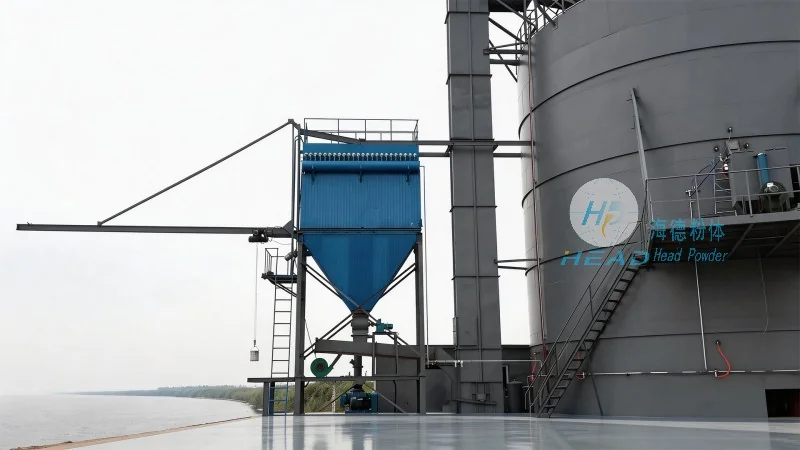
The polyethylene gas-pneumatic conveying system typically consists of several critical components that work in tandem to achieve effective material transfer. These include the material feed hopper, air supply system (blowers or compressors), conveying pipelines, control valves, and dust collection equipment. Each component plays a vital role in maintaining the system's efficiency and ensuring the safe handling of polyethylene particles.
Material Characteristics and Design Adaptation
Polyethylene, being a lightweight and often low-density material, presents unique challenges in pneumatic conveying. Its flow properties, such as angle of repose and cohesive forces, must be carefully considered during system design. The HeadPowder engineering team evaluates these material characteristics to select appropriate conveying velocities, pipeline diameters, and air pressure levels. This ensures that the polyethylene material moves smoothly without causing blockages or excessive wear on system components.

System Sizing and Airflow Management
Accurate system sizing is fundamental to the success of a polyethylene gas-pneumatic conveying system. Engineers at Shandong HeadPowder Engineering Co., Ltd. calculate the required airflow rates based on the material's bulk density, particle size distribution, and the distance to be conveyed. Proper sizing prevents issues like insufficient material transport or excessive energy consumption. The company employs advanced computational fluid dynamics (CFD) simulations and empirical formulas to determine optimal air velocities and pipeline dimensions, ensuring efficient material movement while minimizing operational costs.
Equipment Selection and Durability
Choosing durable and suitable equipment is essential for long-term operation of polyethylene conveying systems. Polyethylene particles can be abrasive and may cause wear on metal surfaces. Therefore, the HeadPowder team recommends the use of corrosion-resistant materials, such as stainless steel or specialized coatings, for pipelines and valves. Additionally, the selection of high-quality blowers or compressors with appropriate air capacity and pressure ratings is critical. These components are designed to handle the specific demands of polyethylene material, ensuring reliable performance over extended periods.
Control and Safety Systems Integration
Implementing robust control and safety systems is vital for maintaining operational safety and system reliability. The HeadPowder engineering solutions include automated control panels that monitor air pressure, material flow rates, and system temperatures. These systems can detect anomalies and trigger alarms or shutdown procedures if necessary. Furthermore, dust collection and filtration systems are integrated to comply with environmental regulations and protect personnel from airborne polyethylene particles. The company's designs prioritize safety by incorporating features like pressure relief valves and explosion-proof components, ensuring that the system operates within safe parameters.
Installation and Maintenance Guidelines
Proper installation and regular maintenance are key to maximizing the lifespan and efficiency of polyethylene gas-pneumatic conveying systems. The HeadPowder team provides detailed installation guidelines, including pipeline layout, support structures, and connection methods. Regular maintenance schedules are recommended to check for wear and tear, clean filters, and inspect components for any signs of damage. By adhering to these guidelines, users can ensure consistent performance and minimize downtime. The company also offers technical support and maintenance services to assist clients in maintaining their systems effectively.

Case Studies and Real-World Applications
Shandong HeadPowder Engineering Co., Ltd. has successfully implemented polyethylene gas-pneumatic conveying systems in various industrial settings, including plastic manufacturing plants, recycling facilities, and material handling operations. These case studies demonstrate the effectiveness of the company's design solutions in improving material transport efficiency, reducing labor costs, and enhancing overall operational safety. Clients have reported significant improvements in production throughput and reduced maintenance expenses after adopting the HeadPowder engineered systems.
Conclusion and Future Considerations
In conclusion, the design of a polyethylene gas-pneumatic conveying system requires a comprehensive approach that considers material properties, system sizing, equipment durability, and safety measures. Shandong HeadPowder Engineering Co., Ltd. specializes in providing tailored solutions that address these factors, ensuring reliable and efficient material handling for polyethylene applications. As technology advances, the company continues to innovate, exploring new materials and control technologies to further enhance the performance of pneumatic conveying systems. By adhering to these design principles and leveraging the expertise of HeadPowder engineers, industries can achieve optimal results in polyethylene material transport.