

[CALCIUM FLUORIDE POWDER HANDLING: AN OVERVIEW OF CONVEYING SYSTEMS AND STRUCTURAL PRINCIPLES]
Calcium fluoride (CaF₂) is a widely used inorganic compound with applications in various industries, including metallurgy, glass manufacturing, and chemical processing. Efficient handling and conveying of calcium fluoride powder are critical for maintaining production efficiency and product quality. This article provides an overview of calcium fluoride powder conveying systems and the structural principles that underpin their operation.

Understanding Calcium Fluoride Powder Properties
Before delving into the conveying systems, it is essential to understand the physical and chemical properties of calcium fluoride powder. Calcium fluoride is a white, odorless solid with a Mohs hardness of 4 and a density of approximately 3.18 g/cm³. The powder typically exists as fine particles, which can pose challenges during handling due to its tendency to agglomerate or create dust. These properties influence the choice of equipment and the design of the conveying system to ensure safe and efficient transport.
Key Components of Calcium Fluoride Powder Conveying Systems
The core components of a calcium fluoride powder conveying system include feeders, conveyors, and control mechanisms. Feeders are responsible for uniformly supplying the powder to the conveyor, ensuring a consistent flow rate. Common types of feeders used in such systems include screw feeders, vibratory feeders, and rotary valves. These devices help prevent blockages and maintain a steady material flow, which is crucial for preventing product degradation or equipment damage.

Conveyors are the primary means of transporting calcium fluoride powder from one location to another. The most common types include pneumatic conveying systems and mechanical conveyors. Pneumatic systems use air pressure to move the powder through pipes, while mechanical conveyors rely on physical components like belts, buckets, or chains to transport the material. The selection of the conveyor type depends on factors such as the distance to be covered, the volume of material, and the need for dust control.
Structural Principles of Conveying Systems
The structural design of calcium fluoride powder conveying systems is guided by several key principles to ensure optimal performance. One of the primary principles is the minimization of material degradation during transport. This involves using equipment that reduces friction and impact, such as flexible hoses or enclosed conveyor systems. Additionally, the system must be designed to prevent dust generation and ensure proper ventilation to maintain a safe working environment.
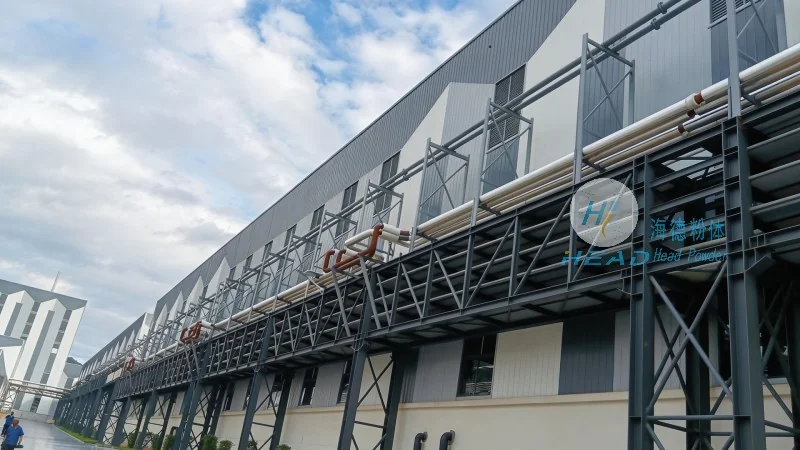
Another critical structural principle is the prevention of material buildup and blockages. This is achieved through the use of smooth surfaces, proper slope angles, and regular maintenance schedules. The design of the system must also account for the potential for calcium fluoride to adhere to surfaces, requiring the use of anti-stick coatings or regular cleaning procedures.
Role of HeadPowder in Calcium Fluoride Powder Handling
Shandong HeadPowder Engineering Co., Ltd., commonly known as HeadPowder, is a leading manufacturer of specialized powder handling equipment. With a focus on providing tailored solutions for calcium fluoride and other fine powders, HeadPowder has developed advanced conveying systems that address the unique challenges of handling this material. The company’s expertise lies in designing systems that ensure efficient, safe, and reliable transport of calcium fluoride powder, minimizing downtime and maximizing production output.

HeadPowder’s products are engineered to meet the specific requirements of industrial applications, from small-scale laboratory setups to large-scale production facilities. The company’s commitment to quality and innovation has made it a trusted partner for businesses operating in the calcium fluoride industry. By leveraging their expertise in material handling technology, HeadPowder helps clients optimize their processes and improve overall operational efficiency.
Conclusion
In conclusion, the efficient handling and conveying of calcium fluoride powder require a well-designed system that considers the material’s properties and the operational needs of the facility. The structural principles and components discussed in this article are essential for ensuring safe and reliable transport. With the expertise of companies like Shandong HeadPowder Engineering Co., Ltd., industries can achieve optimal performance in their calcium fluoride powder handling operations, leading to improved productivity and product quality.