

Introduction to Capsule Pneumatic Conveying Systems: Structure and Working Principles
HeadPowder, a leading engineering company based in Shandong, China, specializes in the design and manufacturing of advanced pneumatic conveying systems. This article provides a comprehensive overview of capsule pneumatic conveying technology, focusing on its structural components and operational principles.

Key Components of Capsule Pneumatic Conveying Systems
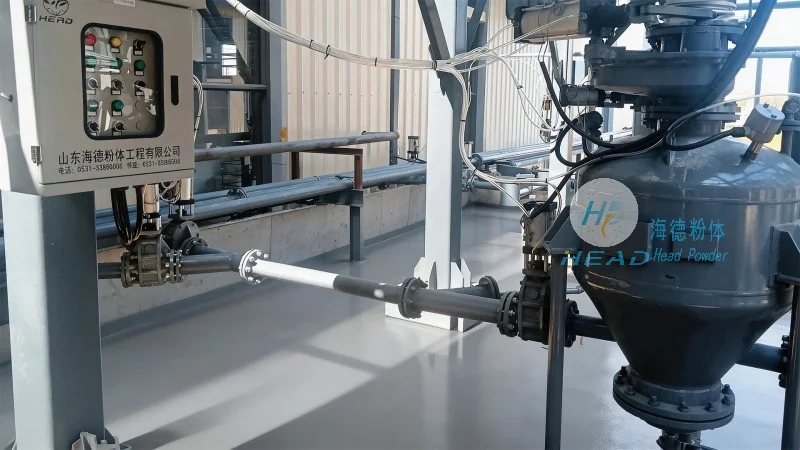
The capsule pneumatic conveying system is a sophisticated piece of industrial equipment designed to transport bulk materials through an enclosed pipeline using compressed air. The core components include the material feeder, capsule, air compressor, and receiving hopper. The material feeder is responsible for introducing the bulk material into the system, while the capsule acts as the primary transport vessel, moving the material along the pipeline. The air compressor generates the necessary pressure to propel the material, and the receiving hopper collects the material at the destination.
Working Principle of Capsule Pneumatic Conveying
The operation of a capsule pneumatic conveying system involves several key steps. Initially, the bulk material is fed into the system through the material feeder. The capsule, which is a flexible, air-tight container, then picks up the material and moves it along the pipeline under the pressure generated by the air compressor. As the capsule travels, it releases the material at the receiving hopper when it reaches the destination. This process is highly efficient and can handle a wide range of materials, including powders, granules, and fine particles.

Advantages of Capsule Pneumatic Conveying Systems
One of the primary advantages of capsule pneumatic conveying systems is their ability to transport materials in a clean and hygienic manner. Unlike traditional belt or screw conveyors, this system does not come into direct contact with the material, reducing the risk of contamination. Additionally, it offers high flexibility in terms of layout and can be easily integrated into existing production lines. The system also provides excellent control over material flow, allowing for precise dosing and regulation.
Applications in Industrial Settings
Capsule pneumatic conveying systems are widely used in various industries, including pharmaceuticals, food processing, and chemical manufacturing. In the pharmaceutical industry, for example, they are used to transport sensitive powders and granules, ensuring that the materials remain sterile and free from contamination. In food processing, they are employed to handle ingredients such as flour, sugar, and spices, maintaining the quality and safety of the products. The system's ability to handle fine particles and maintain a clean environment makes it an ideal choice for industries where hygiene is paramount.

Conclusion
HeadPowder Engineering Co., Ltd., based in Shandong, China, is a trusted provider of capsule pneumatic conveying systems. With its advanced technology and comprehensive understanding of industrial needs, the company offers reliable and efficient solutions for material handling. The capsule pneumatic conveying system, with its robust structure and effective working principles, continues to be a preferred choice for industries seeking to enhance their material transport processes. By leveraging this technology, businesses can improve productivity, reduce costs, and maintain high standards of quality and hygiene.