

Operation Process and Working Principle of Bentonite Material Pneumatic Conveying Equipment
Bentonite, a type of clay with high plasticity and water absorption, is widely used in various industrial applications such as drilling fluids, foundry sands, and environmental remediation. The efficient handling and transportation of bentonite are crucial for industrial operations, and pneumatic conveying systems offer a reliable solution. This article provides an overview of the operation process and working principle of bentonite material pneumatic conveying equipment, highlighting the key components and the step-by-step procedure for material transport.

Key Components of the Pneumatic Conveying System
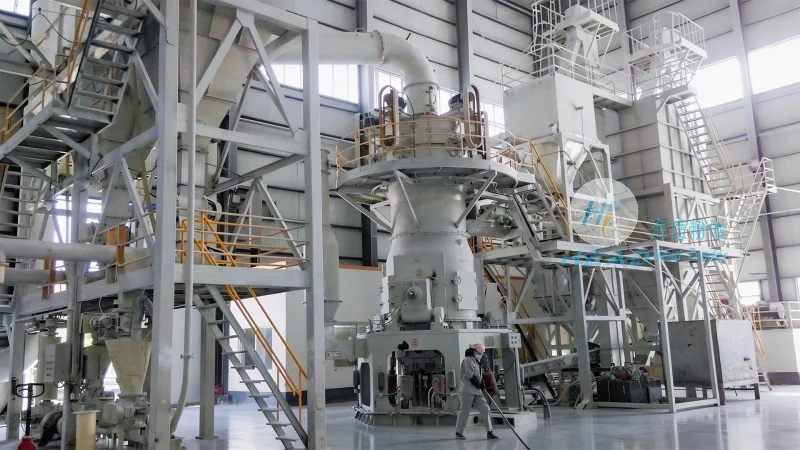
The bentonite material pneumatic conveying system typically consists of several essential components that work in tandem to ensure smooth material transport. These components include a material hopper, a rotary valve or feeder, a conveying line (often equipped with air filters and pressure regulators), a receiver or silo, and a dust collection system. The material hopper is designed to store the bentonite, ensuring a consistent feed to the system. The rotary valve or feeder controls the flow rate of the material into the conveying line, preventing blockages and maintaining system efficiency. The conveying line, usually made of stainless steel or other corrosion-resistant materials, is responsible for transporting the bentonite particles through the system. Air filters and pressure regulators are crucial for maintaining clean air and stable pressure, which are vital for the effective operation of the pneumatic system. The receiver or silo collects the conveyed bentonite at the destination, while the dust collection system ensures compliance with environmental regulations and maintains a clean working environment.

Operation Process of the Bentonite Pneumatic Conveying Equipment
The operation process of the bentonite material pneumatic conveying equipment involves several sequential steps that ensure the efficient transport of the material from the source to the destination. The first step is the loading of bentonite into the material hopper. The hopper is typically equipped with a lid and a level indicator to monitor the material level. Once the hopper is filled, the rotary valve or feeder is activated to control the flow of bentonite into the conveying line. Simultaneously, the air compressor or blower starts to generate the necessary air pressure, which is then introduced into the conveying line. The air and bentonite particles are mixed in the conveying line, creating a slurry-like mixture that is propelled through the system by the air flow. The conveying line is designed with appropriate bends and fittings to ensure the smooth flow of the mixture without causing blockages or pressure drops. At the receiving end, the bentonite is deposited into the receiver or silo, and the air is filtered and returned to the system or released safely. The entire process is automated, with sensors and control systems monitoring the material flow rate, air pressure, and system performance to ensure optimal operation.

Working Principle of the Pneumatic Conveying System
The working principle of the bentonite material pneumatic conveying system is based on the use of air as the conveying medium to transport solid particles. The system operates by creating a pressure differential between the material hopper and the receiving end. The air compressor or blower generates high-pressure air, which is introduced into the conveying line. As the air flows through the line, it entrains the bentonite particles, forming a suspension. The air velocity in the conveying line is maintained above the minimum fluidization velocity of the bentonite particles, ensuring that the particles remain suspended and are transported efficiently. The pressure drop along the conveying line is carefully managed to prevent excessive energy consumption and maintain the stability of the system. The system also incorporates features such as air filters to remove dust and moisture from the air, and pressure regulators to maintain consistent pressure levels. The receiver or silo at the end of the system collects the conveyed bentonite, and the air is filtered and recycled or released, depending on the system design. The overall working principle is to use the kinetic energy of the air to transport the solid particles, minimizing the need for mechanical components and reducing the risk of material contamination.
Benefits and Applications of Bentonite Pneumatic Conveying Equipment
The use of bentonite material pneumatic conveying equipment offers several benefits for industrial applications. Firstly, it provides a dust-free and hygienic method of transporting bentonite, which is essential for applications where contamination is a concern, such as in food processing or pharmaceutical industries. Secondly, the system is highly efficient, with minimal material loss and low maintenance requirements. The automated operation reduces the need for manual labor, improving safety and productivity. Additionally, the system can handle a wide range of bentonite types and particle sizes, making it versatile for various industrial needs. The equipment is widely used in industries such as oil and gas drilling, foundry, and environmental remediation, where the efficient transport of bentonite is critical for operational success. The system's ability to transport bentonite over long distances without the need for intermediate storage or handling points makes it a cost-effective solution for large-scale operations.