

Operation Process and Working Principle of Automatic Loading and Unloading Material Pneumatic Convey
HeadPowder, a leading manufacturer in the field of material handling solutions, specializes in the design, development, and implementation of advanced pneumatic conveying systems. The company's core product, the automatic loading and unloading material pneumatic conveying system, represents a sophisticated integration of technology and engineering to enhance industrial material transport efficiency. This system is engineered to handle a wide range of bulk materials, from powders and granules to fine particles, ensuring seamless and automated material movement between different stages of production processes.
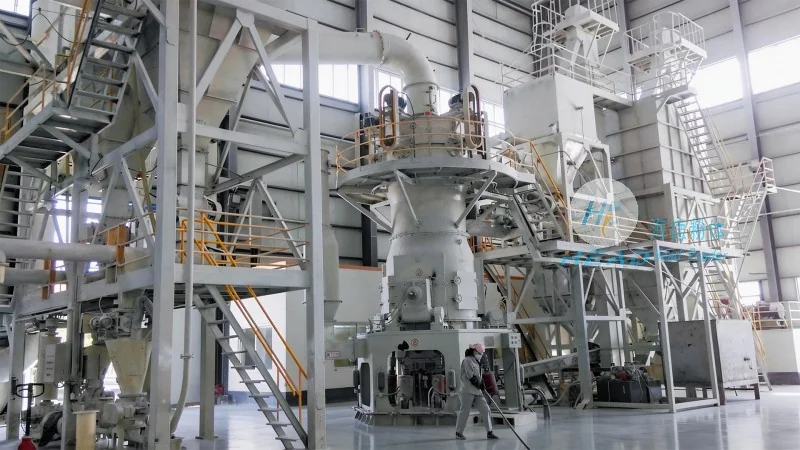
Overview of the System's Working Principle
The automatic loading and unloading material pneumatic conveying system operates on the fundamental principle of pneumatic transport, where materials are conveyed through a pressurized or vacuum pipeline using air or gas as the conveying medium. The system typically consists of several key components, including a loading hopper, a conveying pipeline, a control unit, and an unloading hopper. The process begins with the material being fed into the loading hopper, where it is then pneumatically transported to the unloading hopper or directly to the processing equipment. The control unit manages the entire operation, regulating air pressure, flow rate, and material quantity to ensure optimal performance and safety.
Step-by-Step Operation Process
1. **Material Loading**: The system starts with the material being deposited into the loading hopper. This hopper is equipped with a feeding mechanism, such as a rotary valve or a screw feeder, which controls the flow of material into the conveying pipeline. The material is then drawn into the pipeline by the pressure differential created by the air compressor or vacuum pump.

2. **Pneumatic Conveying**: Once inside the pipeline, the material is carried by the moving air stream. The system uses either positive pressure (where air is forced through the pipeline) or negative pressure (where air is drawn out, creating a vacuum) to move the material. The choice of pressure type depends on the material characteristics, such as particle size, density, and moisture content. The conveying pipeline is designed with appropriate bends, elbows, and straight sections to minimize material degradation and ensure smooth transport.
3. **Control and Monitoring**: The control unit continuously monitors the system's performance, adjusting air pressure and flow rates as needed to maintain consistent material delivery. Sensors and indicators are integrated to detect any blockages or abnormalities in the pipeline, triggering alarms or automatic shutdowns to prevent system damage.
4. **Material Unloading**: At the receiving end, the material is discharged from the pipeline into the unloading hopper or directly into the processing equipment. The unloading hopper may include a discharge valve or a rotary valve to regulate the material flow to the next stage of the production line. The system ensures that the material is delivered in a controlled manner, preventing spillage and maintaining product quality.

Key Features and Benefits
The automatic loading and unloading material pneumatic conveying system offers several advantages over traditional material handling methods. Firstly, it provides a fully automated process, reducing the need for manual labor and minimizing the risk of human error. The system's design allows for continuous operation, increasing production efficiency and throughput. Additionally, the pneumatic conveying method is gentle on the material, preserving its quality and preventing degradation, which is crucial for sensitive products like pharmaceuticals or food ingredients. The system also offers flexibility in terms of material handling, as it can be easily adapted to different production requirements and can transport materials over long distances without the need for intermediate storage.
Application Examples
HeadPowder's automatic loading and unloading material pneumatic conveying system is widely used in various industries, including pharmaceuticals, food processing, chemical manufacturing, and mining. In the pharmaceutical industry, the system is used to transport raw materials and finished products with high precision and hygiene standards. In food processing, it ensures the safe and efficient movement of ingredients and products, maintaining compliance with food safety regulations. In chemical manufacturing, the system handles hazardous materials with minimal risk, while in mining, it transports bulk materials from storage to processing equipment. The system's versatility and reliability make it an essential component in modern industrial operations.