

Operation Process and Working Principle of Dust Material Conveying Lines
Shandong HeadPowder Engineering Co., Ltd. (headpowder) specializes in the design, manufacturing, and installation of dust material conveying systems. With a focus on efficient and reliable solutions for handling various types of dusty materials, the company has established itself as a trusted provider in the industry. HeadPowder's facilities are located in Shandong, China, where the company leverages advanced technology and expertise to deliver high-quality equipment tailored to client needs.

Introduction to Dust Material Conveying Lines
Dust material conveying lines are essential systems used in industrial applications to transport bulk materials that are prone to generating dust. These systems are designed to handle materials such as powders, granules, and other fine particles, ensuring safe and efficient material movement from one point to another. The primary goal of these lines is to minimize dust dispersion while maintaining optimal operational performance. HeadPowder's dust material conveying lines are engineered to meet these requirements, offering robust solutions for various industrial sectors.
Operation Process of Dust Material Conveying Lines
The operation of a dust material conveying line typically involves several key steps. First, the material is fed into the system, often through a hopper or feeder, which ensures a consistent flow of material. The material then moves through a conveyor system, which may include components like screw conveyors, pneumatic conveyors, or belt conveyors, depending on the specific application and material characteristics. As the material travels through the line, it is transported under controlled conditions to prevent dust generation and ensure safety. The conveying process is monitored for efficiency and performance, with adjustments made as needed to maintain optimal operation. HeadPowder's systems are equipped with advanced controls and sensors that allow for real-time monitoring and adjustment, enhancing overall system performance.

Working Principle of Dust Material Conveying Lines
The working principle of dust material conveying lines revolves around the use of mechanical or pneumatic forces to move material through the system. Mechanical conveyors, such as screw or belt conveyors, utilize rotating components to push material forward, while pneumatic conveyors use air pressure to transport material in a sealed system. Both methods are effective in handling dusty materials, with the choice of system depending on factors like material type, distance, and environmental considerations. HeadPowder's dust material conveying lines are designed with these principles in mind, ensuring that the system operates efficiently and safely. The company's engineers carefully select the appropriate conveyor type and components to match the specific material and application requirements, resulting in a reliable and effective solution.
Key Features and Benefits of HeadPowder's Dust Material Conveying Lines
HeadPowder's dust material conveying lines are equipped with several key features that enhance their performance and reliability. These include advanced dust control mechanisms, such as sealed enclosures and filtration systems, which minimize dust dispersion and improve air quality. The systems also feature durable materials and components, designed to withstand the harsh conditions of industrial environments. Additionally, HeadPowder's conveyors are equipped with energy-efficient motors and controls, reducing operational costs and environmental impact. The company's commitment to quality and customer satisfaction is reflected in the robust design and reliable performance of their dust material conveying lines.
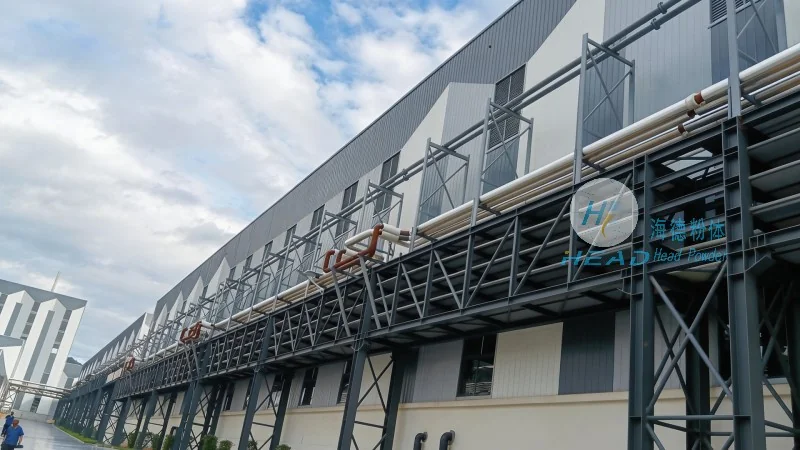
Application Examples
Dust material conveying lines are widely used in various industrial sectors, including chemical, pharmaceutical, food processing, and mining. In the chemical industry, these systems are used to transport powders and granules, ensuring safe and efficient material handling. In the pharmaceutical sector, dust material conveying lines are employed to handle sensitive materials, maintaining strict contamination control. The food processing industry also utilizes these systems to transport ingredients and finished products, ensuring hygiene and safety. HeadPowder's dust material conveying lines have been successfully implemented in these and other industries, providing reliable solutions for material handling needs.
Conclusion
Shandong HeadPowder Engineering Co., Ltd. offers high-quality dust material conveying lines that are designed to meet the specific needs of industrial applications. By leveraging advanced technology and expertise, HeadPowder provides reliable and efficient solutions for handling dusty materials. The company's commitment to quality and customer satisfaction ensures that their dust material conveying lines are durable, effective, and tailored to client requirements. With facilities in Shandong, China, HeadPowder continues to be a trusted provider of dust material conveying systems, serving clients across various industries.