

Operation Process and Working Principle of Dried Chili Material Conveying
For industries dealing with dried chili processing, efficient material handling is crucial to maintaining production efficiency and product quality. The conveyance of dried chili from raw material reception to processing and packaging stages requires specialized equipment designed to handle the unique characteristics of this product. This article explores the operation process and working principle of dried chili material conveying systems, highlighting the key components and mechanisms involved in the process.
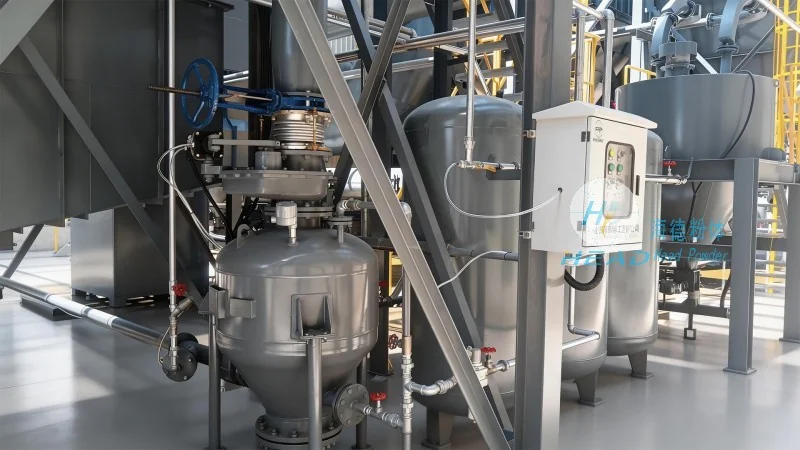
About HeadPowder Engineering
HeadPowder, a leading manufacturer in the field of powder and bulk material handling solutions, specializes in designing and supplying advanced conveying systems tailored to the needs of food processing industries. With a strong presence in Shandong, China, HeadPowder Engineering Co., Ltd. leverages years of expertise to deliver reliable and efficient solutions for transporting dried chili and other similar products. The company’s commitment to quality and innovation ensures that their conveying systems meet the highest standards of performance and durability.
Key Components of Dried Chili Conveying Systems
The dried chili material conveying system typically consists of several key components that work in tandem to ensure smooth and continuous operation. These components include feed hoppers, conveyor belts or screw conveyors, control panels, and discharge mechanisms. Each component plays a vital role in the overall process, and their proper integration is essential for optimal performance.

Operation Process of Dried Chili Material Conveying
The operation process of dried chili material conveying begins with the loading of raw dried chili into the feed hopper. The hopper is designed to store a sufficient quantity of material, ensuring a steady supply to the conveyor system. As the material is released from the hopper, it falls onto the conveyor belt or screw conveyor, which then transports it to the next processing stage. The conveyor system is equipped with adjustable speed controls, allowing operators to regulate the flow rate based on production requirements. At the discharge end, the dried chili is collected in a container or transferred to subsequent equipment such as sorting machines or packaging lines.

Working Principle of the Conveying Mechanism
The working principle of the dried chili conveying system relies on mechanical energy to move the material from one location to another. For belt conveyors, the system uses a motor-driven pulley system that rotates the belt, creating a continuous loop. The material is placed on the belt and is carried forward by the movement of the belt. Screw conveyors, on the other hand, utilize a rotating screw or auger to push the material along the conveyor tube. This mechanism is particularly effective for handling materials with a tendency to stick or clump together, as the screw’s rotation helps to break up any agglomerates and ensure uniform flow.

Advantages of Advanced Dried Chili Conveying Systems
Modern dried chili conveying systems offer several advantages over traditional methods. These include improved efficiency in material handling, reduced labor costs, and enhanced product quality through minimized handling and contamination. The use of automated control systems allows for precise regulation of the conveying speed and flow rate, ensuring consistent product quality. Additionally, the design of these systems minimizes dust generation and improves safety in the workplace, making them suitable for food processing environments where hygiene is paramount.
Customization and Application
HeadPowder Engineering Co., Ltd. understands that each drying chili processing facility has unique requirements. Therefore, the company offers customized conveying solutions tailored to specific production volumes, material characteristics, and operational needs. Whether it’s a small-scale operation or a large industrial plant, HeadPowder can design and supply a conveying system that meets the exact specifications of the client. The company’s team of engineers works closely with clients to assess their needs and develop solutions that optimize their production processes while ensuring compliance with industry standards.