

Operation Process and Working Principle of Multi-Hopper Pneumatic Conveying Systems
Multi-hopper pneumatic conveying systems represent a sophisticated solution for bulk material handling, offering efficient and flexible transport of powders and granules over long distances. This technology is widely adopted in various industries, including chemical, food, pharmaceutical, and mining, due to its ability to handle diverse materials while maintaining product integrity and minimizing contamination risks.

Overview of Multi-Hopper Pneumatic Conveying Systems
At the core of a multi-hopper pneumatic conveying system is the multi-hopper pump, which serves as the central feeding and conveying unit. The system typically consists of multiple hoppers, each designed to store and feed a specific material or a batch of materials. The hoppers are connected to a central air supply system, which generates the necessary pressure to move the material through a network of pipes. This design allows for the sequential or simultaneous feeding of different materials, enhancing operational flexibility and throughput.
Working Principle of Multi-Hopper Pneumatic Conveying
The operation of a multi-hopper pneumatic conveying system is based on the principle of pneumatic transport, where material is suspended and transported by a stream of air. The system uses a combination of positive and negative pressure zones to move the material through the pipeline. The multi-hopper pump acts as a positive displacement device, creating a vacuum or pressure to draw material from the hoppers and propel it through the conveying line. The air and material mixture travels through the pipeline, with the air providing the kinetic energy required for transport. The system may include components such as air filters, cyclone separators, and dust collectors to ensure clean air and material separation at the discharge point.
Key Components and Their Functions
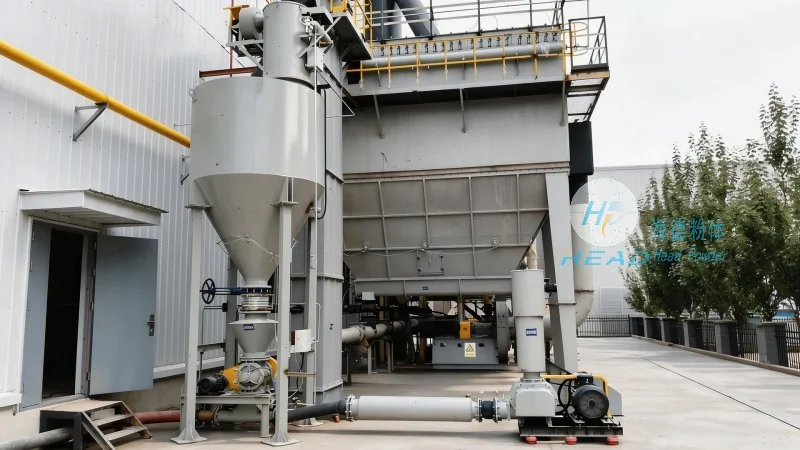
Several critical components contribute to the effective operation of a multi-hopper pneumatic conveying system. The multi-hopper pump is the primary driver, responsible for creating the pressure differential needed for material transport. Each hopper is equipped with a feeder mechanism, such as a rotary valve or a screw feeder, to control the flow rate of the material. The air supply system includes a blower or compressor, which generates the required air pressure, and a filter to remove contaminants from the air. The conveying pipeline is typically made of stainless steel or other corrosion-resistant materials to prevent material buildup and ensure durability. Additionally, the system may incorporate a control panel that monitors pressure, flow rate, and other parameters to ensure optimal operation.
Operation Process of Multi-Hopper Pneumatic Conveying
The operation process of a multi-hopper pneumatic conveying system involves several sequential steps. First, the material is loaded into each hopper, ensuring that the correct material is placed in the appropriate hopper. The feeder mechanisms are then activated to start the material flow from the hoppers into the conveying line. The air supply system is turned on, and the blower generates the necessary pressure to draw the material from the hoppers. As the material is drawn into the pipeline, it is mixed with the air and transported to the discharge point. The system may include a series of intermediate points, such as cyclone separators, where the material is separated from the air and directed to the next stage of processing. The control panel continuously monitors the system parameters, adjusting the air pressure and flow rate as needed to maintain consistent performance. Once the material reaches the discharge point, it is collected in a receiving hopper or directly into a processing unit.

Advantages of Multi-Hopper Pneumatic Conveying Systems
Multi-hopper pneumatic conveying systems offer several advantages over traditional material handling methods. One of the key benefits is the ability to handle a wide range of materials, including powders, granules, and bulk solids, without the need for mechanical components that can cause wear and tear. The system is also highly flexible, allowing for the transport of multiple materials in sequence or simultaneously, which enhances production efficiency. Additionally, the pneumatic transport method minimizes product contamination and degradation, as the material is not in direct contact with the conveying equipment. The system is also relatively compact and can be installed in confined spaces, making it suitable for various industrial settings. Furthermore, the multi-hopper design allows for the storage of different materials in separate hoppers, reducing the risk of cross-contamination and enabling the handling of hazardous materials in a controlled environment.

Applications and Industries
Multi-hopper pneumatic conveying systems are widely used in various industries due to their versatility and efficiency. In the chemical industry, they are used to transport raw materials and finished products, such as powders and granules, between processing units. The food and pharmaceutical industries rely on these systems to handle sensitive materials, ensuring that the products remain free from contamination and maintain their quality. The mining industry uses multi-hopper systems to transport ore and other bulk materials from mining sites to processing facilities. Additionally, the system is used in the agricultural sector to transport grains and other agricultural products. The flexibility of the multi-hopper design allows it to be adapted to various applications, making it a popular choice for bulk material handling.
Maintenance and Operational Considerations
Proper maintenance is essential to ensure the reliable operation of a multi-hopper pneumatic conveying system. Regular inspection of the hoppers, feeders, and air supply system is necessary to identify and address any issues before they become major problems. The air filter should be cleaned or replaced regularly to prevent clogging and maintain air quality. The conveying pipeline should be inspected for signs of wear or corrosion, and any damaged sections should be replaced promptly. The control panel should be checked regularly to ensure that all sensors and controls are functioning correctly. Additionally, the system should be operated within the recommended pressure and flow rate ranges to avoid damage to components. Proper training of operators is also crucial to ensure that the system is used correctly and safely. By following these maintenance and operational guidelines, the system can operate efficiently and reliably for extended periods.