

Operation Process and Working Principle of Dry Sludge Pneumatic Conveying Lines
Dry sludge pneumatic conveying lines are essential equipment in modern waste management and industrial processes, designed to transport dry sludge efficiently and safely. This technology offers a reliable solution for handling sludge, which is often a challenge due to its moisture content and potential for clogging in traditional conveyance systems. The process leverages compressed air to move dry sludge through a pipeline, ensuring minimal maintenance and operational flexibility.

Company Overview: Shandong HeadPowder Engineering Co., Ltd.
HeadPowder, a leading manufacturer based in Shandong, China, specializes in the design, production, and installation of advanced pneumatic conveying systems. With years of experience in the industry, HeadPowder has developed a reputation for delivering high-quality equipment tailored to the unique needs of clients in various sectors, including wastewater treatment, food processing, and chemical manufacturing. The company’s commitment to innovation and customer satisfaction has positioned it as a trusted partner for businesses seeking efficient sludge handling solutions.
Key Components of a Dry Sludge Pneumatic Conveying System
A typical dry sludge pneumatic conveying line consists of several critical components that work in harmony to ensure smooth operation. These include the sludge dryer, air compressor, conveying pipeline, and control system. The sludge dryer is responsible for reducing the moisture content of the sludge to a level suitable for pneumatic transport, typically below 10% moisture. The air compressor generates the necessary pressure to move the dry sludge through the pipeline, while the conveying pipeline, often made of stainless steel or other corrosion-resistant materials, ensures durability and resistance to the abrasive nature of sludge. The control system monitors and regulates the flow of air and sludge, preventing overloading and ensuring consistent performance.

The Working Principle of Dry Sludge Pneumatic Conveying
The core of the dry sludge pneumatic conveying process is the use of compressed air to create a flow that transports the dry sludge particles. When the air compressor is activated, it forces air into the pipeline, creating a pressure differential that propels the sludge. The dry sludge, now in a fine powder or granular form, is entrained by the air stream and carried to the destination point. This method is known as the "air-assisted" or "pressure" conveying system, which is particularly effective for dry materials with low moisture content. The system operates by maintaining a consistent air velocity and pressure, ensuring that the sludge particles are not deposited or clogged in the pipeline.
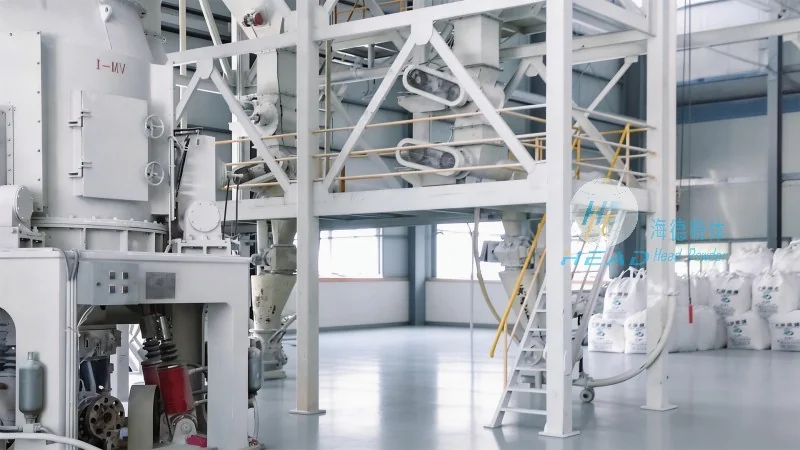
Operation Process of a Dry Sludge Pneumatic Conveying Line
The operation of a dry sludge pneumatic conveying line involves several sequential steps that ensure efficient and safe transport. First, the sludge is collected from the source, such as a wastewater treatment plant or industrial facility. It is then fed into the sludge dryer, where it is heated and dried to reduce moisture content. The dried sludge is then transferred to the conveying system, where it is mixed with compressed air from the air compressor. The air and sludge mixture is then introduced into the pipeline, where it travels to the discharge point. The control system continuously monitors the pressure and flow rates, adjusting the air supply as needed to maintain optimal performance. At the destination, the sludge is separated from the air using a cyclone or other separation equipment, and the air is recycled back to the compressor. This closed-loop system minimizes energy consumption and ensures environmental compliance.
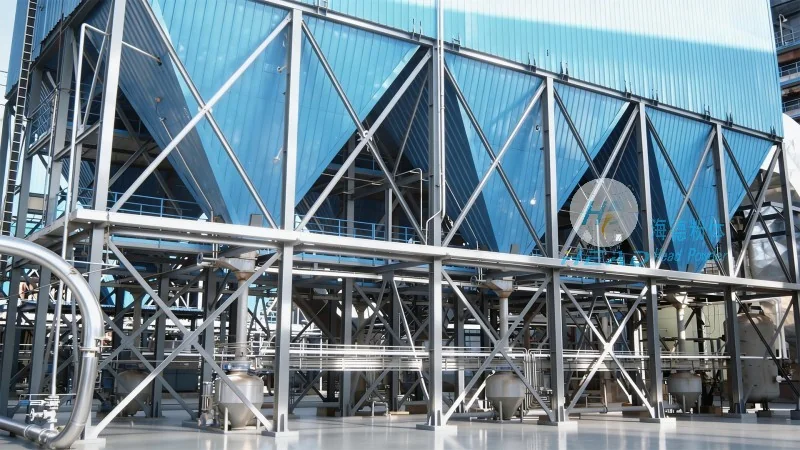
Advantages of Dry Sludge Pneumatic Conveying Lines
Compared to traditional sludge handling methods, dry sludge pneumatic conveying lines offer several significant advantages. These include reduced transportation costs, as the sludge is transported in a dry form, eliminating the need for additional drying or storage. The system also minimizes environmental impact by reducing the volume of sludge that needs to be disposed of, and it eliminates the risk of clogging and blockages commonly associated with wet sludge transport. Additionally, the dry conveying process is more energy-efficient, as it requires less power to move the sludge compared to other methods. The equipment is also easy to install and maintain, with minimal downtime required for repairs. These advantages make dry sludge pneumatic conveying lines an attractive solution for businesses looking to improve their sludge management processes.
Applications and Industries
Dry sludge pneumatic conveying lines are widely used in various industries where sludge handling is a critical operation. In the wastewater treatment industry, these systems are used to transport dried sludge from treatment plants to disposal sites or for further processing. In the food processing industry, they are used to handle sludge from meat processing or dairy operations, ensuring efficient and hygienic transport. The chemical industry also benefits from this technology, as it allows for the safe and efficient transport of sludge from chemical processing facilities. Additionally, the system is used in the pharmaceutical and biotechnology sectors, where the handling of sludge requires strict hygiene and contamination control measures.