

Principle and Working Scene Characteristics of Dry Sludge Material Handling Systems
Understanding the core principles and operational characteristics of dry sludge material handling systems is essential for industries dealing with wastewater treatment and solid waste management. These systems are designed to transport dry or semi-dry sludge efficiently, ensuring optimal performance in various industrial applications. The following sections will delve into the fundamental principles behind these systems and highlight key working scene characteristics that define their effectiveness.

Core Principles of Dry Sludge Material Handling
The primary principle of dry sludge material handling systems is to convert wet sludge into a dry or semi-dry state, making it easier to transport and handle. This process typically involves dewatering techniques such as centrifugation, filtration, or evaporation. By reducing the moisture content, the sludge becomes more manageable and less prone to clogging or blockages in transport pipelines. The system’s design focuses on maintaining consistent material flow, minimizing energy consumption, and ensuring environmental compliance. Key components include sludge feed mechanisms, dewatering units, conveyor systems, and control panels that regulate the entire process. The integration of these components ensures a seamless operation from sludge intake to final disposal or reuse.

Working Scene Characteristics: Industrial Applications
Dry sludge material handling systems are widely used in various industrial settings, each with distinct operational requirements. For instance, in municipal wastewater treatment plants, these systems handle large volumes of sludge generated from primary and secondary treatment processes. The working scene here involves continuous operation, high throughput, and the need for robust equipment to withstand harsh conditions. In industrial facilities, such as pulp and paper mills or food processing plants, the systems process sludge with higher solid content, requiring specialized dewatering methods to achieve the desired dryness. The working scene in these environments often includes integration with existing infrastructure, such as existing pipelines or storage tanks, to streamline the overall waste management process.

Technical Advantages and Efficiency
One of the key advantages of dry sludge material handling systems is their ability to improve operational efficiency and reduce costs. By minimizing the volume of sludge through dewatering, transportation and disposal expenses are significantly reduced. The systems also enhance safety by reducing the risk of sludge-related accidents, such as spills or blockages. Additionally, the dry sludge can be repurposed as a resource, such as in soil conditioning or as a fuel source, contributing to sustainable waste management practices. The technology employed in these systems, including advanced control systems and energy-efficient motors, ensures consistent performance and low maintenance requirements. This makes them suitable for long-term, continuous operation in demanding industrial environments.
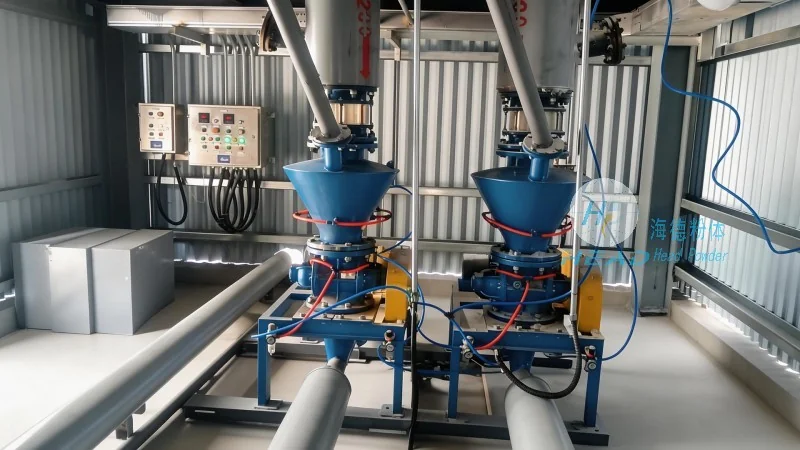
Company Overview: Shandong HeadPowder Engineering Co., Ltd.
HeadPowder, a leading provider of engineering solutions for material handling systems, specializes in designing and manufacturing dry sludge processing equipment. With a strong presence in China, particularly in Shandong province, the company has established itself as a trusted partner for industries seeking reliable and efficient sludge management solutions. The company’s expertise lies in customizing systems to meet specific client needs, ensuring optimal performance and compliance with environmental regulations. HeadPowder’s commitment to innovation and quality has enabled it to deliver cutting-edge solutions that address the evolving challenges in wastewater treatment and solid waste management. The company’s team of experienced engineers and technicians work closely with clients to understand their operational requirements and provide tailored solutions that enhance productivity and sustainability.