

Principles and Working Scene Characteristics of Cotton Fiber Material Handling Systems
HeadPowder, a leading provider in the field of material handling solutions, specializes in the design, manufacturing, and implementation of advanced cotton fiber material handling systems. These systems are engineered to optimize the flow of cotton fibers from raw material reception to processing and storage, ensuring efficiency and reliability in textile production environments. The following content explores the fundamental principles behind these systems and highlights the key working scene characteristics that define their application in modern textile industries.

Overview of Cotton Fiber Material Handling Systems
Cotton fiber material handling systems are sophisticated mechanical and pneumatic systems designed to transport, sort, and store cotton fibers with precision and speed. These systems are integral to the textile manufacturing process, as they facilitate the seamless movement of raw cotton from bales to processing machinery. The systems typically integrate conveyor belts, air handling units, and automated sorting mechanisms to handle the unique properties of cotton fibers, such as their lightweight nature and tendency to clump or entangle. By leveraging advanced engineering and material science, HeadPowder’s systems ensure that cotton fibers are processed with minimal loss and maximum efficiency, meeting the high standards of the textile industry.
Core Principles of Material Handling in Cotton Processing
The core principles of cotton fiber material handling systems revolve around the efficient management of bulk materials while maintaining the integrity of the fibers. Key principles include: 1) **Gravity and Mechanical Conveyance**: Utilizing gravity to move cotton fibers down inclined surfaces, combined with mechanical conveyors to transport materials horizontally or vertically. 2) **Aerodynamics and Pneumatic Systems**: Employing air currents to separate and move fibers, especially in systems that require fine sorting or dust removal. 3) **Automation and Control**: Integrating sensors and control systems to monitor and adjust the flow of materials in real-time, ensuring consistent performance and reducing human error. 4) **Material Compatibility**: Designing components from materials that are resistant to the abrasive and moisture properties of cotton fibers, ensuring long-term durability and minimal maintenance.

Working Scene Characteristics of Cotton Fiber Handling Systems
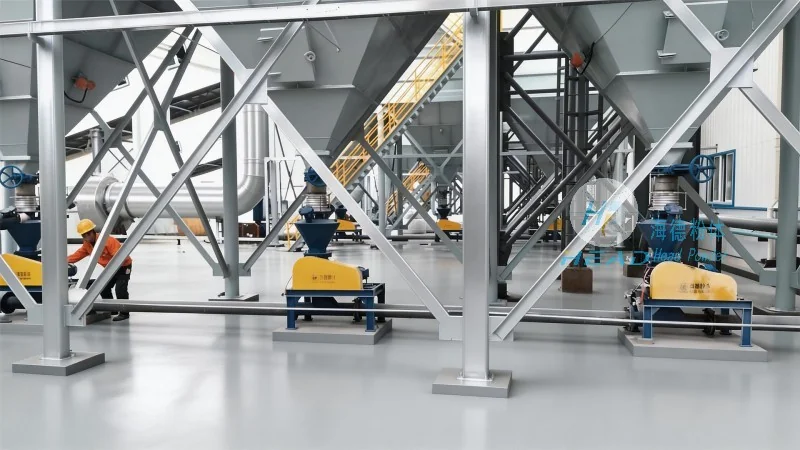
The working scene characteristics of cotton fiber material handling systems are tailored to the specific demands of textile production environments. These characteristics include: 1) **High Throughput and Continuous Operation**: Systems are designed to handle large volumes of cotton bales, often operating 24/7 to support continuous production lines. 2) **Space Optimization**: Compact and modular designs allow for installation in limited factory spaces, maximizing the use of available floor area. 3) **Safety and Ergonomics**: Incorporating safety features such as enclosed conveyor systems, emergency stop buttons, and ergonomic controls to protect operators and enhance workplace safety. 4) **Integration with Processing Equipment**: Seamless integration with spinning, weaving, and finishing machinery to form a cohesive production line, reducing material handling bottlenecks and improving overall workflow. 5) **Environmental Considerations**: Incorporating dust collection and filtration systems to maintain air quality and comply with environmental regulations, ensuring a clean and healthy working environment.
Application Scenarios and Industry Impact
Cotton fiber material handling systems are widely used in various textile production settings, including cotton ginning plants, spinning mills, and textile factories. In cotton ginning plants, these systems efficiently transport raw cotton from bales to the cleaning and processing stages, where fibers are separated from seeds and other impurities. In spinning mills, the systems ensure a steady supply of clean cotton fibers to the carding and spinning machines, which are critical for producing high-quality yarn. The impact of these systems on the textile industry is significant, as they contribute to increased productivity, reduced labor costs, and improved product quality. By streamlining the material handling process, HeadPowder’s systems enable textile manufacturers to meet market demands more effectively and maintain a competitive edge in the global market.
Conclusion
HeadPowder’s cotton fiber material handling systems exemplify the fusion of advanced engineering principles and practical application in the textile industry. By adhering to the core principles of efficient material flow, automation, and durability, these systems address the unique challenges of cotton processing while delivering reliable performance. The working scene characteristics of these systems, including high throughput, space optimization, and safety features, make them indispensable in modern textile production environments. As the textile industry continues to evolve, the role of advanced material handling systems will remain crucial in ensuring the efficiency and sustainability of cotton fiber processing. HeadPowder remains committed to providing innovative solutions that meet the evolving needs of the industry, supporting manufacturers in achieving their production goals with precision and reliability.