

Principle and Working Scene Characteristics of Powder Conveying Equipment
Shandong HeadPowder Engineering Co., Ltd., commonly referred to as headpowder, is a leading manufacturer of powder conveying systems based in Shandong, China. The company specializes in providing advanced solutions for the efficient and reliable transportation of bulk powders across various industrial sectors. This article explores the fundamental principles behind powder conveying equipment and highlights the key characteristics of its operational scenarios.

Company Overview and Core Focus
Headpowder, headquartered in Shandong, China, has established itself as a trusted provider of powder handling technologies. The company's expertise lies in designing and manufacturing systems that optimize material flow, enhance production efficiency, and ensure compliance with industry standards. By leveraging cutting-edge engineering and customer-centric approaches, headpowder delivers tailored solutions for diverse applications, from small-scale operations to large-scale industrial processes.
The Principle of Powder Conveying Systems
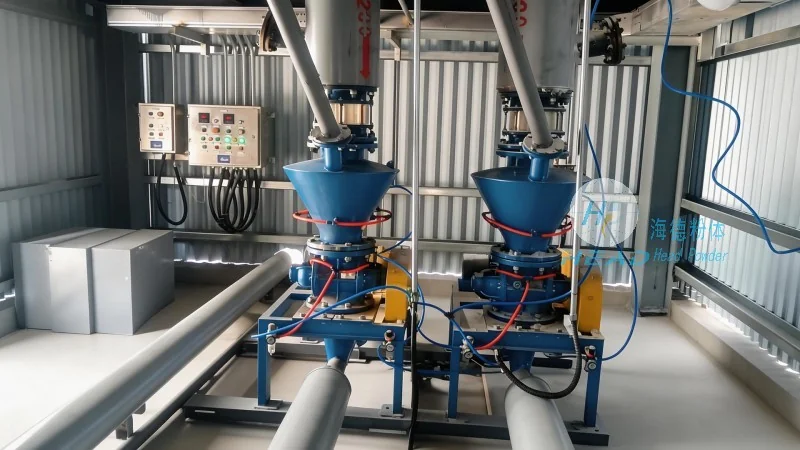
The powder conveying system operates on the principle of utilizing mechanical or pneumatic forces to transport bulk materials from a source to a destination. Key components of the system include feeders, conveying pipes, control valves, and dust collectors. The process typically involves feeding the powder into the system, where it is either carried by a moving medium (such as air in pneumatic systems) or moved mechanically (such as through screws or belts). The control system regulates the flow rate, pressure, and direction of the material, ensuring precise and consistent delivery. For instance, pneumatic conveying systems use compressed air to create a flow that propels the powder through the pipeline, while mechanical systems rely on rotating screws or belts to push the material forward.

Working Scene Characteristics: Efficiency and Adaptability
The operational characteristics of powder conveying systems are tailored to meet the demands of modern industrial environments. These systems are designed to handle a wide range of powder types, including fine powders, granules, and bulk materials, with adjustable parameters to accommodate varying material properties. The efficiency of the system is evident in its ability to minimize material loss, reduce downtime, and maintain consistent flow rates, which are critical for maintaining production continuity. Additionally, the system's adaptability allows it to integrate seamlessly with existing production lines, reducing the need for extensive modifications and lowering overall operational costs.
Application Scenarios in Diverse Industries
Powder conveying systems find extensive applications across multiple industries, each benefiting from the system's unique capabilities. In the chemical industry, the equipment is used to transport raw materials to reactors, ensuring a steady supply of ingredients for chemical reactions. The food industry relies on these systems for handling ingredients like flour, sugar, and spices, maintaining hygiene standards and preventing contamination. In the pharmaceutical sector, the systems are employed to transport active pharmaceutical ingredients (APIs) and excipients, adhering to stringent quality and safety regulations. The versatility of the powder conveying system makes it an essential component in these industries, enabling efficient production and product quality.
Key Advantages and Operational Benefits
Implementing a powder conveying system offers several advantages that contribute to improved operational performance. The system's ability to handle high volumes of material with minimal labor significantly enhances productivity. Moreover, the automated control features reduce human error, ensuring consistent and reliable material delivery. The low maintenance requirements and long service life of the equipment further contribute to cost savings over time. By optimizing material flow and reducing waste, the system also supports sustainability goals, making it an environmentally friendly choice for industrial operations.
Conclusion: The Role of Powder Conveying Systems in Modern Manufacturing
As industries continue to evolve and demand higher efficiency and precision, powder conveying systems remain a vital technology for material handling. Headpowder's expertise in designing and manufacturing these systems ensures that clients receive solutions that meet their specific needs. By understanding the principles and operational characteristics of powder conveying equipment, businesses can make informed decisions to enhance their production processes and achieve competitive advantages. The integration of advanced engineering and practical applications in these systems highlights their importance in modern manufacturing, where reliable and efficient material transport is essential for success.