

Working Principle and Features of Silicone Powder Material Conveying Lines
For industries dealing with silicone powder, efficient and reliable material handling is crucial. The silicone powder material conveying line is a specialized system designed to transport these fine powders with precision and minimal loss. This article explores the working principle and key features of such a system, highlighting how it enhances operational efficiency in processing facilities.

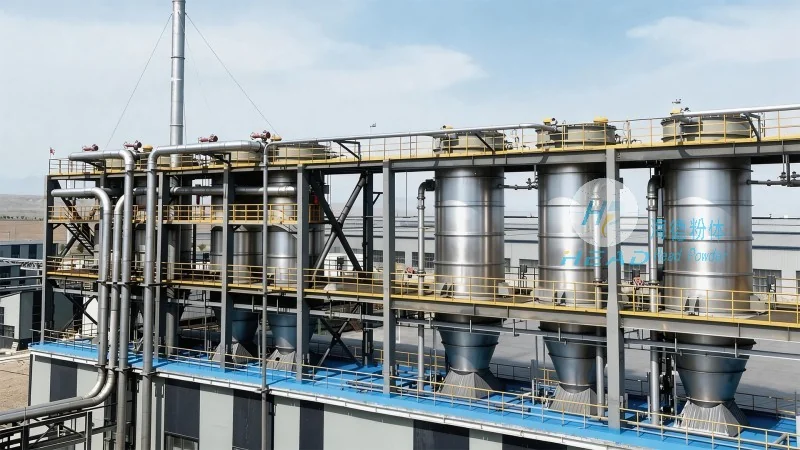


Working Principle of the Silicone Powder Material Conveying Line
The conveying line operates on a combination of mechanical and pneumatic principles, tailored to handle the unique properties of silicone powder. At its core, the system typically includes a series of components such as feeders, conveyors, and control units. The process begins with the silicone powder being fed into the system, often through a hopper or a bulk material feeder. This initial step ensures a consistent flow of material into the conveying line. Once inside, the powder is transported via either a screw conveyor, a pneumatic conveyor, or a combination of both, depending on the specific requirements of the application. The screw conveyor uses rotating screws to move the powder along a tube, while the pneumatic conveyor utilizes compressed air to create a flow, often with the assistance of a venturi or a rotary valve. The system is equipped with sensors and control mechanisms to monitor the flow rate and pressure, ensuring optimal performance and preventing blockages or overloading. The final output is delivered to the processing unit or storage area, completing the material transfer cycle. The entire process is automated, with real-time monitoring and adjustment capabilities to maintain consistent performance and prevent downtime.
Key Features of the Silicone Powder Material Conveying Line
Several key features distinguish the silicone powder material conveying line from conventional systems, making it ideal for handling fine powders. First, the system is designed with minimal material contact, reducing the risk of contamination and ensuring product purity. The components are typically made of food-grade or industrial-grade materials, such as stainless steel or special polymers, which are resistant to corrosion and wear from the silicone powder. Second, the conveying line offers high efficiency and low energy consumption. The use of screw or pneumatic conveyors allows for smooth and continuous material movement, minimizing downtime and energy waste. Third, the system is highly customizable to meet the specific needs of different applications. It can be adjusted for varying powder types, flow rates, and distances, making it versatile for various industrial settings. Fourth, the system incorporates advanced control technology, including sensors and automated controls, to ensure precise operation and safety. This technology allows for real-time monitoring of the conveying process, enabling quick adjustments and preventing potential issues before they escalate. Finally, the system is built for durability and longevity, with robust construction that can withstand the demands of continuous operation in industrial environments. These features collectively contribute to improved productivity and reduced operational costs for businesses.