

[WOKING PRINCIPLE AND FEATURES OF TRILITHIUM LITHIUM POWDER CONVEYING LINE]
Trilithium lithium powder conveying lines are critical components in the production and processing of lithium-based materials, particularly in the battery manufacturing sector. These systems are designed to efficiently transport fine powders, such as trilithium compounds, ensuring consistent quality and safety throughout the material handling process. Understanding the working principle and key features of such lines is essential for optimizing industrial operations and maintaining high standards in lithium powder processing.

Working Principle of Trilithium Lithium Powder Conveying Lines
The operation of trilithium lithium powder conveying lines typically involves a series of interconnected components that work in tandem to move powder from one location to another. The core mechanism often relies on pneumatic or mechanical systems, with the choice of method depending on the specific characteristics of the powder and the operational requirements. In pneumatic conveying systems, for example, compressed air is used to create a flow that transports the powder through a network of pipes. This approach is particularly effective for handling fine, dust-like materials like trilithium powders, as it minimizes particle degradation and ensures a clean, controlled transfer process. Mechanical conveying systems, on the other hand, may utilize screw conveyors, belt conveyors, or vibrating conveyors, which rely on physical force to move the powder. These systems are often preferred for bulkier or more abrasive powders, providing a robust solution for industrial applications.
At the heart of the conveying line is the feeding mechanism, which introduces the trilithium powder into the system. This component must be designed to handle the specific flow properties of the powder, ensuring a consistent feed rate without causing blockages or uneven distribution. The feeding system may include hoppers, feeders, or rotary valves, each tailored to the material's characteristics. Once the powder is fed into the system, it moves through the conveying pipeline, which is typically made of materials resistant to corrosion and wear, such as stainless steel or specialized polymers. The pipeline design is crucial, as it must accommodate the flow dynamics of the powder while minimizing pressure drops and ensuring efficient transport. The conveying line may also include control valves, filters, and dust collection systems to regulate the flow and maintain environmental safety. These components work together to create a seamless process from the initial feeding stage to the final discharge point, where the trilithium powder is delivered to the next stage of processing or storage.

Key Features of Trilithium Lithium Powder Conveying Lines
Trilithium lithium powder conveying lines are characterized by several key features that enhance their performance and reliability. One of the most significant features is their ability to handle fine, sensitive powders without causing agglomeration or degradation. This is achieved through specialized design elements, such as low-velocity conveying in pneumatic systems, which reduces particle impact and maintains the powder's integrity. Another important feature is the system's flexibility, allowing for adjustments in flow rate, direction, and capacity to meet varying production demands. This adaptability is particularly valuable in dynamic manufacturing environments where production volumes or product specifications may change frequently.
Efficiency is a critical feature of these conveying lines, as they are engineered to minimize energy consumption and maximize throughput. Advanced control systems and optimized pipeline designs contribute to reduced operational costs and improved productivity. Additionally, the lines are designed with safety in mind, incorporating features such as dust suppression, explosion-proof components, and emergency shut-off mechanisms to protect operators and the environment. These safety measures are essential in handling lithium powders, which can be flammable or reactive under certain conditions. The lines also often include monitoring and diagnostic tools, enabling real-time tracking of performance and early detection of potential issues, thereby preventing downtime and ensuring continuous operation.

Another notable feature is the system's compatibility with various processing equipment. Trilithium lithium powder conveying lines can be integrated seamlessly with other industrial machinery, such as mixers, classifiers, and storage silos, creating a cohesive production line. This integration allows for streamlined material flow and reduces the need for manual handling, which can be hazardous and inefficient. The lines are also designed for easy maintenance and cleaning, with features like quick-release connections and easy-to-access components that facilitate routine upkeep. This reduces downtime and ensures the system remains in optimal condition, contributing to long-term reliability and cost-effectiveness.
Company Overview: Shandong HeadPowder Engineering Co., Ltd.
Shandong HeadPowder Engineering Co., Ltd., commonly known as headpowder, is a leading manufacturer and supplier of advanced powder handling solutions, including trilithium lithium powder conveying lines. With a strong focus on innovation and quality, the company has established itself as a trusted partner in the battery and lithium material industries. HeadPowder specializes in designing and manufacturing customized conveying systems tailored to the specific needs of its clients, ensuring that each solution meets the highest standards of performance and safety.
HeadPowder's commitment to excellence is reflected in its state-of-the-art manufacturing facilities and rigorous quality control processes. The company employs a team of experienced engineers and technicians who bring deep expertise in powder technology and industrial automation. This expertise allows HeadPowder to develop cutting-edge solutions that address the unique challenges of lithium powder processing, such as handling fine, reactive materials and maintaining consistent quality. The company's products are designed to be durable, efficient, and reliable, providing long-term value to its customers.
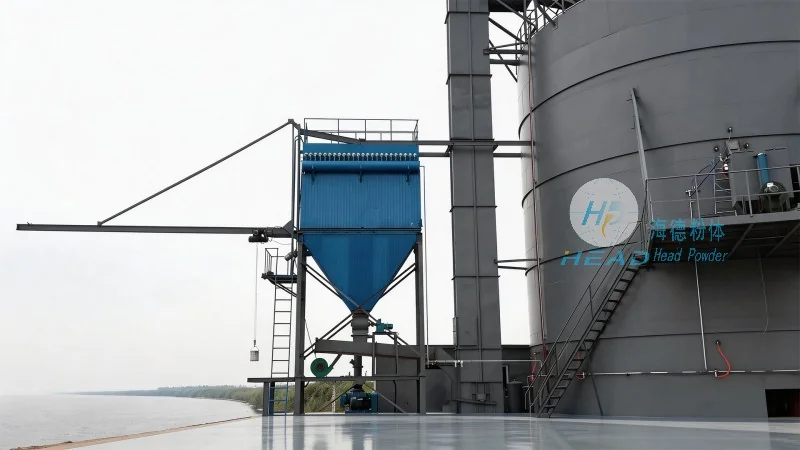
HeadPowder operates from its headquarters in Shandong, China, where it maintains a comprehensive research and development center. This facility enables the company to stay at the forefront of technological advancements in powder handling and to continuously improve its product offerings. The company's dedication to customer satisfaction is evident in its responsive service and technical support, ensuring that clients receive timely assistance and solutions to any issues that may arise. By combining technical innovation with a customer-centric approach, HeadPowder has built a reputation for delivering high-quality, reliable powder conveying systems that meet the demanding requirements of modern industrial applications.
Address and Location
Shandong HeadPowder Engineering Co., Ltd. is located in Shandong, China. The company's facilities are strategically positioned to serve clients across the region and beyond, providing efficient logistics and support for its products. The address reflects the company's roots in the Chinese manufacturing landscape, where it has established a strong presence in the powder handling industry.