

The Working Principle and Features of Expanded Clay Aggregate Powder Conveying Lines
For industrial applications requiring the efficient transport of expanded clay aggregate powder, understanding the working principle and key features of a specialized conveying line is crucial. This article provides an in-depth look at the technology behind such systems, highlighting how they enhance material handling efficiency while ensuring operational reliability.
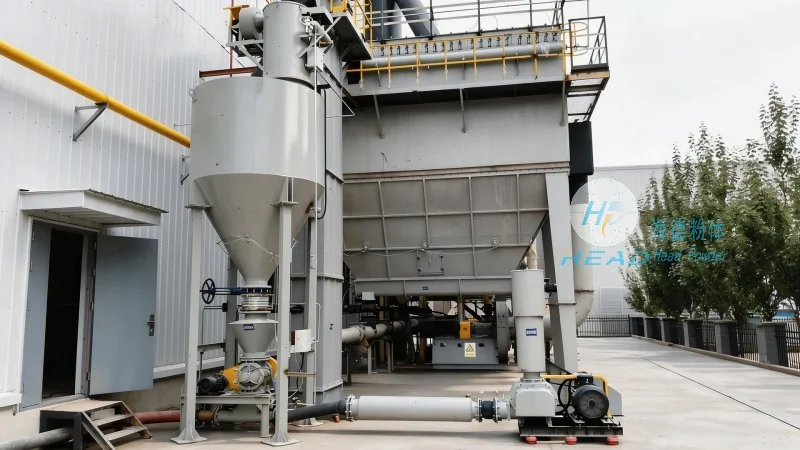
Understanding the Core Working Principle of Expanded Clay Aggregate Powder Conveying Lines
The expanded clay aggregate powder conveying line operates on the principle of pneumatic or mechanical transport, depending on the specific design and material characteristics. At its heart, the system typically comprises several interconnected components that work in tandem to move powder from a source to a destination. The process begins with the loading of the expanded clay aggregate powder into a hopper or storage silo. From there, the material is fed into a conveyor system, which may use air pressure (in pneumatic systems) or mechanical components (in mechanical systems) to propel the powder through a pipeline or duct.
In pneumatic conveying systems, compressed air is used to create a flow that carries the powder particles. The air pressure differential between the inlet and outlet of the pipeline ensures that the powder is moved efficiently. This method is particularly effective for handling fine powders like expanded clay aggregate, as it minimizes product degradation and contamination. Mechanical conveying systems, on the other hand, rely on screw conveyors, belt conveyors, or bucket elevators to transport the material. These systems are often preferred for bulkier or more abrasive materials, though they may require additional maintenance to prevent wear and tear.
The conveying line also includes control mechanisms to regulate the flow rate and pressure, ensuring consistent performance. Sensors and valves are integrated into the system to monitor and adjust the air or mechanical force as needed. This automation helps maintain optimal operating conditions and prevents overloading or underloading of the conveyor. The entire process is designed to be energy-efficient and low-maintenance, making it suitable for continuous industrial operations.

Key Features of Expanded Clay Aggregate Powder Conveying Lines
Several distinct features set expanded clay aggregate powder conveying lines apart from traditional material handling solutions. One of the most notable is their ability to handle fine, abrasive powders without causing product degradation. The design of the conveying components, such as the use of smooth, corrosion-resistant materials in pneumatic systems or heavy-duty bearings in mechanical systems, ensures that the powder remains intact during transport.
Another critical feature is the system's adaptability to varying material properties. Whether the expanded clay aggregate is dry, moist, or contains additives, the conveying line can be adjusted to accommodate these changes. This flexibility is achieved through adjustable air pressure settings, variable speed drives, or modular components that can be reconfigured as needed. The result is a versatile system capable of handling diverse production requirements.
Operational safety is also a key feature of these conveying lines. The design incorporates safety valves, pressure relief mechanisms, and emergency shut-off systems to prevent accidents and protect personnel. Additionally, the system is often equipped with dust suppression features, such as cyclone separators or dust filters, to minimize airborne particles and maintain a safe working environment. These safety measures are essential in industrial settings where fine powders can pose health risks or cause environmental contamination.
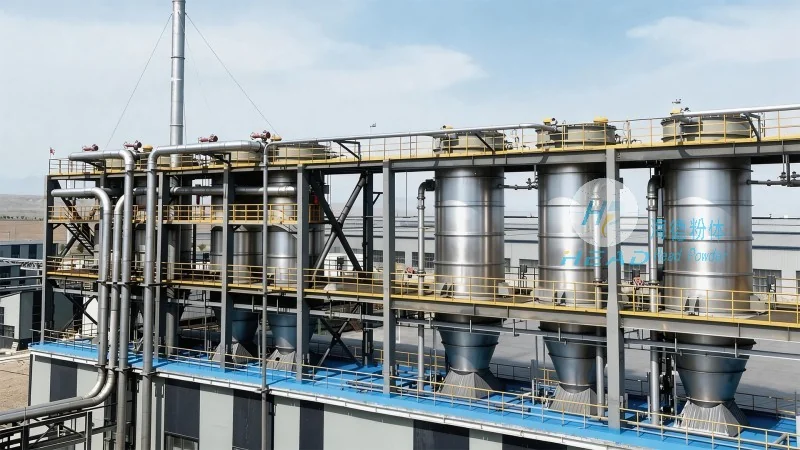
Energy efficiency is another advantage of modern expanded clay aggregate powder conveying lines. Advanced control systems and optimized component designs reduce energy consumption while maintaining high transport efficiency. For example, variable frequency drives (VFDs) adjust motor speeds to match the actual load, preventing unnecessary energy waste. The use of high-efficiency fans and compressors further contributes to lower operational costs over time. This focus on energy efficiency makes the system economically viable for long-term industrial use.
Customization and Integration with Industrial Processes
Expanded clay aggregate powder conveying lines are often customized to fit specific industrial processes, ensuring seamless integration with existing production lines. Manufacturers like Shandong HeadPowder Engineering Co., Ltd. offer tailored solutions that consider factors such as production volume, material characteristics, and facility layout. The customization process involves detailed consultation with clients to understand their unique requirements, followed by the design and fabrication of a system that meets those needs.
Integration with other industrial equipment, such as mixing tanks, storage silos, or processing machinery, is a key aspect of the conveying line's functionality. The system can be connected to existing infrastructure through standardized interfaces or custom adapters, minimizing disruption to current operations. This integration allows for a streamlined workflow, where the conveying line acts as a critical link between different stages of the production process. For example, the conveying line may transport expanded clay aggregate from a storage silo to a mixing machine, ensuring a consistent feed rate and preventing bottlenecks in the production line.

The modular design of the conveying line also facilitates easy expansion or modification as production needs change. Additional components, such as extra hoppers, conveyors, or processing units, can be added to the system without major overhauls. This scalability makes the system suitable for growing businesses or changing production demands. The ability to adapt to evolving industrial requirements is a significant advantage of these conveying lines, ensuring long-term value for the investment.
Maintenance and Longevity of the Conveying System
Proper maintenance is essential to ensure the longevity and reliability of an expanded clay aggregate powder conveying line. Regular inspections and maintenance procedures help identify and address potential issues before they lead to system failures. The maintenance schedule typically includes cleaning of components, lubrication of moving parts, and replacement of worn parts as needed. For pneumatic systems, this may involve cleaning the air filters and checking the condition of the pipeline for leaks or blockages. For mechanical systems, the focus is on inspecting bearings, belts, and gears for wear and tear.
Professional maintenance services, often provided by manufacturers like Shandong HeadPowder Engineering Co., Ltd., are recommended to ensure optimal performance. These services include comprehensive inspections, troubleshooting, and repairs, which help extend the lifespan of the system and reduce downtime. The use of high-quality, durable components also contributes to the system's longevity. For example, the use of stainless steel or corrosion-resistant materials in pneumatic systems resists the abrasive nature of expanded clay aggregate, reducing the need for frequent replacements.