

What is a Pneumatic Conveying System for Wet Ammonium Nitrate Material? And What Are Its Design Prin
When it comes to handling wet ammonium nitrate material, the choice of an efficient and reliable conveying system is crucial for industrial operations. A pneumatic conveying system, specifically designed for such applications, offers a solution that ensures safe and effective material transport. This article delves into the specifics of a pneumatic conveying system for wet ammonium nitrate material, exploring its design principles and the key factors that make it suitable for this challenging material.

Pneumatic Conveying System for Wet Ammonium Nitrate Material: An Overview
A pneumatic conveying system for wet ammonium nitrate material is a type of equipment used to transport bulk materials through a pipeline using air or other gases as the conveying medium. Unlike mechanical conveying systems, which rely on physical components like belts or screws, pneumatic systems utilize the force of air to move material from one location to another. This method is particularly advantageous for handling materials that are prone to clumping, have high moisture content, or are otherwise difficult to move with traditional methods.
Wet ammonium nitrate is a common industrial chemical used in fertilizers, explosives, and other applications. Its high moisture content and potential for agglomeration make it challenging to transport without specialized equipment. The pneumatic conveying system addresses these challenges by creating a consistent flow of material through the pipeline, minimizing the risk of blockages and ensuring a smooth transfer process.
Key Design Principles of Wet Ammonium Nitrate Pneumatic Conveying Systems
The design of a pneumatic conveying system for wet ammonium nitrate material is based on several critical principles that ensure optimal performance and safety. These principles include the selection of appropriate air velocity, the use of suitable pipeline materials, and the incorporation of features that prevent material degradation or contamination.
First, the air velocity within the conveying pipeline is a critical design parameter. The velocity must be high enough to overcome the resistance of the material and prevent it from settling or clogging the system. However, excessive velocity can lead to increased energy consumption and potential damage to the material. Engineers typically calculate the optimal velocity based on the material's properties, such as its density, particle size, and moisture content. For wet ammonium nitrate, a velocity range of 20 to 30 meters per second is often recommended to ensure efficient transport without causing excessive wear on the equipment.
Second, the choice of pipeline material is essential for maintaining the integrity of the material and the system. Wet ammonium nitrate is an aggressive chemical that can corrode certain metals. Therefore, materials like stainless steel, polyethylene, or specialized coatings are commonly used for the pipeline and components. These materials resist corrosion and prevent the material from adhering to the interior surfaces, which helps maintain a smooth flow and reduces the risk of blockages.
Third, the system design incorporates features to handle the moisture content of the material. Wet ammonium nitrate often contains a significant amount of water, which can affect its flow characteristics. The system may include moisture control mechanisms, such as drying units or moisture separators, to reduce the water content before or during the conveying process. This helps prevent clogging and ensures that the material remains in a free-flowing state throughout the pipeline.
Components and Operation of the Pneumatic Conveying System
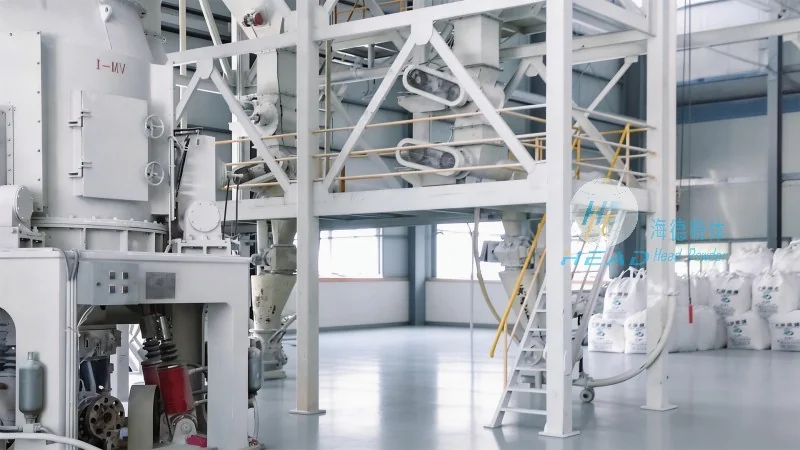
A pneumatic conveying system for wet ammonium nitrate material typically consists of several key components that work together to achieve efficient material transport. These components include a material feeder, a conveying pipeline, a fan or blower, and a discharge device.
The material feeder is responsible for introducing the wet ammonium nitrate into the system. It may be a screw feeder, a rotary valve, or a hopper with a controlled discharge mechanism. The feeder ensures a consistent flow of material into the pipeline, preventing surges or interruptions that could disrupt the conveying process.
The conveying pipeline is the main component that transports the material. It is usually made of durable materials like stainless steel or high-density polyethylene and is designed to withstand the pressure and temperature conditions of the conveying process. The pipeline may include bends, elbows, and other fittings that are carefully designed to minimize resistance and maintain the air velocity required for efficient transport.
The fan or blower provides the necessary air pressure to move the material through the pipeline. It generates a flow of air that entrains the material particles and carries them along the pipeline. The power of the fan is calculated based on the material's characteristics and the required conveying distance. For longer distances or higher material loads, more powerful fans may be used to maintain the required air velocity.
The discharge device is the final component of the system, where the material is released from the pipeline. It may be a rotary valve, a hopper, or a collection bin. The discharge device is designed to handle the material without causing it to settle or agglomerate, ensuring a smooth and controlled release.
Advantages of Using a Pneumatic Conveying System for Wet Ammonium Nitrate Material
There are several advantages to using a pneumatic conveying system for wet ammonium nitrate material. One of the primary benefits is the ability to handle the material's high moisture content and potential for clumping. The system's design ensures that the material remains in a free-flowing state throughout the pipeline, reducing the risk of blockages and improving overall efficiency.
Another advantage is the system's flexibility. Pneumatic conveying systems can be easily modified or expanded to accommodate changes in material flow rates or conveying distances. This makes them suitable for a wide range of industrial applications, from small-scale operations to large-scale production facilities.

Additionally, the system is relatively low maintenance compared to other conveying methods. Since it relies on air as the conveying medium, there are fewer moving parts that can wear out or require frequent replacement. This reduces downtime and maintenance costs, making it a cost-effective solution for industrial operations.
Applications and Industries Using Wet Ammonium Nitrate Pneumatic Conveying Systems
The pneumatic conveying system for wet ammonium nitrate material is widely used in various industries that require the handling of this chemical. The primary applications include the fertilizer industry, where wet ammonium nitrate is used as a raw material for producing nitrogen-based fertilizers. It is also used in the explosives industry, where the material is processed for use in blasting agents.
In the fertilizer industry, the system is used to transport wet ammonium nitrate from storage tanks to processing facilities or to different parts of the production line. The consistent flow provided by the pneumatic system ensures that the material is available when needed, improving the efficiency of the production process.
In the explosives industry, the system is used to transport wet ammonium nitrate to mixing and processing equipment. The system's ability to handle the material's moisture content and prevent clogging is critical for ensuring the safety and quality of the final product.
Conclusion
A pneumatic conveying system for wet ammonium nitrate material is a sophisticated piece of equipment that combines engineering principles with specialized design to address the unique challenges of handling this chemical. The system's design, based on air velocity, material compatibility, and moisture control, ensures efficient and safe transport of the material. By leveraging the power of air as a conveying medium, the system provides a reliable solution for industries that rely on wet ammonium nitrate in their operations.
For businesses in need of such equipment, it is essential to work with experienced manufacturers who understand the specific requirements of handling wet ammonium nitrate. Companies like Shandong HeadPowder Engineering Co., Ltd., based in China, specialize in designing and manufacturing pneumatic conveying systems tailored to the needs of industrial applications. Their expertise in material handling and system design ensures that clients receive equipment that is both efficient and safe, contributing to improved productivity and operational reliability.