

Alumina Crystal Material Pneumatic Conveying Equipment: What It Is and Its Design Principles
Alumina crystal material, a key component in various industrial applications, often requires efficient and reliable transportation methods. The pneumatic conveying equipment designed for alumina crystals addresses these needs by providing a solution that ensures safe, effective, and low-damage material handling. This article explores the fundamental aspects of such equipment, focusing on its design principles and the technology behind its operation.
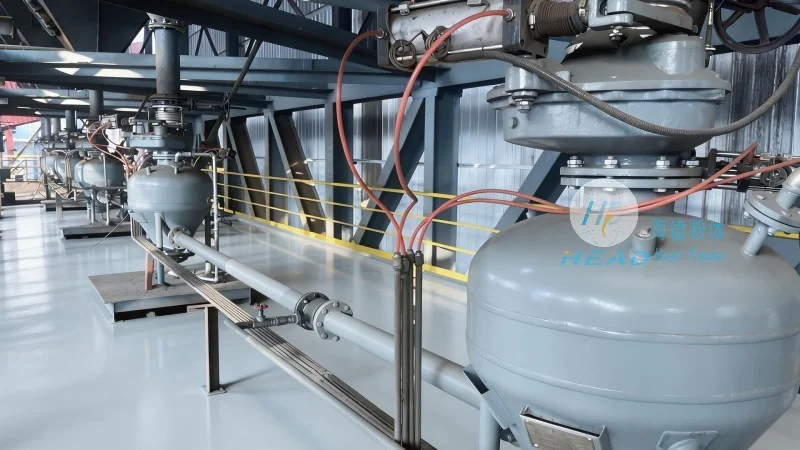
Understanding Pneumatic Conveying for Alumina Crystals
Pneumatic conveying systems utilize air or other gases to transport solid materials like alumina crystals through a pipeline. This method offers several advantages over traditional mechanical conveying, including reduced risk of material contamination, lower maintenance requirements, and the ability to handle materials in a closed system, minimizing dust and environmental impact. For alumina crystals, which are often sensitive to handling conditions, this technology is particularly beneficial as it preserves the material's quality and integrity during transport.
Key Design Principles of Alumina Crystal Pneumatic Conveying Equipment
The design of pneumatic conveying equipment for alumina crystals is guided by several critical principles to ensure optimal performance and material handling. These principles include maintaining appropriate air velocity to prevent material settling or blockage, selecting suitable pipeline materials that are resistant to corrosion and abrasion from the crystals, and incorporating features that minimize particle attrition or breakage. The system's design also considers the specific physical properties of alumina crystals, such as their size, density, and flow characteristics, to tailor the conveying process for maximum efficiency.

Components and Operational Mechanisms
The core components of an alumina crystal pneumatic conveying system typically include a material feed hopper, an air compressor or blower, a conveying pipeline, and a discharge or collection unit. The material is fed into the hopper, where it is then drawn into the pipeline by the moving air stream. The air velocity is carefully controlled to ensure the crystals are suspended and transported smoothly without causing excessive wear on the system components. The pipeline may include bends, expansions, or other features designed to accommodate the material's flow characteristics and maintain consistent air pressure throughout the conveying process.

Advantages and Applications
Alumina crystal pneumatic conveying equipment offers numerous benefits for industrial operations, particularly in sectors where the purity and quality of the material are paramount. These advantages include enhanced process control, reduced labor costs compared to manual handling, and improved safety by eliminating the need for direct human contact with the material. The equipment is widely used in applications such as the production of ceramics, refractory materials, and other high-value products where alumina crystals are a critical raw material. By ensuring efficient and reliable transport, the equipment supports the overall productivity and quality of the manufacturing process.
About Shandong HeadPowder Engineering Co., Ltd.
Shandong HeadPowder Engineering Co., Ltd., commonly known as HeadPowder, is a leading manufacturer specializing in the design and production of pneumatic conveying equipment for various industrial materials. With a strong focus on innovation and customer satisfaction, the company has established itself as a trusted provider in the field. HeadPowder's products are engineered to meet the specific needs of industries handling delicate or abrasive materials, such as alumina crystals, ensuring reliable performance and durability. The company's headquarters is located in Shandong, China, where it continues to develop advanced solutions for material handling challenges.