

What is Pepper Material Pneumatic Conveying? What are the Design Principles?
Pepper material pneumatic conveying is a key technology in the processing industry, particularly for handling spices and other dry, granular materials. This method involves transporting bulk materials like dried peppers through a pipeline using air or other gases as the conveying medium. The design principles of such systems are crucial for ensuring efficient, reliable, and cost-effective material transport, especially in applications involving sensitive or high-value products like peppers. Shandong HeadPowder Engineering Co., Ltd., a leading provider of engineering solutions for material handling, specializes in designing and implementing such systems for the spice processing sector.

Introduction to Pepper Material Pneumatic Conveying
Pepper material pneumatic conveying systems are widely used in the spice processing sector to move dried peppers from storage, processing, or packaging areas. Unlike traditional mechanical conveying methods, which rely on belts, screws, or buckets, pneumatic systems use air pressure to push or pull material through a sealed pipeline. This approach offers several advantages, including reduced contamination risk, lower maintenance requirements, and the ability to handle materials that are difficult to transport mechanically, such as those with irregular shapes or varying moisture content.
Core Components and System Design Principles
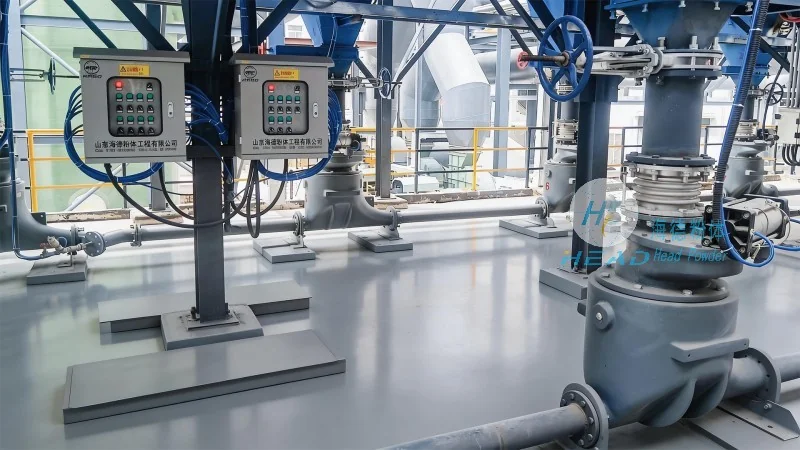
The design of a pepper material pneumatic conveying system typically involves several key components, each playing a critical role in the overall operation. The primary components include a feeder, a conveying line (often equipped with bends and expansion joints), a separator or filter, and a receiver or discharge point. The feeder is responsible for introducing the pepper material into the system at a controlled rate, ensuring consistent flow. The conveying line transports the material through the system, while the separator removes any air or fine particles, preventing contamination and maintaining material purity. The receiver then collects the conveyed pepper material for further processing or packaging.

One of the fundamental design principles is the selection of the appropriate conveying method, which can be categorized as either pressure or vacuum. Pressure systems use compressed air to push the material through the pipeline, while vacuum systems use a partial vacuum to pull the material. The choice between these methods depends on factors such as the distance to be covered, the material's properties (e.g., density, moisture content), and the desired system efficiency. For pepper processing, where materials are often light and dry, pressure systems are commonly preferred due to their ability to handle longer distances and higher material loads efficiently.
Material Characteristics and Their Impact on Design
Pepper material has specific characteristics that must be considered when designing a pneumatic conveying system. These characteristics include particle size, shape, density, and moisture content. For example, dried peppers are typically small, irregularly shaped particles with a relatively low bulk density. These properties affect the system's air velocity requirements and the risk of material degradation or blockage. A well-designed system must ensure that the air velocity is sufficient to prevent material settling in the pipeline but not so high as to cause excessive wear on components or degrade the pepper's quality. Additionally, the moisture content of the pepper is critical, as high moisture can lead to caking or agglomeration, which can impede the conveying process and require additional drying or conditioning steps.

System Performance and Optimization Considerations
The performance of a pepper material pneumatic conveying system is evaluated based on several key metrics, including conveying capacity, pressure drop, and energy efficiency. Conveying capacity refers to the amount of material that can be transported per unit time, which is influenced by the system's design, including the feeder speed, pipeline diameter, and air velocity. Pressure drop is the reduction in air pressure as it travels through the pipeline and components, and it must be managed to ensure sufficient pressure is available at the receiver. Energy efficiency is also a critical factor, as pneumatic systems can be energy-intensive. Design optimization involves balancing these factors to achieve the best possible performance while minimizing operational costs.
Applications and Industry Use Cases
Pepper material pneumatic conveying systems are used in various stages of pepper processing, from raw material handling to final product packaging. In the raw material handling stage, the system can transport dried peppers from storage silos or bulk containers to processing lines. During processing, it may be used to move peppers between different processing steps, such as grinding, sorting, or blending. Finally, in the packaging stage, the system can convey the finished pepper products into packaging machines or storage containers. The versatility of pneumatic conveying makes it an ideal solution for these applications, as it can handle materials with varying properties and can be integrated into existing processing lines with minimal disruption.
Conclusion
In conclusion, pepper material pneumatic conveying is a sophisticated and efficient method for transporting dried peppers and other similar materials. The design principles, which consider material characteristics, system components, and performance metrics, are essential for creating a reliable and cost-effective system. By understanding these principles and optimizing the system design, manufacturers can improve their processing efficiency, reduce operational costs, and maintain the quality of their pepper products. The technology continues to evolve, with advancements in materials and control systems enhancing its capabilities and expanding its applications in the spice processing industry.