

Operation Process and Working Principle of Waste Powder Pneumatic Conveying Machine
Waste powder pneumatic conveying machines are critical equipment in contemporary waste management systems, engineered to efficiently transport fine waste powders over extended distances while minimizing environmental impact. The operation of these machines involves a sequence of coordinated steps and mechanical processes that ensure reliable, continuous material handling. Understanding both the operation process and the underlying working principles is essential for optimizing performance and maintaining equipment efficiency.

Overview of Waste Powder Pneumatic Conveying Systems
Waste powder pneumatic conveying systems typically comprise several key components: a material feeder, a conveying pipeline, a separation unit, a fan or blower, and a discharge device. Each component serves a vital role in the overall operation, working in unison to achieve the goal of transporting waste powders from a source to a destination. The system can be classified into two primary types: suction (vacuum) systems and pressure systems, each with distinct operational characteristics and applications.
Key Components and Their Functions
The material feeder introduces the waste powder into the conveying system. It may be a rotary valve, star feeder, or screw feeder, depending on the particle size and flow characteristics of the waste material. The feeder ensures a consistent, controlled flow of powder, preventing blockages and maintaining system stability. The conveying pipeline, usually constructed from stainless steel or other corrosion-resistant materials, transports the powder mixture through the system. The separation unit—such as a cyclone or bag filter—separates the powder from the air stream, allowing the powder to be collected at the discharge point while the air is either recirculated or discharged. The fan or blower provides the necessary air pressure or vacuum to move the powder through the pipeline. The discharge device, often a rotary valve or gate valve, controls the release of the waste powder at the receiving end.

Operation Process: Step-by-Step Guide
The operation process of a waste powder pneumatic conveying machine begins with the preparation phase, where the system is checked for proper functionality and any potential issues are addressed. Once the system is ready, the following steps are typically executed:
- System Startup: The fan or blower is started, creating either a vacuum (for suction systems) or pressure (for pressure systems) within the pipeline. The fan speed is adjusted to the required airflow rate, which is determined by the type and quantity of waste powder being conveyed.
- Material Feeding: The material feeder is activated, feeding the waste powder into the pipeline at a controlled rate. The feeder speed is adjusted to match the airflow, ensuring the powder is fully entrained by the air and does not settle or cause blockages.
- Powder Transport: As the powder is fed into the pipeline, it is carried by the air stream, moving through the conveying line to the separation unit. The air-powder mixture travels at a high velocity, maintaining the powder in suspension and preventing deposition on pipeline walls.
- Separation and Collection: At the separation unit, the air stream is directed into a cyclone or other separation device. Centrifugal force causes heavier powder particles to be separated from the air and collected in a hopper or container. The cleaned air is then either recirculated back to the fan or discharged to the atmosphere.
- Discharge: The collected waste powder is discharged from the separation unit through the discharge device, which may be a rotary valve or gate valve. The discharge rate is controlled to match the receiving system's capacity, ensuring a smooth, continuous flow of material.
- System Shutdown: When conveying operation is complete, the system is shut down in reverse order of startup. The fan is turned off first, allowing the pipeline to depressurize. The material feeder is then stopped, and any remaining powder is cleared to prevent clogging.
Working Principle: How It Works
The working principle of waste powder pneumatic conveying machines is based on fluidization and suspension of solid particles in a gas stream. The process relies on the interaction between air flow and powder particles to achieve transport. In suction systems, a vacuum is created by the fan, drawing the powder from the source into the pipeline. The air flow entrains the powder particles, lifting them from the source and transporting them to the separation unit. In pressure systems, the fan supplies compressed air to the pipeline, pushing the powder from the source to the destination. The pressure differential drives material flow.

Key factors affecting efficiency include air velocity, particle size and density, and pipeline diameter. Proper air velocity is crucial to maintain powder in suspension and prevent settling or deposition. Particle size and density influence required airflow rate and system pressure. The pipeline diameter must be appropriately sized to accommodate air and powder volume, ensuring minimal pressure drop and efficient transport.
Applications and Benefits
Waste powder pneumatic conveying machines are widely used in various waste management applications, including transport of municipal solid waste (MSW) powders, industrial waste powders, and hazardous waste materials. Benefits of using pneumatic conveying for waste powder transport include:
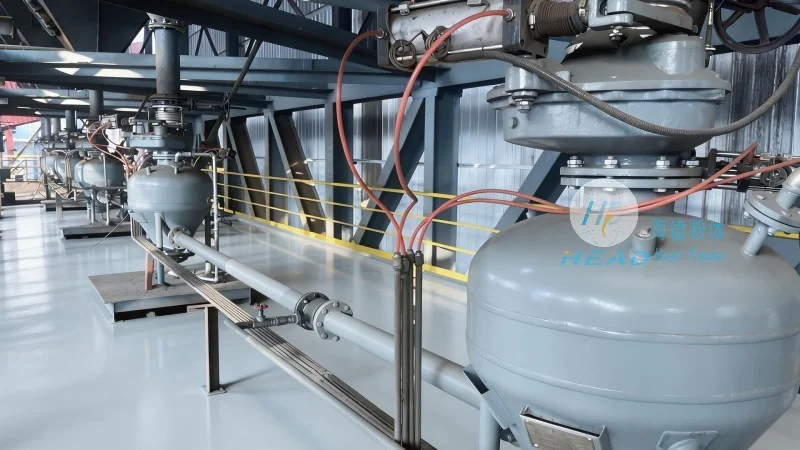
- Efficient Material Handling: Pneumatic conveying allows long-distance transport of waste powders with minimal labor and equipment, reducing manual handling and transportation needs.
- Environmental Protection: The enclosed system prevents dust emissions and contamination, ensuring compliance with environmental regulations and protecting worker and environmental health.
- Space Efficiency: Compact design enables installation in confined spaces, making it suitable for urban waste management facilities with limited area.
- Flexibility: Pneumatic conveying systems can be easily integrated with other waste processing equipment (e.g., sorting machines, shredders, composting units), providing a flexible, scalable solution for waste management operations.
Maintenance and Operational Considerations
Proper maintenance is essential for long-term reliability and efficiency of waste powder pneumatic conveying machines. Regular inspections of components like the fan, feeder, and separation unit are necessary to identify and address issues before system failures. Cleaning the separation unit and pipeline prevents clogging and maintains optimal performance. Monitoring air pressure and flow rate during operation helps detect deviations from normal conditions, allowing timely adjustments and troubleshooting.
Shandong HeadPowder Engineering Co., Ltd., a leading manufacturer of waste powder pneumatic conveying equipment, specializes in providing customized solutions for waste management applications. With a focus on innovation and quality, the company offers a range of products tailored to specific waste processing facility needs. HeadPowder's equipment is engineered for high performance, reliability, and durability, ensuring efficient and cost-effective waste powder transport. The company's commitment to customer satisfaction and technical support makes it a trusted partner for waste management projects across China.